Spiritual Benefits of the Chaplet of Our Lady of Guadalupe

Devotional prayers sometimes create a calm space for spiritual reflection, and the chaplet dedicated to Our Lady of Guadalupe carries …

Devotional prayers sometimes create a calm space for spiritual reflection, and the chaplet dedicated to Our Lady of Guadalupe carries …

Creating an audience is just the start of the journey of a creator. The actual problem is how to establish …

A beauty business, for instance, might live-apply its products, while a culinary brand could demonstrate how to make meals. Livestreams …

Among the many effective strategies for online advertising and social commerce, shoppable content has recently emerged as a major player. …

Managing personal wealth needs a clear plan. Many people gather assets without a real roadmap. This leads to missed chances …

Maintaining the health and safety of trees on your property is crucial for homeowners in Southfield, Michigan. Proper tree care …
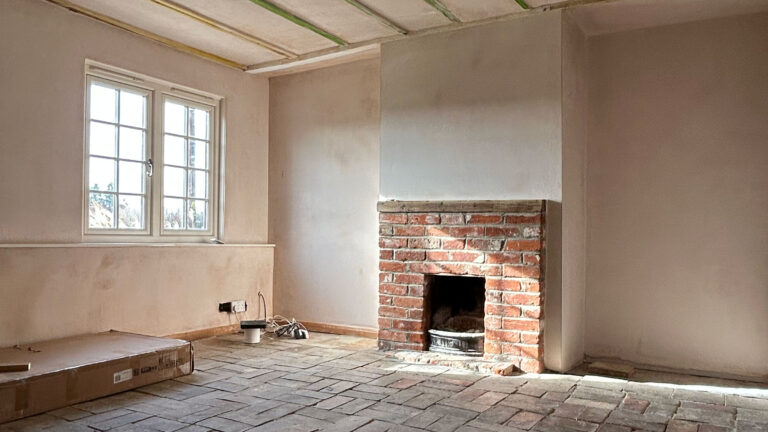
Most homeowners think about the obvious stuff when planning a renovation: flooring, fixtures, cabinet finishes. The electrical panel rarely makes the mood board. Yet it might be the single component that determines whether your remodel goes smoothly or stalls three weeks in, waiting on an electrician. The relationship between home upgrades and electrical capacity is one of the most consistently misunderstood dynamics in residential renovation. Not because the concept is complicated, but because the panel lives behind a metal door in a utility closet, easy to ignore until it isn’t. The Load Problem Nobody Plans For Modern households consume significantly more electricity than homes built even two decades ago. The rise of EV chargers, home offices, induction ranges, heat pump water heaters, and smart appliances has pushed demand on residential systems that were designed for a different era. A panel installed when a house was built in the 1990s was sized for the load of the 1990s. When a homeowner adds a kitchen island with dual ovens or converts a garage into a workout room with a mini-split and a sauna, those decisions carry electrical consequences. A 100-amp or 150-amp service that once handled daily demand comfortably can become a bottleneck fast. Circuits trip. Inspections fail. Work gets redone. Similar …

Common assault and battery charges in Minnesota involve allegations that a person intentionally caused fear of immediate bodily harm or …

Walk into someone’s bathroom and you’ll learn more about them than their living room ever reveals. The living room is curated — staged, even — for guests. The bathroom is where people are mostly themselves. It’s where mornings start and evenings wind down. It’s the one room no one plans to spend time in, yet does, every single day. That’s why what happens to a bathroom — whether it gets attention or gets ignored — says a lot about how a person relates to their own sense of comfort and self-care. The Room That Gets Skipped Last Most homeowners tackle visible spaces first. The kitchen gets the new countertops. The living room gets fresh paint. The guest bedroom gets refreshed before family visits. The bathroom is waiting. Part of this is logic. Bathrooms are expensive to remodel relative to their square footage, and the disruption to daily routine feels steep. But there’s also something psychological at work. People tend to invest in the space others will see rather than the spaces where they’ll spend the most private time. Research on home renovation consistently shows that bathroom updates deliver some of the highest returns at resale, yet they remain among the most delayed projects homeowners undertake. The gap between what’s sensible and what gets done reveals a lot about how people weigh daily comfort against eventual reward. Function Follows Feeling …

Cheerleading is a dynamic sport that combines athleticism, coordination, flexibility, and performance. Every routine involves jumps, tumbling, stunts, and synchronized …