
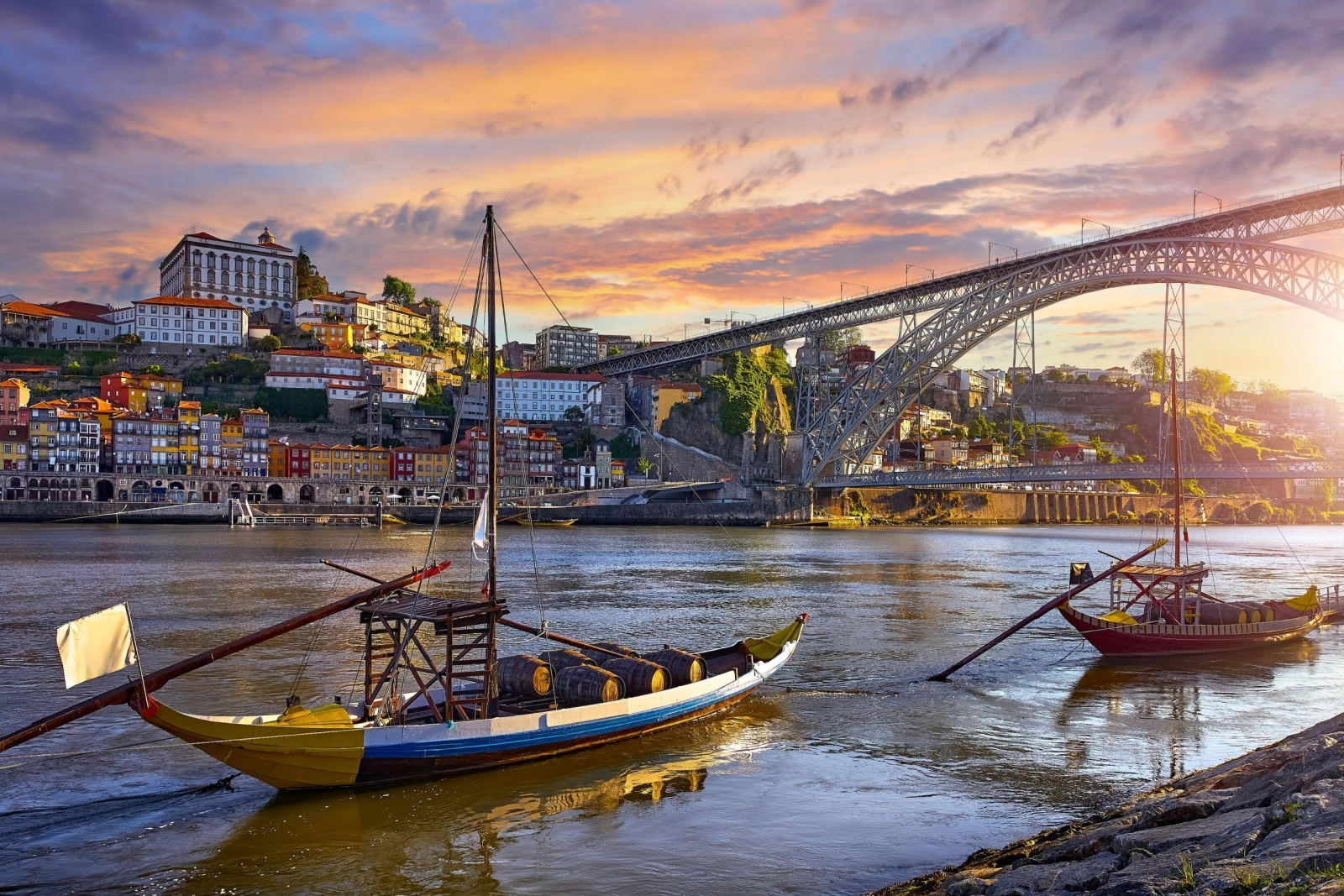
Northern Portugal is one of the easiest places in Europe to plan a short food vacation without turning the trip into a race. Porto gives you markets, old taverns, wine cellars, seafood access, and strong regional cooking. Matosinhos adds grilled fish by the Atlantic. Braga and Guimarães bring Minho food, old cafés, and sweets with long local roots. The Douro Valley adds wine, river views, and long lunches built around olive oil, meat, bread, and port.
The best way to travel here is not to chase every famous restaurant. Build the trip around daily food themes. Give Porto the first day. Give seafood a full day in Matosinhos and Foz. Spend one day in Braga and Guimarães for northern comfort food. Use the Douro Valley as the final meal of the trip, not just a photo stop.
This route works best over four days, but it can stretch to five if you want to sleep in the Douro. Porto should be the base for most travelers because trains, taxis, hotels, wine bars, and restaurants are easier there. Stay in Cedofeita for a quieter central base, Bonfim for good value and newer food spots, Ribeira for river views, or Vila Nova de Gaia if port wine is the main focus.
Porto Through Markets, Taverns, and Wine
Porto should not be treated as a city where you eat one francesinha and leave. It has a deeper rhythm. The best first day starts at Mercado do Bolhão, moves through old snack counters, pauses for coffee, and ends with a proper dinner. That route gives you the city in layers.
Start at Mercado do Bolhão in the morning. The restored market is clean and organized, but it still gives a good first look at what northern Portugal eats. Walk before buying. Look at the fruit stalls, fish counters, cheeses, smoked meats, olives, canned fish, and pastries. If you arrive hungry, keep breakfast simple. Order coffee and something small, then leave room for the rest of the day.
The market is also useful because it teaches you the vocabulary of the trip. You will see bacalhau, sardines, octopus, cured sausages, local cheeses, and tins of seafood. These items will return on menus all over the north. A food traveler should pay attention here, not just take photos.
After the market, walk toward Rua do Bonjardim and try a bifana at Conga. A bifana is a pork sandwich, but the Porto version has its own bite. The meat is thin, saucy, and often spicy. It is cheap, fast, and better eaten standing or sitting close to the counter. This is not a polished lunch. It is street-level in Porto.
Later, try a cachorrinho at Gazela. This small toasted hot dog with sausage, cheese, and spicy sauce has become famous, but it still works because it is simple and direct. Order one, share if needed, and move on. Porto rewards small stops more than heavy meals every three hours.
Francesinha deserves its place, but it needs the right timing. Treat it as lunch on a day when you can walk afterward. It is a sandwich filled with meat, covered with melted cheese, and served with a beer-based tomato sauce. Café Santiago and Brasão are common choices. Each has loyal fans. The mistake is ordering francesinha late at night after a full day of eating. It is too heavy for that.
Coffee matters in Porto, too. Stop at a classic café if you want a slower break, or choose a newer specialty coffee place in Cedofeita or Bonfim. A good food day needs gaps. Those gaps help you notice the city instead of just counting dishes.
Late afternoon belongs to wine. Cross to Vila Nova de Gaia and visit one port lodge, not three. Taylor’s, Graham’s, Sandeman, and Ferreira are well-known names. A first-time visitor should book one tasting and learn the difference between ruby, tawny, white port, and vintage port. White port with tonic is also worth trying before dinner. It is lighter, colder, and better suited to a warm afternoon.
Dinner should move away from snacks. Choose a tavern or a modern Portuguese restaurant that cooks with local ingredients. Taberna dos Mercadores, Adega São Nicolau, and Casa Guedes are strong examples for travelers who want Portuguese dishes without turning the night into a formal event. If you want something more polished, book ahead and look at Porto’s current fine dining options before the trip.
Order food that belongs to the region. Try tripas à moda do Porto if you want the city’s old working-class dish. Try octopus, cod, rojões, caldo verde, or grilled meats if they appear on the menu. Drink vinho verde when the meal is lighter, Douro red when the food is richer, and tawny port only after dessert.
Matosinhos, Grilled Fish, and the Atlantic
Matosinhos is the day when the trip becomes physical. You smell smoke from grills. You see fish on counters. You hear plates moving quickly in seafood restaurants. This is the best seafood stop near Porto, and it deserves most of a day.
Start at Mercado Municipal de Matosinhos. Go in the morning, when the fish counters still feel alive. You may see sea bass, sardines, octopus, turbot, clams, shrimp, squid, and other Atlantic catch depending on the season. Do not rush through. The point is to understand why Matosinhos is different from Porto’s historic center. Here, the ocean is not a decoration. It is the main supplier.
Some travelers like the idea of choosing seafood at the market and having it cooked nearby. If you do this, ask clearly how pricing and preparation work before you commit. It can be a great meal, but only if you understand the cost. Otherwise, use the market as a morning stop and eat lunch at a restaurant.
The classic lunch area is around Rua Heróis de França. This street and nearby blocks have several seafood restaurants with grills outside. Smoke rises from charcoal, and fish sits in display cases before it reaches the plate. Choose a place with steady local traffic and clear pricing. O Gaveto, Marisqueira de Matosinhos, Tito I, and A Marisqueira de Matosinhos are examples often considered by seafood-focused visitors.
Order grilled fish if you want the cleanest Matosinhos meal. Sardines work well in season. Sea bass, sea bream, turbot, or sole can be excellent when fresh. Add boiled potatoes, vegetables, salad, and vinho verde. Keep the meal simple. Heavy sauces are not the point here.
Seafood rice is another option, especially if the weather is cooler. Arroz de marisco can be generous and messy in the best way. It usually comes with shellfish, rice, broth, and deep seafood flavor. It is better for two people than one. Clams, garlic shrimp, percebes, or octopus salad can also work as starters.
After lunch, walk toward the beach. Praia de Matosinhos is wide and urban, with surfers, families, and a working-city feel. This is not a hidden beach, and it does not need to be. It gives the day breathing room after a seafood meal.
From there, move south toward Foz do Douro. You can walk part of the coast, take a taxi, or use public transport. Foz is where Porto meets the sea in a calmer way. Stop near Pérgola da Foz, Farol de Felgueiras, or one of the cafés facing the water. A light drink here feels better than forcing another large meal.
Dinner should be lighter unless you skipped lunch. Choose wine, small plates, soup, or a simple grilled dish back in Porto. This is also a good night for a wine bar. Look for Portuguese cheeses, smoked meats, sardine pâté, olives, and bread. The chairs, tables, and room matter after a long day of walking, and even simple spaces with sturdy coffee shop chairs can feel right when the wine list is honest and the staff knows the producers.
Braga and Guimarães for Minho Food and Old Sweets
Braga and Guimarães give the trip a different flavor. Porto is urban and Atlantic. Matosinhos is seafood. Douro is a wine country. Braga and Guimarães bring Minho comfort food, old cafés, religious history, and sweets that feel tied to convent kitchens and family recipes.
You can visit both in one day from Porto if you start early. Trains connect Porto with Braga and Guimarães, though doing both by train requires planning. A car gives more control. If you prefer a slower day, choose one city. For a food-first traveler, Braga in the morning and Guimarães in the afternoon works well.
Begin in Braga. The city has a historic center with cafés, churches, plazas, and old streets that suit a slow morning. Café A Brasileira is a useful stop for coffee and a pastry. It is not the only café in town, but it gives you a central pause and a sense of Braga’s public life.
Before lunch, visit Bom Jesus do Monte if you want one major non-food stop. The sanctuary and stairway sit above the city and give the day structure. Go before eating, not after. The climb and views feel better on an empty stomach.
Lunch in Braga should be local. Look for bacalhau, roasted meats, rojões, caldo verde, and vinho verde. Cozinha da Sé and Centurium are examples of places travelers may consider for Portuguese cooking in the center. Menus change, so the smarter habit is to check what is seasonal and what the kitchen recommends.
Bacalhau is not one dish. It is a whole category. You may see it baked, fried, shredded with potatoes, cooked with cream, or served with onions and olive oil. In northern Portugal, cod often appears as comfort food rather than a luxury item. Ask how it is prepared before ordering.
After lunch, go to Guimarães. The historic center is compact, attractive, and easy to enjoy without a strict plan. Largo da Oliveira is a natural place to start. Walk the old streets, stop for a drink, and look for local sweets before dinner.
Guimarães has several food angles. You can eat at a traditional restaurant, try a relaxed place such as Histórico by Papaboa, or choose a lighter vegetarian-leaning stop like Cor de Tangerina if you need a break from meat and fish. The point is not to turn every meal into the heaviest regional option. A few-day food trip needs balance.
The sweets deserve attention. Tortas de Guimarães are tied to the city and usually made with a rich filling that includes egg yolk and almonds. Toucinho do céu is another dense convent-style sweet made with egg yolks, sugar, and almonds. These desserts are intense, so share them. They pair well with espresso.
Return to Porto in the evening if you are using it as your base. Dinner can be small after a full day. Soup, a sandwich, or a wine bar plate is enough. If you still want a proper meal, choose something close to your hotel rather than crossing the city again.
This day matters because it prevents the article’s route from becoming a Porto-only guide. Northern Portugal has a small-city food culture, not just big-city restaurants. Braga and Guimarães show that through cafés, cod, sweets, and slower streets.
Day Four: Douro Valley, Wine, Olive Oil, and a Long Lunch
The Douro Valley should be the final major food day. It changes the pace. Instead of moving from counter to counter, you sit longer. You taste wine where grapes grow. You eat dishes that match hills, terraces, olive trees, and river roads.
Start early from Porto. The train to Peso da Régua or Pinhão is one of the most scenic ways to reach the valley. It follows the river for part of the route and removes the stress of driving after wine tastings. A car gives more freedom, especially if you want to visit specific quintas, but one person must stay sober and the roads require attention.
Do not overbook this day. One strong winery visit, one long lunch, and one short village walk beat three rushed tastings. The Douro is not a checklist. It is a place where time improves the meal.
Pinhão is a natural base for a day trip. The train station has azulejo tile panels showing wine harvest scenes, and the river sits close to the center. Quinta do Bomfim is a practical option near town for port and Douro wine tasting. Other well-known estates in the region include Quinta da Pacheca, Quinta do Seixo, and Quinta Nova. Book ahead, especially in busy months.
Lunch should be the anchor. Look for a quinta lunch or a restaurant with regional cooking. DOC by Rui Paula, between Régua and Pinhão, is a polished choice for travelers who want a more refined meal near the river. Castas e Pratos in Régua is another known option, set in a former railway warehouse. Winery lunches can also be excellent when they focus on local dishes instead of tasting-room snacks.
Order food that belongs to the valley. Roasted kid goat, posta, sausages, pork, river fish, potatoes, greens, bread, olive oil, almonds, and local cheeses all fit the day. Douro reds can be bold, but they make sense with meat. White wines from the region can be fresh and mineral. Port belongs at the end, not with every course.
Olive oil deserves attention in the Douro. Many visitors talk only about wine, but olive oil shapes the table. Taste it with bread before the meal. Notice whether it is grassy, peppery, or soft. That small detail can make the lunch feel rooted in the place.
After lunch, take a short river walk or a boat ride if the timing works. Do not add a boat just to fill space. If you are full and tired, sitting near the river with coffee may be better. The Douro works when you stop trying to extract too much from it.
If you have five days, sleep one night in the valley. Quinta da Pacheca, Six Senses Douro Valley, and smaller wine-house stays can turn the route into a slower vacation. With one overnight, you can watch the valley change in the evening and avoid the late return to Porto. With only four days, go back to Porto and keep dinner light.
Where to Stay, How to Book, and What to Skip
Porto is the smartest base for a first food trip in northern Portugal. It lets you reach Matosinhos quickly, take trains to Braga and Guimarães, and travel to the Douro without changing hotels every night. Choose a hotel based on how you eat.
Stay in Ribeira if river views matter and you do not mind crowds. Stay in Cedofeita if you want cafés, galleries, and a calmer central feel. Stay in Bonfim if you want better value and access to newer restaurants and bars. Stay in Vila Nova de Gaia if port lodges are a priority and you like looking back at Porto across the river.
A three-night version should focus on Porto, Matosinhos, and the Douro. Skip Braga and Guimarães unless you are willing to move fast. A four-night version should add Braga and Guimarães. A five-night version should include one night in the Douro Valley, especially if wine is the main reason for the trip.
Book some meals, but not all of them. Reserve dinner in Porto if the restaurant is small or popular. Reserve Douro tastings and winery lunches before arrival. Keep Matosinhos lunch somewhat open unless there is one seafood restaurant you really want. Markets and snack stops should stay loose.
Check opening days. Many restaurants close one day a week, often Sunday night or Monday, though it varies. Markets are better earlier in the day. Wineries require reservations more often than casual travelers expect. A food trip can fall apart when every planned stop is closed.
Avoid eating every famous dish in one day. Francesinha, bifana, cachorrinho, seafood rice, bacalhau, and port are all worth trying, but not within six hours. Spread them out. Northern Portuguese food can be rich, salty, and generous. The smart traveler leaves space.
Avoid riverfront menus that try to sell every Portuguese dish at once. Some places near major viewpoints survive on location, not cooking. A short menu is often a better sign than a long one translated into many languages. Look for places where the food has a clear identity.
Avoid treating port wine like a quick souvenir. Visit one lodge, ask questions, and taste slowly. Tawny, ruby, late bottled vintage, white port, and vintage port are different products with different uses. A bottle means more when you understand why you bought it.
Pack comfortable shoes and leave room in the schedule. Food travel in northern Portugal involves walking, hills, train stations, riverfronts, markets, and late meals. The best moments often happen between planned stops: a pastry before the train, a glass of vinho verde after a long walk, a bowl of soup when you thought you were not hungry.
The essential order list is simple. In Porto, try bifana, cachorrinho, francesinha, tripas, and port. In Matosinhos, eat grilled fish, clams, octopus, or seafood rice. In Braga and Guimarães, look for bacalhau, roasted meats, vinho verde, tortas de Guimarães, and toucinho do céu. In the Douro, focus on wine, olive oil, bread, roasted meats, cheeses, almonds, and port.
READ ALSO: The Average Settlement for a Fresno Motorcycle Accident Case
