
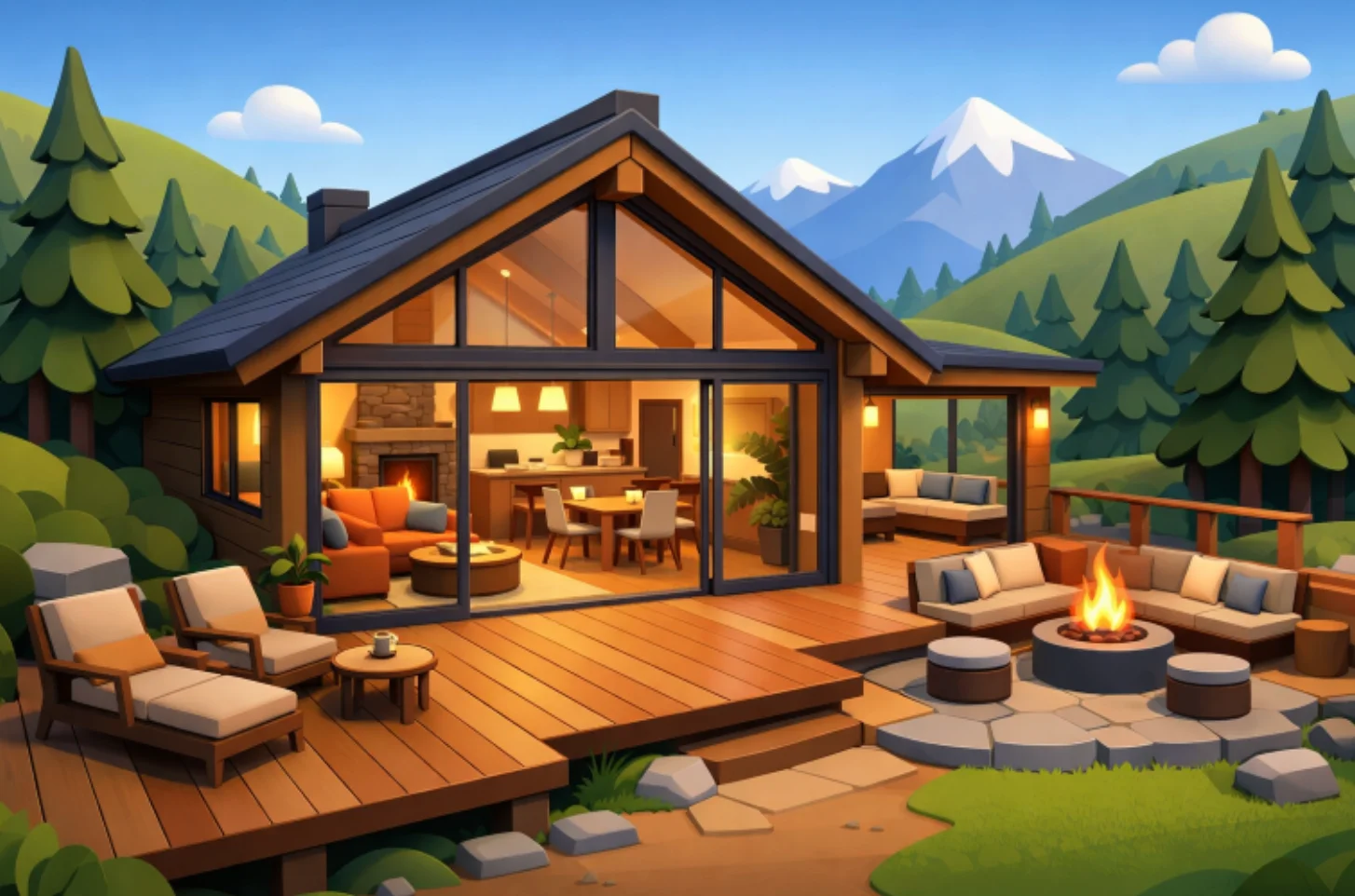
Designing a mountain home is not simply about creating a visually appealing space. It is about crafting a living environment that responds to the rugged terrain and distinct climate while meeting today’s homeowners’ expectations. Carefully considered floor plans increase both the functionality and the comfort of a home, ensuring that each area seamlessly connects with its natural surroundings and modern lifestyle needs. Whether looking for inspiration or ready to explore ready-made options, many buyers are drawn to the Deer Valley property for sale with curated amenities that exemplify how expertly planned floor layouts can transform mountain living. Choosing the right layout is critical. It should reflect both the environmental features and the practical necessities unique to mountainous locations. From intimate retreats carved into wooded hillsides to expansive estates with panoramic mountain vistas, the success of any mountain home starts with the floor plan, balancing privacy, functionality, and scenic beauty in equal measure.
Maximizing Space Efficiency and Adaptability
Every square foot of a mountain home matters, especially because buildable land is often at a premium. A well-designed floor plan will allocate space purposefully, reducing wasted areas and ensuring that each room serves multiple functions where possible. Adaptable spaces, such as home offices that can transform into guest rooms or living areas that double as exercise spaces, provide flexibility for families whose needs may change with the seasons or over the years.
Beyond mere efficiency, design adaptability becomes an asset over time. For example, mudrooms and entryways can be tailored to accommodate outdoor gear, making it easy to transition from mountain adventures to cozy indoor comfort. Storage solutions integrated within nooks and under staircases are excellent strategies for preserving open floor space without sacrificing utility. Creative approaches to multi-use spaces, like fold-away beds or sliding partition walls, allow a mountain home to evolve as family sizes and lifestyles shift. This forward-thinking design is essential not just for current needs but also for potential resale value, as future buyers will appreciate homes with versatile, practical layouts. Smartly situated utility rooms, pantries, or hobby corners can also enhance everyday living. Positioning these areas close to main traffic zones while keeping them discreetly out of sight contributes to a tidier, more organized overall aesthetic. As mountain communities continue to embrace remote work and flexible schooling, the ability to reimagine spaces accordingly will remain a top selling point for property seekers in these picturesque regions.
Embracing Open-Concept Layouts
Modern mountain homes often embrace open-concept floor plans to foster a greater sense of flow and connection throughout the main living areas. By minimizing barriers between the kitchen, dining, and living rooms, homeowners can create a space that feels larger and more welcoming. This design approach also maximizes natural light, which is a key asset in regions where daylight may be limited during certain times of the year. Open layouts make it easier for families and guests to gather, entertain, and enjoy the scenic beauty outside their windows.
The open-concept design not only improves the physical connection between rooms, but also the emotional connection among family members and guests. Gathering spaces become truly central to the home, fostering communication and shared experiences. Moreover, open-concept plans allow designers to play with sightlines, placing focal points such as fireplaces or picture windows to draw attention to key architectural or natural features. Thoughtful lighting plans, pairing large windows with layered artificial lighting, help keep the space bright and inviting year-round. For mountain homes built for entertaining, the open concept is almost essential, seamlessly linking indoor spaces to outdoor patios, decks, or fire pits for year-round enjoyment.
Integrating with the Natural Environment
One of the most compelling aspects of any mountain property is its connection to the landscape. A thoughtful floor plan will use the site’s unique qualities to its advantage, such as orienting major living areas toward breathtaking views. Large windows, sliding glass doors, and expansive decks can blur the boundaries between indoors and outdoors, creating a sense of unity with nature. Bringing in materials like locally sourced timber or stone further grounds the home in its environment.
Designers often recommend using landscaping and hardscaping that complement the natural terrain rather than compete with it. Terraced gardens, natural stone pathways, and the preservation of mature trees promote a feeling of harmony with the mountain setting. Additionally, homes that capitalize on seasonal changes, such as strategically positioned outdoor fireplaces or all-weather rooms, provide year-round opportunities to appreciate the outdoors. Strategic use of outdoor living spaces, such as wraparound decks, balconies, or screened porches, invites residents to immerse themselves in the sights, sounds, and scents of mountain life, all while staying protected from the elements. Ultimately, integrating the landscape isn’t just about aesthetics; it’s about forging a lasting bond with the location and enhancing overall wellbeing for homeowners and their guests.
Prioritizing Energy Efficiency
Homes in mountainous regions can experience extreme temperatures and challenging weather, so energy efficiency should be a defining feature of the floor plan. Strategic window placement not only takes advantage of solar gain but also minimizes heat loss during colder months. High-quality insulation, energy-efficient appliances, and environmentally friendly HVAC solutions are smart investments for both comfort and long-term savings. Passive design principles, such as thermal-mass flooring or earth-sheltered walls, can further stabilize indoor temperatures with minimal reliance on mechanical systems. Sustainable design elements also appeal to eco-conscious buyers and can increase the property’s overall value. The longevity and durability of a mountain home depend on its ability to withstand the harshest of weather while remaining comfortable and efficient. Double- or triple-pane windows, roof overhangs that shield from snow buildup, and well-sealed building envelopes become crucial for minimizing energy waste. Many mountain homeowners are now investing in alternative energy sources, such as solar panels or geothermal systems, to reduce their carbon footprint further and increase resilience to power outages. Additionally, innovative smart-home technologies allow residents to monitor and control energy use remotely, ensuring systems operate optimally even when the home is vacant. Taken together, these energy-saving measures not only benefit individual homeowners but also contribute to the broader stewardship of fragile mountain ecosystems.
Conclusion
The most successful mountain homes are those designed with a holistic view, balancing the demands of daily living with the beauty and challenges of the setting. By starting with a thoughtful floor plan, homeowners can ensure their property remains comfortable, energy-efficient, and visually integrated with its landscape for years to come. Whether you are building from scratch or updating an existing structure, prioritizing space efficiency, open living, environmental integration, and sustainability will lead to a home that truly harmonizes with the mountain environment.
Ultimately, the journey to designing an ideal mountain home is about more than structure, as it’s about creating a sanctuary that nurtures, inspires, and endures. For those seeking not just shelter but an experience of place, a floor plan tailored to the unique rhythms and splendors of mountain living is the crucial first step. With advances in architectural design and an increasing emphasis on sustainability, mountain homes now offer the perfect blend of innovation, comfort, and timeless appeal for generations to come. As you explore your options, keep these guiding principles in mind to ensure a home that is both enduring and extraordinary, capable of adapting to whatever the majestic landscape may bring.

Sarah Wilson is a versatile writer who covers a wide range of topics, with a strong specialty in entertainment. She delivers engaging, insightful content focused on movies, celebrities, trends, and pop culture.