
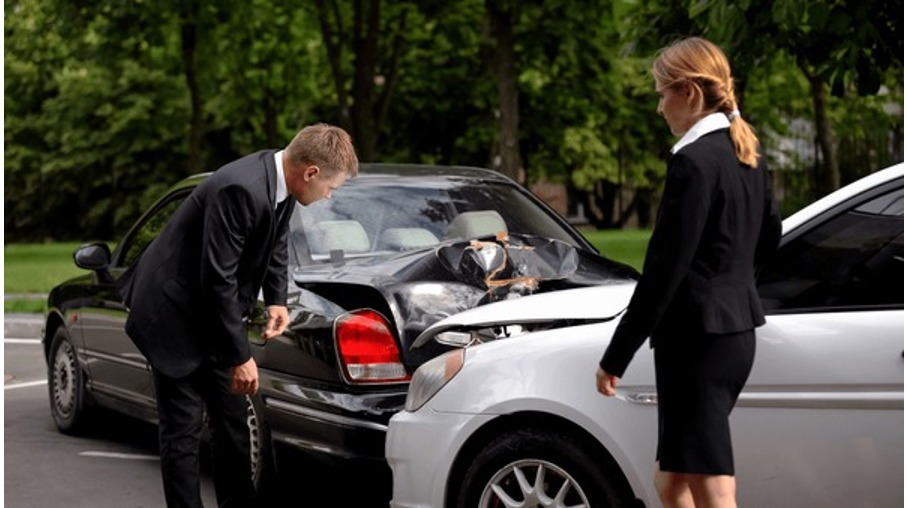
Liability in a car accident case is proven by demonstrating that a driver’s negligence caused the collision and resulted in damages to another person. This is typically established through evidence such as police reports, witness statements, photographs, videos, expert testimony, and medical records.
After a crash, many victims seek help from a car accident lawyer to understand their legal options and gather the evidence needed to support their claim. While some accidents involve obvious fault, others can become complicated when multiple parties provide conflicting accounts of what happened.
This article explains the key factors used to prove liability in car accident cases and the types of evidence that can strengthen a claim.
Understanding Liability in Car Accident Cases
Liability refers to legal responsibility for an accident. In most car accident claims, liability is based on negligence. Negligence occurs when a driver fails to act with reasonable care and causes harm to another person.
Common examples of negligent driving include:
- Speeding
- Distracted driving
- Driving under the influence
- Running red lights or stop signs
- Following another vehicle too closely
- Failing to yield the right of way
To hold a driver liable, the injured party must prove that the driver’s negligent actions directly caused the accident and resulting damages.
The Four Elements Required to Prove Negligence
Duty of Care
Every driver has a legal duty to operate their vehicle safely and follow traffic laws. This duty exists to protect other motorists, passengers, cyclists, and pedestrians on the road.
Breach of Duty
A breach occurs when a driver fails to meet the required standard of care. For example, texting while driving or ignoring a traffic signal may be considered a breach of duty.
Causation
The injured party must show that the driver’s actions directly caused the accident. Simply proving that a driver acted carelessly is not enough. There must be a clear connection between the negligent behavior and the collision.
Damages
Finally, the victim must demonstrate actual losses resulting from the accident. These may include medical expenses, lost wages, vehicle repair costs, pain and suffering, and other financial damages.
Important Evidence Used to Establish Liability
Police Reports
Police reports often serve as a starting point when determining fault. Officers document important information from the accident scene, including statements from drivers, witness accounts, road conditions, and any traffic violations.
Witness Statements
Independent witnesses can provide valuable insight into how the accident occurred. Their testimony may support the injured party’s version of events and help clarify disputed facts.
Photographs and Video Evidence
Photos and videos can provide powerful evidence in a liability claim. Images showing vehicle damage, skid marks, road conditions, traffic signals, and injuries can help establish what happened before and after the collision.
Dashboard camera footage, surveillance recordings, and traffic camera videos may also provide direct proof of fault.
Medical Records
Medical documentation helps connect injuries to the accident. These records can demonstrate the severity of injuries and support claims for compensation.
The Role of Traffic Laws in Determining Fault
Traffic law violations often play a significant role in proving liability. When a driver violates a safety law and causes an accident, that violation may serve as evidence of negligence.
For example, under California Vehicle Code § 21453, drivers must stop at a steady red traffic signal. If a driver runs a red light and causes a collision, that violation can be used as evidence to establish fault.
Accident Reconstruction Experts
In complex cases, accident reconstruction specialists may be brought in to analyze the collision. These experts examine vehicle damage, road conditions, skid marks, and other physical evidence to determine how the accident occurred.
Their findings can help insurance companies, attorneys, and courts understand disputed aspects of the crash.
Comparative Negligence and Shared Fault
Not every accident is caused by one driver alone. In some cases, multiple parties may share responsibility for a collision.
Many states follow comparative negligence rules, which allow compensation to be reduced based on the injured party’s percentage of fault. For example, if a driver is found to be 20% responsible for an accident, their compensation may be reduced by that percentage.
How Legal Representation Can Help
Proving liability often requires a detailed investigation and strong supporting evidence. A car accident lawyer can help collect records, interview witnesses, work with experts, negotiate with insurance companies, and build a persuasive case.
Legal representation can be particularly valuable when liability is disputed or when
Building a Strong Liability Claim
Determining liability after a car accident requires more than showing that a collision occurred. Evidence such as police reports, witness statements, photographs, medical records, and expert analysis may all play a role in establishing how the crash happened and who was responsible. Because every case involves different facts, understanding the legal principles that apply can help injured individuals evaluate their options and pursue a well-supported claim.

At Engrnewswire, we are passionate about helping brands grow through smart SEO, GEO, and AEO strategies, supported by High-quality backlinks. With over 2k+ contributor accounts worldwide. We ensure your content reaches the right audience while building lasting authority.