
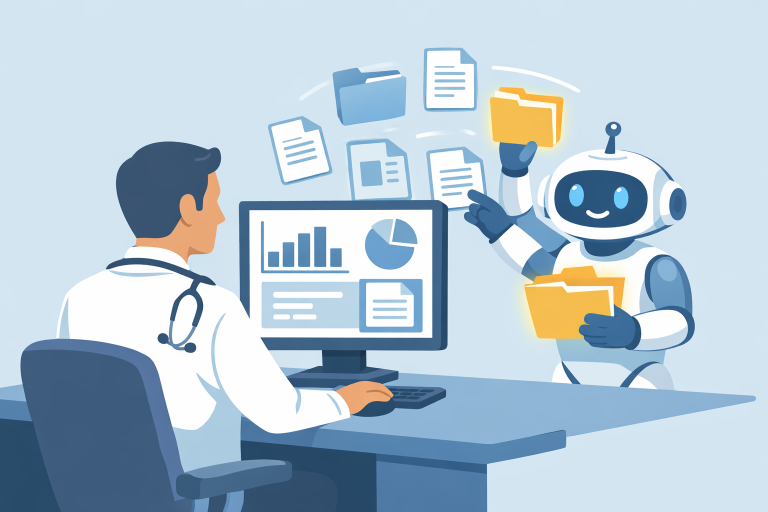
The healthcare sector is being reshaped by digital innovation, with Artificial Intelligence (AI) at the forefront, especially in the realm of medical documentation. Medical record reviews, which are critical for effective patient care, compliance, and research, are benefiting significantly from AI-driven tools. Harnessing AI for clinical and administrative tasks is allowing health professionals to streamline their workflows and increase the consistency of medical data analysis. Many organizations now rely on a medical record review service powered by AI technologies to reduce manual workloads and support clinical decision-making.
As the need for accuracy in medical documentation grows, AI offers the promise of not only expediting reviews but also uncovering insights that may otherwise be overlooked. These systems utilize advanced algorithms to scan, extract, and synthesize data, relieving clinicians from repetitive administrative burdens and allowing them to dedicate more time to patient care. The integration of these digital solutions marks a transformative step in healthcare delivery, making the promise of high-quality, efficient care more attainable than ever before.
Despite the immense potential of AI in this context, successful adoption comes with various considerations, including ethical, legal, and regulatory factors. The use of machine learning models must be scrutinized for data privacy, security, and transparency to ensure the highest standards of trust and compliance. Health systems must also invest in both infrastructure and human training to leverage the full benefits of these sophisticated technologies.
In recent years, the combination of regulatory pressure and rising volumes of health data has spurred major advancements in the intelligent automation of health records. Implementing AI solutions has shown measurable benefits for both clinicians and patients, presenting a substantial opportunity for improvement across various care and administrative settings.
Understanding AI in Medical Record Reviews
AI in medical record reviews refers to the application of algorithms and computational models, such as natural language processing (NLP) and machine learning, to analyze and summarize large volumes of clinical information. By transforming raw data into actionable insights, AI assists with coding diagnoses, identifying gaps in care, and prioritizing records that require immediate attention. Through deep learning and continuous model updates, these systems can sift through both structured and unstructured data, capturing details that manual reviewers may miss. This not only increases productivity but also enhances the quality of care by supporting timely interventions.
Benefits of AI Integration
- Efficiency: AI significantly accelerates the review process, quickly flagging relevant details and reducing the time traditionally spent on manual checks.
- Accuracy: Algorithm-driven analysis minimizes the risk of oversight or human error, ensuring more consistent and reliable documentation across patient files.
- Cost-Effectiveness: Automated workflows free up valuable resources, driving down operational costs and maximizing the efficiency of clinical and administrative staff.
As AI matures, its diagnostic and predictive capabilities are expanding. For example, some tools can proactively warn clinicians of possible adverse drug interactions or help identify patients at risk for certain complications. These advances are transforming records analysis from a retrospective review process to a dynamic, preventive approach to clinical decision-making. For an authoritative overview on the influence of these technologies, the U.S. Health IT website provides extensive guides on how AI is being embedded throughout healthcare systems.
Challenges and Considerations
- Data Privacy: Maintaining patient privacy and confidentiality in line with health information regulations is paramount when outsourcing data for AI review. Any lapses could result in serious legal and ethical consequences.
- Training and Adaptation: Health professionals must receive adequate training to interpret and act upon AI-generated recommendations. Bridging the gap between technical innovation and clinical application requires ongoing investment in education.
- Regulatory Compliance: It is essential to align with local and national laws governing electronic health records and AI adoption in healthcare, such as HIPAA or GDPR. Institutions need to demonstrate transparency in algorithm selection, validation, and oversight.
Beyond these key points, there are broader concerns around the “black box” nature of AI models, where decision-making processes may be difficult to interpret even for experienced clinicians. Collaboration between IT teams, legal advisors, and healthcare practitioners is vital for responsible implementation and patient safety.
Real-World Applications
Hospitals and clinics worldwide are seeing firsthand the substantial benefits AI brings to medical record reviews. According to research published in JAMA and reported by Healthcare Dive, clinicians equipped with AI-powered scribe tools reported an average reduction in electronic health record (EHR) documentation time by approximately 13 minutes per day. This increase in efficiency not only helps prevent burnout among medical professionals but also improves patient throughput and satisfaction.
Other notable examples include AI platforms that assist with clinical trial recruitment by scanning records to identify eligible patients, and automated systems that flag insurance claims for review, reducing delays and disputes. As adoption grows, these solutions are expected to become integral to the healthcare process, making medical record reviews faster, safer, and more effective.
Future Prospects
The advent of advanced AI models is likely to further transform the landscape of medical record reviews in the coming years. Next-generation tools are expected to bring even greater accuracy, facilitating deeper insights into population health, facilitating early intervention, and supporting predictive analytics. As more health organizations embrace AI, collaboration between technology providers, researchers, and clinicians will shape how these tools are implemented for maximum benefit.
With continuous improvements in algorithm transparency and adaptability, and with a stronger focus on user-friendly software design, AI will continue to break new ground in medical data management. Decision support, risk prediction, and automated error correction are just a few areas set for dramatic advancements.
Conclusion
AI-powered medical record reviews represent a paradigm shift in how healthcare documentation is handled. They deliver significant improvements in efficiency, accuracy, and cost-effectiveness while allowing healthcare professionals to better focus on patient care. Although some hurdles persist regarding privacy, compliance, and education, the transformative impact of AI in healthcare documentation is undeniable and is likely to become an essential part of healthcare systems in the years ahead.
