
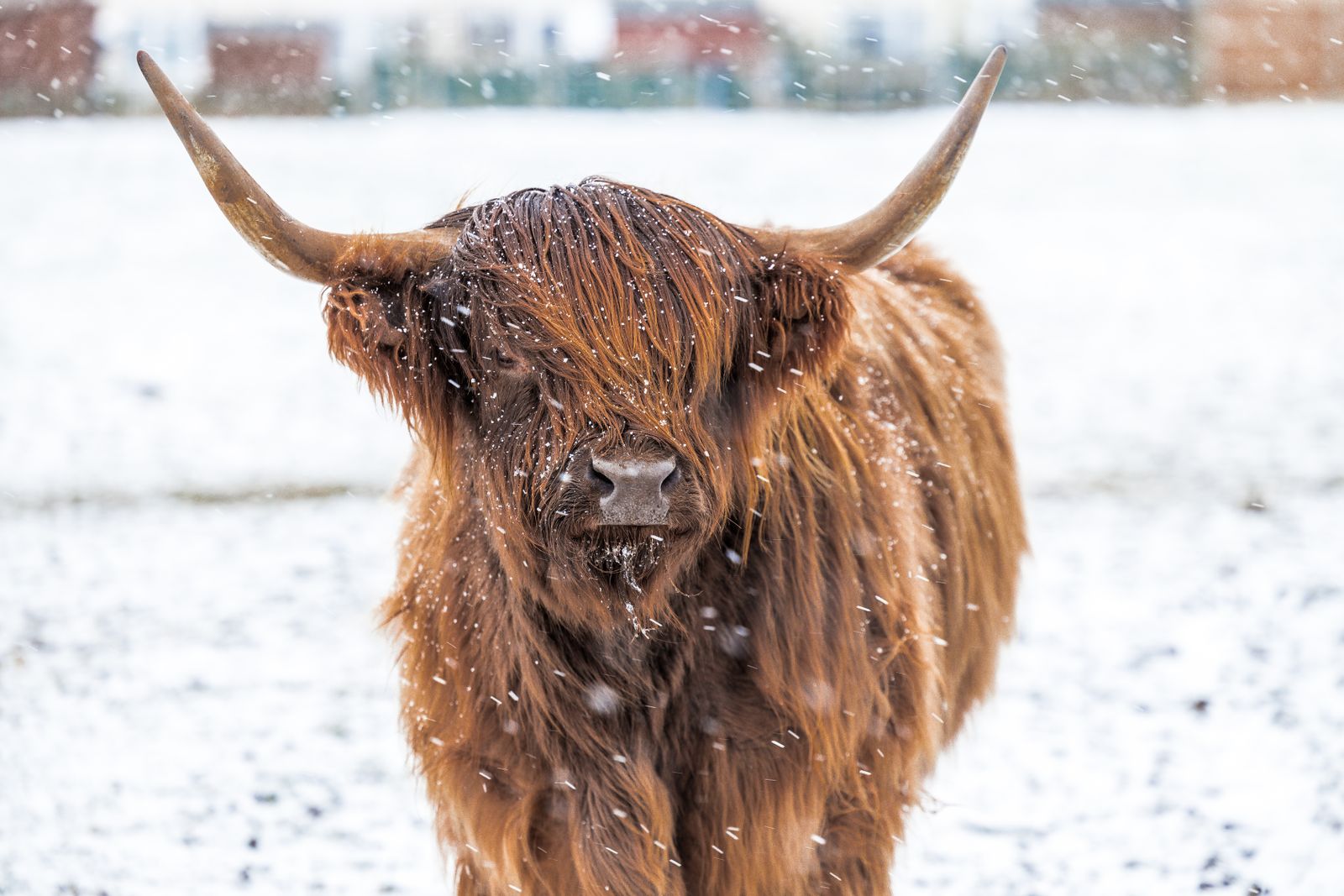
A Highland cow typically costs between about $1,000 and $5,000 in the United States, depending on age, sex, registration and bloodlines. Unregistered calves and steers sit at the low end. Registered, bred heifers and cows with strong pedigrees cost more, and show-quality animals can pass $10,000. Miniature Highlands, which are in high demand because of their popularity online, can cost as much as or more than a full-size adult.
The purchase price is only the beginning. Fencing, shelter, hay, veterinary care, hoof and horn management, transport and registration all add to the yearly cost. This guide breaks down the numbers, explains what drives prices, and helps you decide whether a Highland is a realistic fit for your land and budget. Figures vary by region and seller, and the sources we reviewed disagree at the margins, so treat all prices as ranges.
Typical Highland Cow Prices
Different guides give different ranges, which reflects how local and variable the market is. A veterinary-reviewed pricing guide describes a wide spread, saying prices run from a couple of thousand dollars to well over $50,000 in exceptional cases, while more conservative guides quote $1,000 to $5,000 for typical purchases. The table below combines the ranges we found and should be read as a rough guide only.
| Type of animal | Typical price range (USD) | Notes |
|---|---|---|
| Unregistered calf or yearling | $800 to $2,000 | Lowest cost, unknown lineage |
| Registered calf or heifer | $1,500 to $3,500 | Papers and pedigree raise the price |
| Mature registered cow | $2,500 to $5,000 | One vet-cost site lists Highland cows at $2,500 to $5,000 |
| Bred heifer or proven breeder | $3,000 to $8,000+ | Includes breeding value |
| Bull | $2,000 to $8,000+ | Depends on genetics and temperament |
| Miniature Highland | $1,000 to $6,000+ | Sometimes more than full size |
| Show or champion bloodline | $10,000 and up | Rare, auction-driven |
Color can also affect value. Rarer shades such as white, silver, dun and black may command a premium in some markets, though color alone does not make an animal a better breeder or easier keeper.
What Drives the Price
- Age. Calves are cheaper to buy but need more attention and take years to reach breeding or market age.
- Sex and breeding status. Bred heifers and proven cows cost more than steers, which are castrated males kept for meat or as pets.
- Registration and pedigree. Papers from a breed association prove lineage and increase value.
- Size. Mini Highlands are bred to be smaller. Their price reflects demand and limited supply.
- Temperament and handling. A gentle, halter-trained animal costs more than a wild one.
- Location. Prices vary by state, and transport can add several hundred dollars.
- Seller type. Auctions, private breeders and hobby farms price differently.
Ongoing Costs of Keeping a Highland Cow
Highlands are hardy, but they are still large livestock. Budget for the full year, not just the purchase.
| Expense | Rough annual estimate |
|---|---|
| Feed and hay | About $600 to $1,200 (one site estimates roughly $860 a year, or about $75 a month) |
| Veterinary care, vaccines and deworming | $150 to $500 |
| Hoof trimming and horn care | $50 to $200 |
| Fencing and water systems | One-time cost, often $1,000+ |
| Shelter or windbreak | One-time cost, varies widely |
| Registration and insurance | $50 to $300 |
| Transport on purchase | $200 to $1,200 |
A key advantage is that Highlands do well on rough pasture and need less grain than many beef breeds, so they can lower feed costs if you have enough grazing land. But pasture quality matters. Overgrazed or poor ground means buying more hay, which can erase the savings.
Land and Legal Requirements
Before you buy, check your property and local rules:
- Acreage. A common rule of thumb is a minimum of one to two acres per animal on good pasture, though your region’s grass growth matters.
- Zoning. Many residential areas forbid livestock. Confirm with your county or municipality.
- Fencing. Sturdy perimeter fencing is essential, and electric fencing helps with larger animals.
- Water and shelter. Provide clean water year-round and a windbreak or shed.
- Company. Cattle are herd animals, so plan to keep at least two.
- Vet access. Make sure a large-animal vet serves your area.
If you are still deciding whether rural land suits you, our guides on tree care for homeowners and managing water on a working site may help you think through property upkeep.
Where to Buy and What to Check
- Start with breed associations. Registries list member breeders and show standards.
- Visit the farm. Look at the herd, pasture, handling facilities and the parents of the animal you want.
- Ask for papers and health records. Request registration documents, vaccination history and testing results.
- Check the animal’s condition. Look for clear eyes, a good coat, sound feet and a calm temperament.
- Get everything in writing. Include price, deposit, delivery terms and any health guarantee.
- Be wary of viral hype. Mini Highland demand has led some sellers to advertise inflated prices or unverified “miniature” claims.
Red Flags When Shopping
- A seller who will not let you see the animal’s parents or the pasture where it was raised.
- Prices far below the local market, which may signal health, temperament or paperwork problems.
- Miniature claims with no registry or measurement records to support them.
- Pressure to pay a large deposit by an untraceable method before you have seen the animal.
- No written bill of sale or health documentation.
Trust your instincts, and walk away if details do not add up. There are plenty of reputable breeders who welcome questions and visits.
Pet, Meat or Breeding: Does It Change the Price?
Your purpose affects what you should pay. A steer kept as a pasture companion needs no pedigree, so an unregistered animal is sensible. A breeding programme justifies paying more for registered stock with strong genetics. If you want beef, Highland meat is known for being lean and flavourful, but animals mature more slowly than commercial breeds, so economics depend on your market and processing costs. Be honest about your goal before you shop, because paying for traits you will not use wastes money.
Some owners also earn income from farm tours, photography sessions or agritourism, though these activities require insurance and local permits. Do not count on that income when working out whether you can afford the animal.
Sample First-Year Budget
To see how the numbers fit together, imagine a small hobby farm buying two registered heifers to graze existing pasture. The figures below are illustrative only and use the middle of the ranges above.
| Item | Estimated cost |
|---|---|
| Two registered heifers at about $2,500 each | $5,000 |
| Delivery | $600 |
| Feed and hay for the year | $1,500 |
| Veterinary care, vaccines and deworming | $600 |
| Fencing upgrade and water trough | $1,500 |
| Mineral supplements, ear tags and supplies | $300 |
| Estimated first-year total | About $9,500 |
In later years, the one-time purchase, delivery and fencing costs fall away, leaving feed, veterinary care and supplies. A farm with strong pasture can run well below this budget, while one that must buy hay for much of the year can run well above it.
Money-Saving Tips for Buyers
- Buy in the off-season. Auctions and private sales often have lower prices outside spring and summer, when demand rises.
- Consider unregistered stock. If you do not plan to breed or show, papers add cost without adding enjoyment.
- Buy locally. Shorter delivery distances save money and reduce stress on the animals.
- Look at steers. Castrated males are typically cheaper and well suited to pasture companionship.
- Join a breed association. Members often hear about animals for sale before they are widely advertised.
- Bundle purchases. Buying two animals from one breeder may reduce delivery costs and gives each a companion.
Do not trade away health for price. A cheap animal with foot problems, parasites or a poor temperament may cost more in treatment than a healthy one costs to buy. Ask a large-animal veterinarian to examine any animal before purchase if possible.
Frequently Asked Questions
How much does a Highland cow cost?
Most guides put typical prices between $1,000 and $5,000, with unregistered animals at the low end and registered breeding stock or show-quality animals higher.
How much does a mini Highland cow cost?
Prices range widely, from roughly $1,000 to $6,000 or more. Demand is high, and some miniatures cost as much as full-size adults.
How much does it cost to feed a Highland cow?
One estimate puts feed at about $860 a year, or about $75 a month, but real costs depend on pasture quality, winter length and hay prices in your area.
How much land does a Highland cow need?
Plan on at least one to two acres of decent pasture per animal, plus extra for rotation. Poor pasture or dry regions require more land or more purchased feed.
Are Highland cows good pets?
Many are calm and friendly when handled early, but they are large animals with horns and need proper fencing, vet care and company of their own kind.
Can I keep a Highland cow in my backyard?
Almost never. Cattle need acreage, and most residential zoning prohibits them. Check local regulations before you buy.
Conclusion
Budget between $1,000 and $5,000 for a typical Highland, more for registered breeders and minis, and plan on several hundred to a few thousand dollars a year to keep one properly. Check zoning, fencing and vet access first, buy from a reputable breeder with papers, and match the animal to your real purpose.

Sarah Wilson is a versatile writer who covers a wide range of topics, with a strong specialty in entertainment. She delivers engaging, insightful content focused on movies, celebrities, trends, and pop culture.