
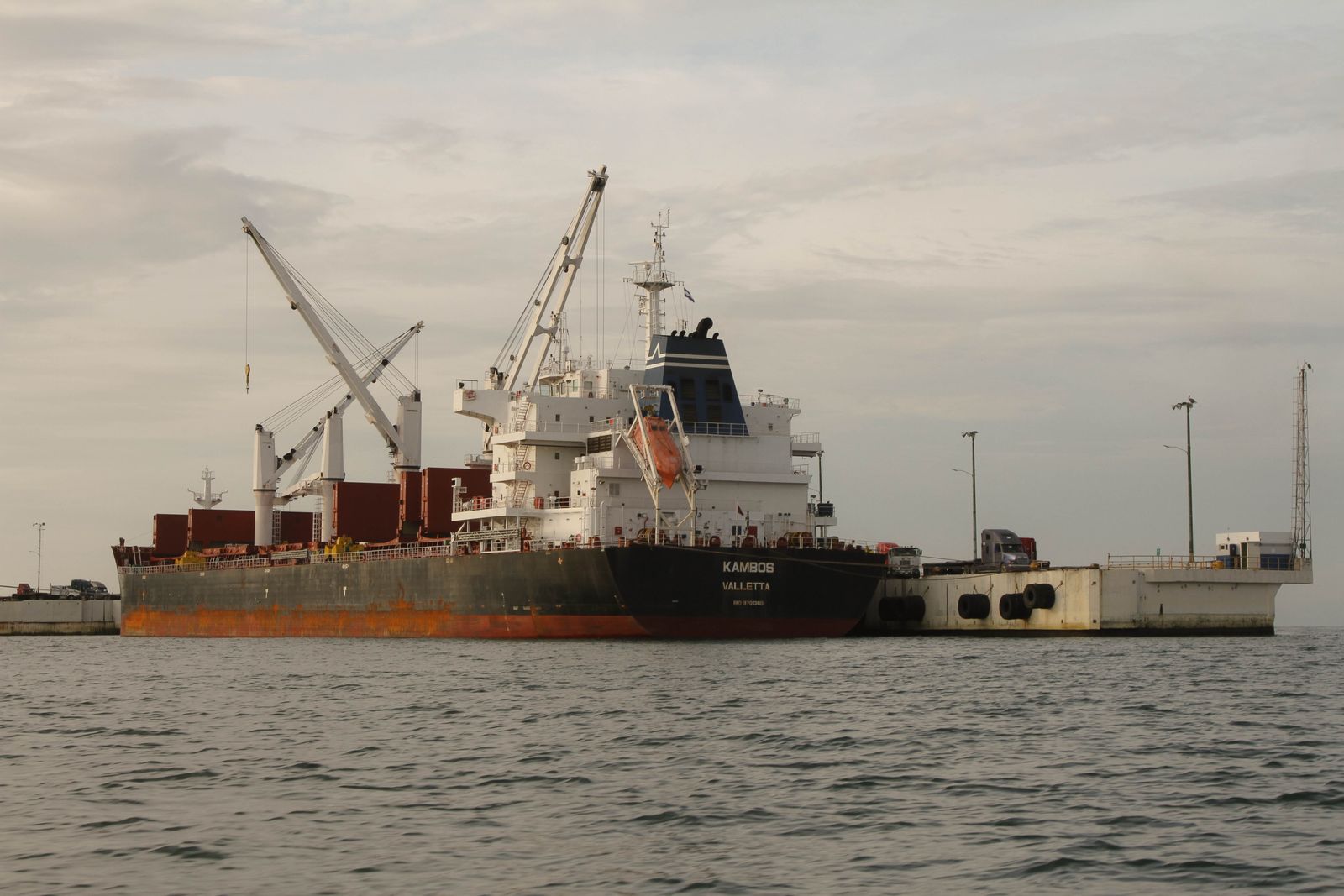
Shipping bulk cargo from Turkey to Italy is usually done by sea, using dry bulk vessels chartered through a freight forwarder or a ship broker. Typical routes run from Turkish ports such as Aliaga, Iskenderun, Mersin and Izmit to Italian ports such as Genoa, La Spezia, Ravenna, Taranto and Trieste. A good forwarder handles vessel selection, documentation, customs and insurance, and can compare sea, road and rail options for your cargo.
This guide explains how the trade lane works, how to choose a forwarder, what documents are required, what drives cost and transit time, and how to avoid common mistakes. Rates and schedules change constantly, so use this as a planning framework and ask forwarders for live quotes.
Why This Trade Lane Matters
Turkey and Italy are significant trading partners. One logistics guide notes that Italy is Turkey’s fourth largest trade partner, with diplomatic ties going back to 1856. Cargo moves between the two countries in both directions, including steel products, minerals, agricultural goods, building materials, chemicals and manufactured parts.
The geography helps. Turkey’s Aegean and Mediterranean coasts face Italy across the central Mediterranean, so sea voyages are relatively short compared with intercontinental routes. Road and rail connections through the Balkans also exist, but bulk commodities normally favour ships.
What Counts as Bulk Cargo?
Bulk cargo is unpackaged commodity cargo loaded loose into a ship’s holds or stored in tanks. The main categories are:
- Dry bulk. Grain, coal, ores, cement, fertiliser, sand, aggregates, scrap metal and similar loose goods.
- Break-bulk and project cargo. Steel coils, pipes, machinery and oversized items that are neither containerised nor loose.
- Liquid bulk. Oils, chemicals and similar products carried in tankers.
- Containerised bulk. Smaller lots of bulk materials in bags or tank containers, shipped in standard containers.
The right option depends on volume. For a few hundred tonnes, containers or break-bulk may be more economical. For thousands of tonnes, chartering a bulk carrier makes sense.
Transport Options Compared
| Mode | Best for | Typical advantages | Limitations |
|---|---|---|---|
| Sea (bulk carrier) | Large volumes of commodities | Lowest cost per tonne | Port handling, scheduling and weather |
| Sea (container or ro-ro) | Smaller lots, packaged bulk | Regular schedules | Higher cost per tonne than a bulk charter |
| Rail | Mid-sized shipments | One guide says transit is about 10 to 15 days and it is more environmentally friendly than road | Fewer routes, transfers between networks |
| Road (truck) | Time-sensitive loads | Door-to-door flexibility | Higher cost, border and weight limits |
| Air | High-value urgent items | Fastest | Rarely suitable for bulk |
Transit times depend on route and mode. A route planner indicates container ship transits of just over a day and a half on a short Turkey to Italy crossing, with schedules running several times a week, while a freight guide says that ocean freight on the lane usually takes two to three weeks door to door once loading, sailing and unloading are included. These are not contradictory because they measure different things, so ask your forwarder what a quote includes.
Major Ports on Both Sides
Turkish ports
Aliaga near Izmir is a major hub for industrial and commercial cargo. Iskenderun handles dry bulk, general cargo and liquid cargo, and ship agents there service vessels from coasters to Panamax. Other widely used ports include Mersin, Izmit, Gebze, Derince, Tekirdag and Samsun. Check which berth can handle your commodity and vessel size, as terminals specialise.
Italian ports
Genoa and La Spezia are big northwestern gateways. Ravenna and Trieste serve the Adriatic and northern industry, while Taranto and others handle steel and bulk in the south. A freight directory lists La Spezia as a key commercial port handling containers, dry bulk and liquid bulk. Choose the Italian port closest to your consignee to reduce inland haulage.
How to Choose a Freight Forwarder
- Check bulk experience. Many forwarders focus on containers. Ask for examples of similar bulk or break-bulk moves.
- Ask about networks. A forwarder with agents in both countries can solve problems faster at ports and customs.
- Confirm licences and memberships. Look for recognised trade associations and valid insurance.
- Compare quotes line by line. Insist on itemised pricing that covers freight, port charges, handling, documentation and insurance.
- Test responsiveness. Slow or vague answers before booking usually mean slower answers during a problem.
- Ask about contingency plans. What happens if a vessel is delayed, a berth is full or cargo is rejected?
- Read the terms. Understand liability limits, demurrage and detention charges, and payment terms.
Online marketplaces and directories list forwarders in Turkey and Italy and offer quote tools. Use them to build a shortlist, then verify the details directly. Logistics planning shares much with other operational decisions, as discussed in our pieces on trends shaping the trucking industry and maximising revenue through cloud-based solutions.
Documents You Will Typically Need
- Commercial invoice and packing list
- Bill of lading or charter party documents
- Certificate of origin and, where applicable, EUR.1 or other preferential origin proof
- Export declaration from Turkey and import declaration in the EU
- Phytosanitary, veterinary or quality certificates for regulated goods
- Cargo insurance certificate
- Safety data sheets for chemicals or hazardous goods
Customs rules between Turkey and the EU are detailed and depend on the product. Confirm tariff codes, duty rates, quotas and any anti-dumping measures with your forwarder or a customs broker before shipment, because errors can cause costly delays.
What Drives the Cost
- Volume and vessel size. Larger parcels and bigger vessels reduce cost per tonne.
- Commodity. Dusty, hazardous or damage-prone cargo needs special handling.
- Port and berth fees. Congestion and loading speed affect costs.
- Fuel and market conditions. Charter rates move with demand and supply of ships.
- Season. Harvest periods and construction peaks tighten capacity.
- Insurance and risk. Security conditions in nearby regions can raise premiums.
- Inland legs. Trucking to and from ports can be a large share of the total.
Because rates move quickly and no reliable public price exists for every cargo, we do not quote specific tariffs here. Request written quotes valid for a set period.
Common Mistakes to Avoid
- Focusing only on the lowest freight rate and ignoring port and handling charges.
- Booking a vessel that cannot berth at your chosen port because of draft or equipment limits.
- Skipping cargo insurance on high-value loads.
- Submitting incomplete or inconsistent paperwork.
- Failing to agree who pays demurrage if loading or unloading is delayed.
Vessel Types and Chartering Basics
Bulk cargo is carried on vessels of different sizes, and matching the ship to the cargo and port is part of a forwarder’s job. Industry sources describe a range of dry bulk categories, from small coasters through Handysize, Supramax and Panamax ships. Smaller geared vessels can reach ports and cargo that larger ships cannot handle efficiently, which is useful on short Mediterranean routes.
| Vessel type | When it fits |
|---|---|
| Coaster | Small parcels, shallow ports, short voyages |
| Handysize or Supramax | Mid-sized lots, ports with limited depth, geared vessels with their own cranes |
| Panamax | Large grain, coal or ore parcels where ports allow |
| Multi-purpose or tweendecker | Mixed cargo, steel, project items |
Dry bulk is usually traded as a tramp service, which means ships are fixed cargo by cargo rather than sailing on fixed liner schedules. A voyage charter covers one trip for an agreed freight rate. A time charter hires the vessel for a period. Contract-of-affreightment deals cover repeated shipments over time. For a shipper with occasional cargoes, a voyage charter arranged through a broker or forwarder is common.
Practical Planning Timeline
- Four to six weeks before loading. Define cargo, volume, loading and discharge ports, and target dates. Request quotes from several forwarders or brokers.
- Three to four weeks before. Confirm the vessel, check port restrictions, agree on payment and insurance terms, and prepare documents.
- One to two weeks before. Arrange inspections, surveyors and any required certificates. Confirm trucking to the port.
- During loading. Monitor quantity, quality sampling and the statement of facts. Keep records of delays.
- In transit. Track the voyage, share documents with the consignee and prepare customs clearance.
- At discharge. Coordinate unloading, weighing and inland delivery, and settle any demurrage or despatch claims.
Shorter timelines are possible, particularly for smaller lots, but compressing the schedule leaves less room to solve problems. Because security and weather conditions in the wider region can affect shipping, ask your forwarder about any current advisories and how they might affect insurance and routing.
Finally, keep a clean paper trail. Store signed contracts, inspection reports, photographs and correspondence together. If a dispute arises over quantity, quality or delay, the party with organised records is in a far stronger position.
Frequently Asked Questions
What is the cheapest way to ship bulk cargo from Turkey to Italy?
Sea freight on a chartered or part-chartered bulk vessel is normally the cheapest per tonne for large volumes. Smaller lots may be cheaper by container or road.
How long does shipping take from Turkey to Italy?
Sailing times are short, but total door-to-door time includes loading, customs and inland transport. One guide estimates two to three weeks for ocean freight, and rail is estimated at ten to fifteen days.
Do I need a freight forwarder for bulk cargo?
Not legally, but most shippers use one for vessel booking, paperwork and customs. Large bulk charters may also involve a ship broker.
Which Turkish ports handle bulk cargo?
Aliaga, Iskenderun, Mersin, Izmit and several others handle dry bulk and general cargo. Confirm berth capabilities for your commodity.
What documents are needed?
Typically a commercial invoice, packing list, bill of lading, origin certificates, customs declarations and insurance, plus any product-specific certificates.
Can I get a fixed price?
Forwarders can provide quotes for a specific shipment and date, but market rates change. Ask how long the quote is valid and what is excluded.
Conclusion
For bulk cargo between Turkey and Italy, sea freight through an experienced forwarder is usually the sensible default. Define your volume and commodity, shortlist forwarders with real bulk experience, compare itemised quotes, and have your documents ready before the vessel arrives.

Sarah Wilson is a versatile writer who covers a wide range of topics, with a strong specialty in entertainment. She delivers engaging, insightful content focused on movies, celebrities, trends, and pop culture.