
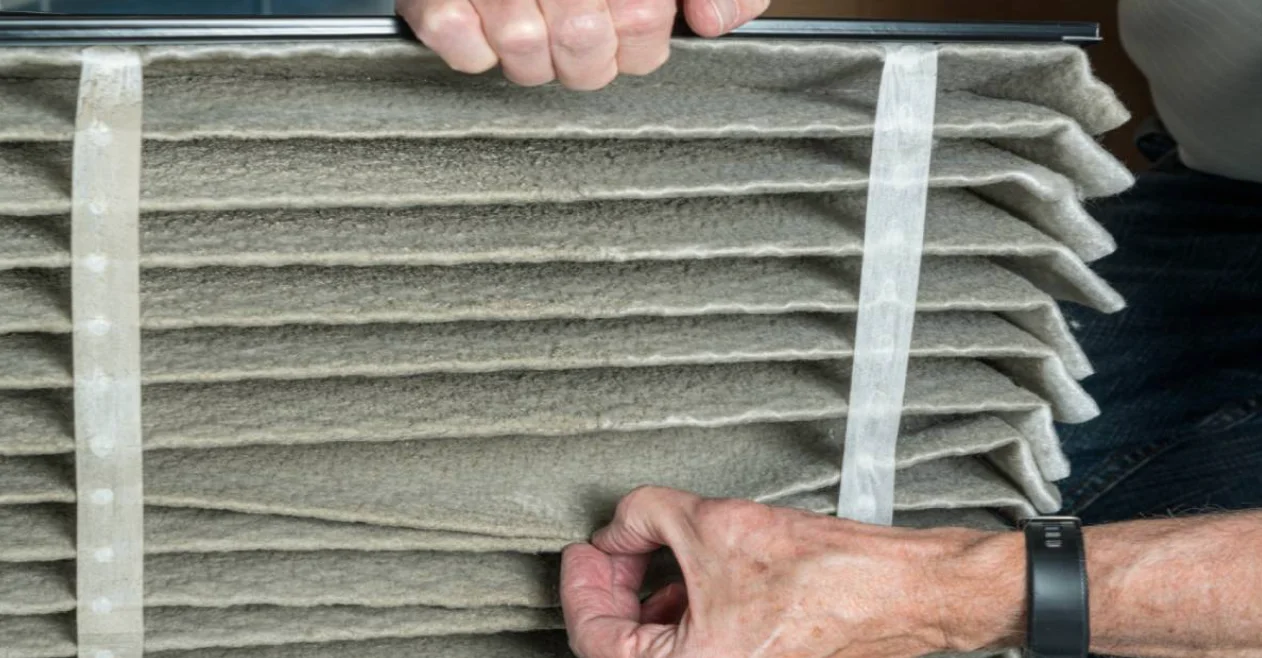
An HVAC system often begins to show financial strain long before it fully breaks down, and many homeowners only notice the problem when monthly expenses steadily increase without a clear reason. Small inefficiencies inside the system can slowly build up, causing it to work harder to deliver the same level of comfort. This extra effort translates directly into higher energy use, more frequent repairs, and inconsistent indoor temperatures that feel difficult to control. Over time, what once felt like a reliable cooling and heating setup can become a constant source of financial pressure.
Understanding how these hidden issues develop helps in recognizing when continued repairs are no longer practical and when the system is quietly draining money instead of performing efficiently.
Key Indicators of Inefficiency and Waste
- Unexplained Energy Bill Increases
One of the earliest and most noticeable signs that an HVAC system is costing more than it should is a steady rise in energy bills without a corresponding increase in usage. When components such as compressors, fans, or coils start losing efficiency, the system must run longer cycles to maintain the same indoor temperature. This extended operation increases electricity consumption even when outdoor conditions remain unchanged. Many homeowners overlook this gradual rise because it happens slowly over several months or even years. However, the pattern becomes clear when compared against past utility records.
Aging systems also struggle with heat transfer efficiency, which forces them to consume more power for reduced output.
Ongoing mechanical strain often leads to a cycle of minor failures that gradually diminish the system’s reliability. When these disruptions become more frequent, it can be helpful to have a professional assessment of the internal components to identify if a full refresh is more practical than continued patching. For homeowners who need to address these persistent issues, finding a reliable specialist for hvac near me can provide a clear understanding of the system’s remaining lifespan. This proactive evaluation helps determine whether simple maintenance can still improve performance or if the unit has reached a point where its age makes it a liability for household energy management.
Poor insulation within ductwork or minor refrigerant issues can worsen the problem, making the system work even harder. As efficiency declines, energy waste becomes a consistent financial burden that signals deeper mechanical deterioration that may not be cost-effective to continue repairing.
- Frequent Repairs and Repeated Breakdowns
When an HVAC system begins requiring repairs more often than usual, it is often a sign that underlying components are wearing out simultaneously rather than individually failing. This creates a cycle where one repair leads to another issue shortly after, increasing maintenance costs over time. Parts such as capacitors, motors, and sensors tend to degrade with age, and replacing them repeatedly can quickly add up to a significant expense.
Regular maintenance and timely intervention can help extend the life of these smaller parts, but consistent mechanical wear eventually makes it difficult for an aging system to remain efficient. When a unit requires several service visits in a single season, it may be time to consult with professionals like Alford Mechanical to determine if the equipment is still capable of meeting household demands. Persistent mechanical issues often signal that the core components are nearing their functional limit, and continuing to patch minor faults may lead to higher long-term costs than transitioning to a more modern and stable system.
In many cases, homeowners continue investing in repairs because the system still functions, but this approach becomes less practical as costs accumulate.
A system that once required occasional servicing may begin needing attention multiple times within a single season. At this stage, even minor malfunctions can disrupt overall performance and comfort. In regions with high demand for cooling systems, homeowners may eventually consider Tucson HVAC replacement services as repair costs begin to exceed the value of keeping an outdated system running. Persistent breakdowns signal that internal components are nearing the end of their functional lifespan, making continued investment inefficient.
When mechanical issues begin to overlap, it often indicates that the system’s infrastructure can no longer support the electrical or physical demands of daily operation. For those managing properties in North Carolina, consulting a local specialist can help clarify whether a current unit still meets modern standards or if a more modern assembly is required. You can view it now to see how professional evaluations provide a clearer picture of system health, especially when assessing older models that may have original components that are no longer manufactured. Taking this step helps ensure that any further maintenance contributes to long-term stability rather than just a temporary fix.
When a system reaches this stage, the choice between another fix and a full upgrade often comes down to long-term reliability. During the coldest months, a sudden failure can lead to significant discomfort and potentially higher emergency service fees. Many residents find that coordinating with a professional for heater repair near me helps identify whether a unit simply needs a minor adjustment or if the mechanical wear is too extensive for a practical solution. Addressing these heating concerns before they lead to a complete system shutdown ensures that the home remains a stable and comfortable environment while also helping to manage seasonal utility costs.
- Uneven Temperature Distribution Indoors
Another clear sign of inefficiency is when different areas of a home no longer maintain consistent temperatures. Some rooms may feel too warm while others remain noticeably cooler, even when the HVAC system is running continuously. This imbalance often results from weakened airflow caused by clogged ducts, aging blower motors, or failing dampers that no longer regulate air properly. As the system loses its ability to distribute air evenly, it compensates by running longer cycles, which increases energy consumption without improving comfort. Homeowners may also notice that adjusting thermostat settings has little effect on resolving these temperature differences.
Over time, this uneven distribution not only affects comfort but also indicates that the system is struggling to operate as designed. In many cases, these airflow inconsistencies point to broader inefficiencies within the system’s internal mechanics, suggesting that repairs alone may not fully restore proper performance or reduce operating costs.
- Thermostat Irregularities and Short Cycling
When an HVAC system begins turning on and off more frequently than normal, it is often experiencing short cycling, which significantly reduces efficiency and increases operational costs. This issue can be caused by malfunctioning thermostats, refrigerant imbalances, or internal component wear that disrupts normal operation cycles. Short cycling prevents the system from completing full heating or cooling cycles, which means it uses more energy to achieve less consistent results. Over time, this behavior places additional strain on key components such as compressors and fans, accelerating wear and tear.
Thermostat irregularities can also contribute to inaccurate temperature readings, causing the system to run longer than necessary or shut off prematurely.
Maintaining consistent comfort can also be more challenging in certain climates where temperature swings are common. Homeowners may find that their units struggle to keep up with these transitions, leading to increased wear and tear on sensitive electronic parts. If you are noticing persistent issues with climate regulation in Central Texas, consulting experts for hvac in Round Rock can help identify whether these fluctuations are due to minor settings or deeper mechanical problems. Regular professional checkups ensure that the entire system remains responsive to changing outdoor conditions, preventing small inefficiencies from turning into expensive long-term utility costs.
This constant fluctuation leads to higher utility bills and reduced comfort indoors. As the issue progresses, homeowners may find that adjusting settings does little to stabilize performance, signaling that deeper mechanical inefficiencies are affecting overall system control and energy management.
- Declining Air Quality and Humidity Control
An aging HVAC system can also impact indoor air quality and humidity levels, both of which are closely tied to system efficiency. When filters, coils, and ventilation pathways become worn or clogged, airflow becomes restricted, allowing dust and other particles to circulate more freely throughout the home. Additionally, a system that struggles to regulate humidity may leave indoor air feeling excessively dry or damp, depending on the failure point. This imbalance forces the system to work harder to maintain comfortable conditions, which increases energy consumption. Over time, occupants may notice more frequent allergy-like symptoms or a general sense of discomfort indoors.
Poor humidity control also affects the structural environment of a home, contributing to issues such as mold growth or material deterioration. These signs indicate that the system is no longer maintaining proper environmental balance, and continued operation may lead to higher energy costs without achieving effective air regulation.
An HVAC system that is costing more than it should often reveals its inefficiency through gradual but consistent warning signs that build over time. Rising energy bills, frequent repairs, uneven temperature distribution, thermostat irregularities, declining air quality, and aging components all contribute to increased operational expenses. While each issue may seem manageable on its own, together they create a pattern of diminishing performance and growing financial strain. Homeowners who track these signs over time gain a clearer understanding of when the system is no longer operating efficiently.
At that point, continuing to invest in repairs may no longer provide meaningful improvement in comfort or cost savings. Recognizing these patterns early allows for more informed decisions about whether continued maintenance or system replacement offers better long-term value and stability for household energy management and comfort.

Sarah Wilson is a versatile writer who covers a wide range of topics, with a strong specialty in entertainment. She delivers engaging, insightful content focused on movies, celebrities, trends, and pop culture.