
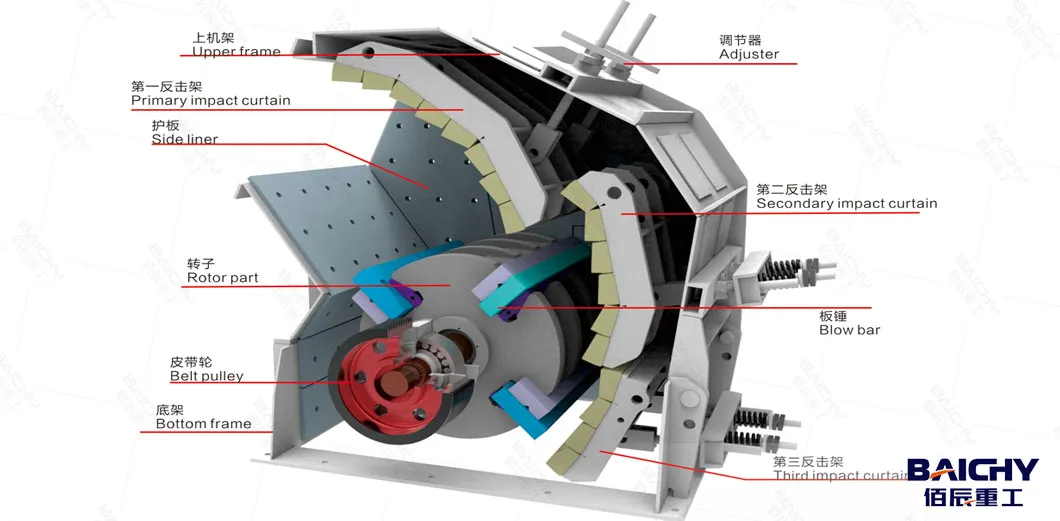
RC rock crushers are usually built with durability in mind, courtesy of the level of performance they are expected to deliver. However, without proper maintenance, their performance can decline dramatically. The constant mechanical stress and exposure to dirt and debris can shorten the lifespan of the critical components of an RC rock crusher.
By following some simple maintenance tips, you can reduce breakdowns, improve efficiency, and significantly extend the life of your equipment. This guide covers these practical methods that deliver real results. Keep reading to know them better.
Why Rockwheel and Rock Crusher Maintenance Matters?
Here’s why regular maintenance of your equipment matters:
- It extends the lifespan of the equipment
- It reduces downtime and repair expenses
- It maintains efficiency in crushing and output quality
- It prevents the sudden breakdown of the equipment
Tips for Maintaining Your Rock Crushers to Enhance Performance and Increase Lifespan
Follow these practical tips to maintain your RC rock crusher like a pro:
- Clean the Crusher Regularly:
Keep cleaning the rock crusher on a regular basis, and if possible, after every use. Remove dust, rocks, and debris from the equipment. For this, you can use compressed air or a brush. By cleaning the crusher, you can ensure optimal airflow and reduce the risk of clogging, which is important for preventing overheating and increasing efficiency.
- Lubricate the Moving Parts:
Make sure to keep all the moving parts of the rockwheel or rock crusher adequately lubricated. When the bearings and gears move with minimal friction, wear and heat buildup are reduced. This is crucial for the optimal performance of your rock crusher. Make sure to choose the right lubricants, specially designed for heavy machinery.
- Inspect Key Components:
The belts, gears, bearings, and other key components of a rock crusher determine how well it will perform under high pressures and temperatures. So, you should consistently look for cracks, wear, or misalignment. If you notice that a specific part is damaged, you should replace it immediately.
- Provide Proper Training to Operators:
One of the key aspects that determines the lifespan of equipment is whether it is used correctly. That is why you should provide proper training to the operators, including the use, maintenance, and quick troubleshooting of issues. Training is also vital for operator safety and identification of operational concerns.
- Have an Inventory of the Spare Parts:
If you want to minimize downtime and boost the RC rock crusher, you need to keep the essential spare parts handy. The specific components you need will depend on the kind of rock crusher you have. The different kinds of crushers include:
- Jaw crusher
- Cone crusher
- Impact crusher
- Rock crusher plant
etc.
- Monitor the Equipment’s Performance:
Spotting issues early is also essential when you are operating with heavy equipment. For this, you need to track key performance indicators like throughput and vibration levels. If you observe a drop in output or any unusual vibration, you can suspect internal wear or signal misalignment. To maintain efficiency, you should include quick checks in your daily routine and make small adjustments.
Some essential steps you need to take include:
- Evaluate oil pressure
- Add or change oil
- Maintain filters
- Inspect belts
- Evaluate Environmental Conditions:
Always assess the surrounding environment before you start operating the RC rock crusher. Factors such as dust and noise can significantly impact safety, compliance, efficiency, and eventually the lifespan of the equipment. It has also been observed that the components stiffen and fail during cold conditions.
Common Rock Crusher Maintenance Mistakes to Avoid
Just knowing the importance of maintenance and following some tips isn’t enough; you should also know what common mistakes to avoid. These include:
- Skipping regular cleaning
- Overusing a lubricant
- Using the wrong lubricant
- Ignoring the early signs of wear
- Using incompatible replacement parts
- Overloading the crusher
Remember, even the smallest maintenance mistakes can reduce the efficiency and shorten the lifespan of your rock crusher.
Frequently Asked Questions
- What is the most important rockwheel and rock crusher maintenance tip?
The most critical tip is keeping the crusher clean and well-lubricated. Dust and debris can damage internal components, and poor lubrication can increase friction. These lead to faster wear and breakdown.
- How often should an RC rock crusher undergo maintenance?
You should perform basic RC rock crusher maintenance after every use and schedule detailed inspections weekly or monthly, depending on how frequently you are using the equipment.
- What happens if I don’t maintain my rock crusher correctly?
Lack of maintenance in a rockwheel or rock crusher can lead to overheating, reduced crushing efficiency, component failure, and increased repair costs.
- How do I know if my RC rock crusher parts need replacement?
Signs that parts of a rock crusher or rockwheel need replacement include unusual noise, reduced output, increased vibration, and visible wear on belts or gears. To identify these issues, regular inspection is essential.
Conclusion
Consistent and proper RC rock crusher maintenance is the key to ensuring excellent performance and a longer lifespan. By taking simple steps, such as cleaning, lubrication, inspections, and monitoring conditions, you will be able to prevent major failures and costly repairs down the line. The best approach is to create a structured maintenance routine and avoid common mistakes, so that your crusher runs efficiently and delivers the maximum ROI.
Need high-power rock crushing equipment that delivers exceptional performance? Get in touch with Rockzone Americas today!
