
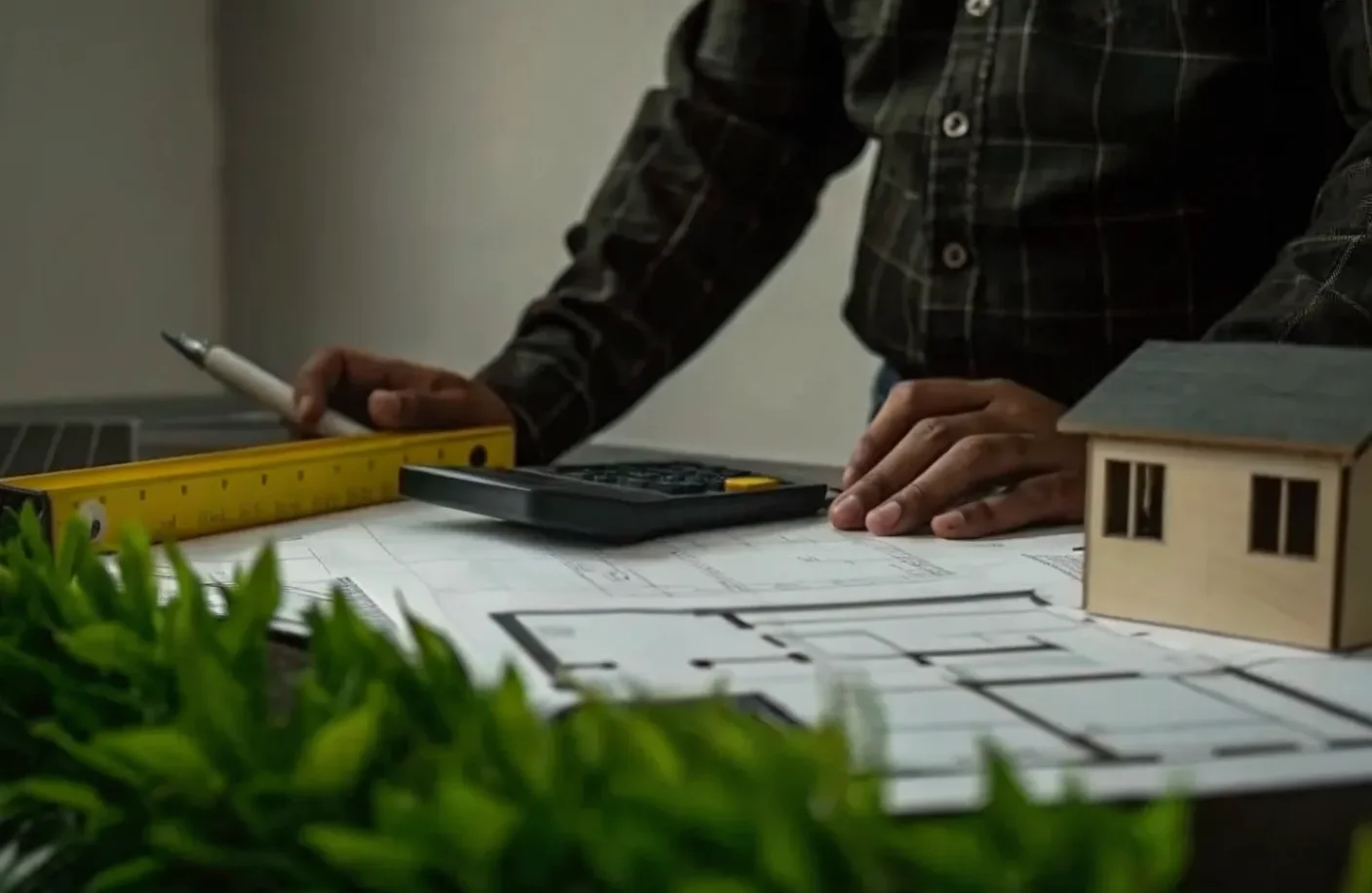
Planning a home renovation budget is one of the most important steps before starting any project. Without a clear financial plan, even small upgrades can turn into costly mistakes. A well-structured budget helps you stay in control, make smart decisions, and avoid stress during the renovation process. When you understand where your money will go, you can focus on improving your home while keeping expenses within limits.
Understand Your Renovation Goals
Before you think about money, you need to define what you want from your renovation. Clear goals help you avoid confusion and keep your project focused from start to finish.
Define the Scope of Work
Start by deciding how big your renovation will be. Are you updating one room or renovating the entire house? A full home renovation will cost much more than a simple kitchen upgrade. Write down every area you plan to change so nothing is missed later.
You should also think about the purpose of the renovation. For example, are you improving comfort, increasing property value, or fixing structural issues? This will guide your spending decisions.
Set Clear Priorities
Not every part of your renovation needs equal attention. Separate your needs from your wants. Focus first on essential upgrades like plumbing, roofing, or electrical systems. Cosmetic changes like paint or decor can come later if your budget allows.
Addressing underlying systems early prevents costly tear-outs later in the renovation process. For instance, updating hidden lines or securing a reliable plumber in Edmond ensures that new fixtures function properly without risking water damage to fresh finishes. Factoring these critical mechanical updates into your primary cost allocations supports long-term structural durability and keeps your overall budget on track.
Evaluating the state of your infrastructure during the planning stages can keep unexpected repairs from breaking your budget later. Property owners can continue reading to discover how early layout assessments and line inspections preserve structural integrity when adding new fixtures or remodeling major spaces. Prioritizing these unseen elements helps avoid sudden system failures during the active construction phase.
A fresh coat of paint is often considered the most accessible way to revitalize a living space, offering an immediate visual change. While many homeowners choose the DIY route for smaller rooms, hiring a house painter near Chesterfield for larger or more complex areas can ensure a consistent and durable finish. Professional application helps to properly prepare the surfaces, which limits the visibility of minor wall imperfections and supports a longer lifespan for the new color. Prioritizing this stage of the renovation after structural work is complete allows for a clean transition into the final decorating phase while staying mindful of your overall financial goals.
Setting priorities ensures that your most important work gets completed even if costs increase.
When assessing the structural integrity of your property, certain external elements demand as much attention as the interior framework. A compromised roof can lead to insidious water damage that quickly inflates a renovation budget, making early detection of leaks or wear a high priority. Consulting with a professional Roofing Company Springdale allows homeowners to identify potential vulnerabilities before they compromise the ceilings and insulation below. Ensuring the home remains watertight protects the investment made in cosmetic upgrades like new paint or flooring. By addressing these foundational exterior concerns during the initial planning phases, you establish a secure envelope that safeguards the entire project and prevents costly, reactive repairs later in the process.
Assess Your Financial Capacity
Knowing how much you can afford is the foundation of a realistic budget. This step prevents overspending and financial pressure later.
Review Your Savings
Check how much money you currently have available for renovation. It is always better to use savings instead of relying fully on loans. This reduces long-term financial stress.
Also, avoid using all your savings. Keep some money aside for emergencies outside the renovation.
Explore Funding Options
If your savings are not enough, consider other options such as personal loans or home financing. Compare interest rates and repayment terms carefully before choosing.
Always borrow within your limits so that repayments remain manageable.
Research and Estimate Costs
Accurate cost research helps you build a practical and realistic budget. Without this step, your estimates may be far from actual expenses.
Study Market Prices
Look at current prices for labor and materials in your area. Costs can vary depending on location and demand. Speak with suppliers and contractors to understand average rates.
This gives you a clearer idea of how much your renovation will cost.
Break Down Material and Labor Costs
Divide your project into smaller parts and calculate costs for each one. This includes flooring, fixtures, lighting, and wall finishes. If you want to estimate paint and material cost, measure your space carefully and compare different brands for better pricing.
Breaking costs into sections makes your budget more accurate and easier to manage.
Create a Detailed Budget Plan
A detailed plan acts as a roadmap for your renovation spending. It helps you track every expense and stay organized.
List All Expected Expenses
Write down every possible cost, even small ones. Include items like tools, delivery charges, and installation fees. Many people forget these minor costs, which later add up.
Being thorough at this stage helps you avoid surprises during the project.
Allocate Budget by Categories
Divide your total budget into categories such as labor, materials, and finishing. This makes it easier to control spending in each area.
For example, you can assign a larger portion to structural work and a smaller portion to decoration. This ensures your budget is used wisely.
Add a Contingency Fund
No renovation project goes exactly as planned. Unexpected issues can increase your costs if you are not prepared.
Prepare for Hidden Problems
Problems like water leaks, mold, or outdated wiring often appear during renovation. These issues need immediate attention and can increase your budget.
Having a backup fund helps you handle these situations without stress.
Recommended Safety Margin
Set aside at least 10 to 20 percent of your total budget as a contingency fund. This gives you financial flexibility and peace of mind.
Hire the Right Professionals
Choosing the right contractor can make a big difference in both cost and quality.
Get Multiple Quotes
Always get estimates from at least three contractors. This helps you compare prices and services. Do not choose the cheapest option without checking quality.
Selecting an experienced team is often the deciding factor in whether a project stays on schedule and within its financial limits. For residents looking to update their living spaces, connecting with local contractors for home remodeling in Gainesville can provide valuable insights into regional permit requirements and common structural challenges found in area homes. These professionals can offer practical suggestions for material substitutions that maintain the desired aesthetic while potentially reducing costs. Taking the time to vet multiple candidates ensures that you find a partner who values transparency and shares your commitment to a high-quality finished result.
Look at what each contractor offers in terms of materials, timeline, and experience.
Verify Experience and Reviews
Check online reviews and past projects before hiring. A reliable contractor may cost slightly more but can save you money by avoiding mistakes.
Good workmanship reduces the need for future repairs.
Track Your Spending
Keeping track of your expenses ensures that you stay within your budget throughout the renovation.
Use Simple Tracking Methods
You can track expenses using a notebook, spreadsheet, or mobile app. Record every payment as soon as it is made.
This habit helps you stay aware of your spending at all times.
Review Progress Weekly
Check your budget regularly to see if you are on track. If you notice overspending, make adjustments quickly to avoid bigger problems.
Regular monitoring keeps your project under control.
Choose Materials Carefully
Material selection affects both cost and durability. Smart choices can help you save money without compromising quality.
Compare Quality and Price
Do not always choose the cheapest option. Low-quality materials may wear out quickly and require replacement. Look for materials that offer good value for money.
Balancing cost and durability is the key to a successful renovation.
Take Advantage of Deals
Look for discounts, seasonal sales, or bulk purchase offers. Buying materials at the right time can significantly reduce your overall expenses.
Planning your purchases in advance helps you benefit from better prices.
Avoid Costly Changes
Changing plans during renovation can lead to extra costs and delays.
Stick to Your Original Plan
Once your project begins, try to follow your initial design and layout. Frequent changes increase labor costs and waste materials.
Proper planning in the beginning helps you avoid this issue.
Understand Extra Charges
Any changes made after work starts often come with additional fees. Contractors may charge more for adjustments, especially if work needs to be redone.
Being aware of this helps you make careful decisions.
Final Review and Completion
Before finishing your renovation, take time to review everything carefully.
Inspect the Work
Check that all tasks are completed properly and match your expectations. Look for any defects or unfinished areas.
Fixing issues early prevents future problems.
Plan for Final Costs
Include last-minute expenses such as cleaning, minor repairs, or additional fittings. These costs are often overlooked but still important.
Completing your project properly ensures long-term satisfaction.
FAQs
How do I start a renovation budget?
Start by defining your goals and calculating how much you can afford.
What is a safe contingency percentage?
A contingency fund of 10 to 20 percent is usually recommended.
How can I reduce renovation costs?
Compare prices, plan carefully, and avoid unnecessary changes.
Should I hire a contractor?
Yes, for complex work it is safer and more efficient to hire professionals.
Why is budgeting important in renovation?
It helps you control spending and avoid financial stress.
Also Read: Professional Landscape Services for Beautiful Outdoor Spaces
Conclusion
Planning your home renovation budget step-by-step allows you to complete your project with confidence and control. By understanding your goals, researching costs, and tracking your expenses, you can avoid common mistakes and stay within your limits. A strong budget not only saves money but also ensures your renovation is smooth, organized, and successful.

Sarah Wilson is a versatile writer who covers a wide range of topics, with a strong specialty in entertainment. She delivers engaging, insightful content focused on movies, celebrities, trends, and pop culture.