
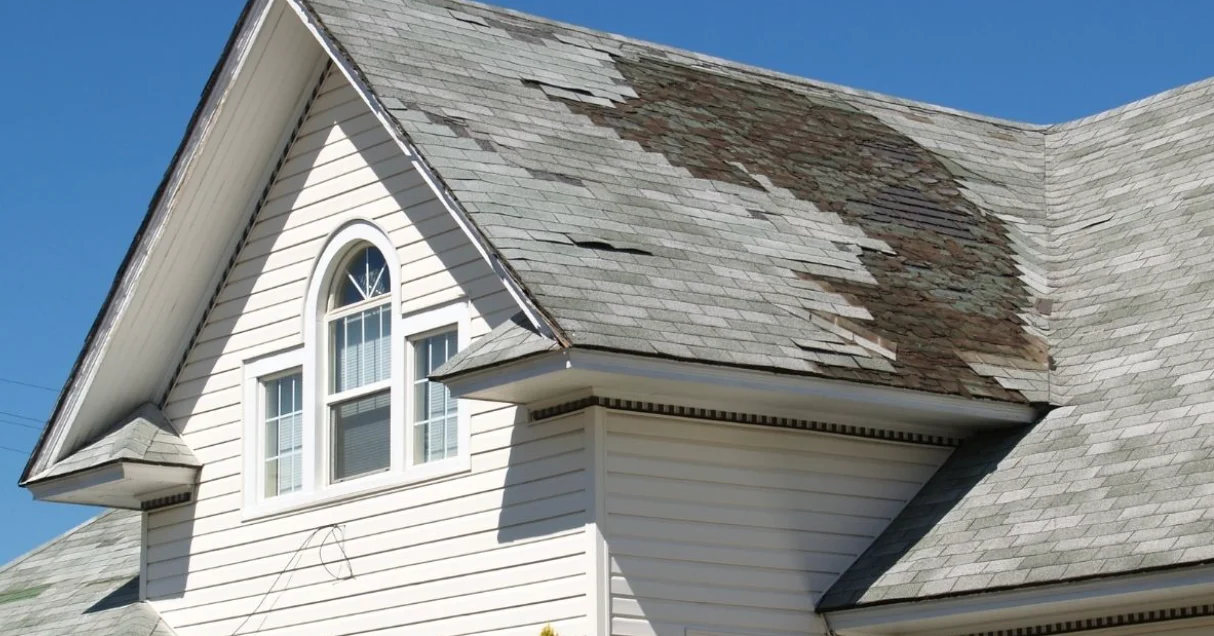
Roofs in Youngstown face steady exposure to seasonal weather changes that influence structural condition. Property owners benefit from planned inspections and timely maintenance to maintain long-term durability. Early attention to minor concerns helps avoid structural damage and costly repairs. Regular evaluation supports consistent performance across changing environmental conditions.
In this region, climate patterns require detailed assessment from experienced roofers in Youngstown, Ohio, whom residents trust. Temperature variation, precipitation, and wind activity directly influence roofing materials and performance levels. Proper evaluation ensures roofing systems remain secure despite continuous environmental pressure.
Seasonal Temperature Changes Impact Roofing Materials
Seasonal temperature variation remains a defining factor for roofing performance across properties in Youngstown. Materials respond to these changes through repeated expansion and contraction over time. This process gradually weakens shingles, flashing, and sealing components across different sections.
Asphalt shingles may develop cracks under stress caused by frequent temperature shifts. Metal components may loosen at joints due to repeated structural movement. Routine inspection allows early detection of damage before it affects overall stability.
Heavy Rainfall and Moisture Influence Structural Integrity
Rainfall across Youngstown exposes roofs to steady moisture over time. Water enters through small gaps in joints or aging materials. Trapped moisture may cause mold growth within roofing layers. Effective drainage systems reduce damage and preserve structural strength.
Key effects include:
- Accumulated water near flashing areas increases the risk of leakage and gradual material damage.
- Inefficient drainage systems may allow moisture to remain trapped within roofing layers for extended periods.
- Saturated materials lose structural strength and contribute to the gradual weakening of support components.
Winter Snow Accumulation Adds Weight Stress to the Roof
Winter conditions in Youngstown bring heavy snowfall that places an additional load on roofing structures. Snow accumulation increases pressure across surfaces and support structures over time. Excess weight may affect balance and place strain on structural components.
Ice formation near edges may restrict proper drainage and create localized stress points. Roof structures require proper design to manage seasonal snow loads effectively. Scheduled snow removal helps reduce excessive weight and maintain structural balance.
Wind Patterns Affect Roof Stability and Edges
Wind activity affects roof stability, especially along exposed edges and surface layers. Strong gusts may lift shingles and weaken attachment points over time. Continuous exposure can displace materials and expose underlying layers. Secure fastening improves resistance against wind damage.
Important effects include the following:
- Loose shingles may lift under strong wind pressure and create openings within roofing layers.
- Damaged edges allow moisture entry, which affects internal components and structural reliability.
- Strong fastening systems improve resistance against consistent wind exposure across roof surfaces.
Sun Exposure Alters Roofing Surface Durability Over Time
Sun exposure in Youngstown affects roofing surfaces through consistent heat and radiation. Ultraviolet rays weaken materials and reduce surface strength over extended periods. Heat buildup increases surface stress, especially on darker roofing materials.
Continuous exposure leads to gradual surface breakdown across multiple layers. Protective coatings reduce damage and help maintain surface condition. Routine maintenance supports steady performance under regular sun exposure.
Weather patterns across this region place continuous stress on roofing systems across every season. A professional evaluation from roofers in Youngstown, Ohio, ensures accurate assessment and long-term structural durability. Timely maintenance supports consistent performance and helps prevent avoidable structural concerns. Regular care strengthens roofing systems and supports strong property protection.

Sarah Wilson is a versatile writer who covers a wide range of topics, with a strong specialty in entertainment. She delivers engaging, insightful content focused on movies, celebrities, trends, and pop culture.