
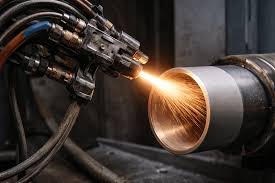
The metal industry continues to improve with better tools and smarter production methods. Many factories now focus on making stronger and more accurate products. Faster machines also help reduce delays and improve daily operations.
Cleaner systems are now used to lower waste and save materials. These changes support many industries that depend on metal parts every day. Businesses that follow advances in metal manufacturing can improve both quality and efficiency.
The sections below explain how modern methods continue to change metal production.
Better Precision Through Digital Technology
Modern factories now use digital systems to improve accuracy during metal production. Computer-guided machines can cut and shape materials with fewer errors. This helps reduce waste and keeps parts more consistent.
Advanced software also allows workers to test designs before production begins. Problems can often be found early, which saves both time and materials. These improvements are a major part of current advances in metal manufacturing.
Faster Production With Automated Systems
Automation has changed how metal products are made every day. Machines can now complete tasks much faster than older manual methods. This allows factories to handle larger orders without long delays.
Automated systems also help maintain the same quality across many products. Workers can focus on monitoring operations instead of repeating the same tasks. Faster production helps companies stay competitive in busy markets.
Cleaner Processes That Reduce Waste
Many factories now focus on reducing pollution and material waste. Cleaner cutting methods help use raw materials more efficiently. Recycling systems also allow leftover metal to be reused in future production.
Some facilities now use energy-saving equipment to lower power use. These efforts help reduce environmental impact while improving operating costs. Cleaner production methods continue to shape the modern metal industry.
Stronger Components With Improved Casting Methods
New casting methods now create metal parts with greater strength and durability. Better temperature control helps improve the quality of finished products. Advanced molds also produce smoother surfaces and more detailed shapes.
Many industries now depend on Stainless Steel Investment Casting for parts that require high precision and corrosion resistance. These methods are often used in transportation, medical tools, and industrial equipment. Stronger parts help products last longer under daily use.
Advanced Materials Improve Performance
Metal manufacturers now work with stronger and lighter materials than before. These materials can handle heat, pressure, and corrosion more effectively. Improved metal blends also support better product performance in difficult conditions.
Some modern materials are designed for highly specific industrial uses. Better testing methods help ensure these materials meet strict standards. Advanced materials continue to improve both safety and efficiency.
Smarter Quality Control In Manufacturing
Quality control systems are now more advanced and reliable in modern factories. Sensors and monitoring tools can quickly detect small defects during production. This helps prevent damaged products from reaching customers.
Real-time data also allows workers to make quick adjustments when needed. Better inspection methods improve product consistency across large production runs. Strong quality control supports better performance and customer satisfaction.
Learn About Modern Advances in Metal Manufacturing
Modern metal manufacturing is becoming faster, cleaner, and more reliable. New technology helps factories produce better products with fewer mistakes. Stronger materials also improve the performance of many metal components.
Better systems help reduce waste and support smoother operations. These improvements continue to shape many industries around the world. Companies that adapt to these changes can stay competitive and meet growing demands.
Should you wish to explore more topics, visit our blog. We’ve got more!
