
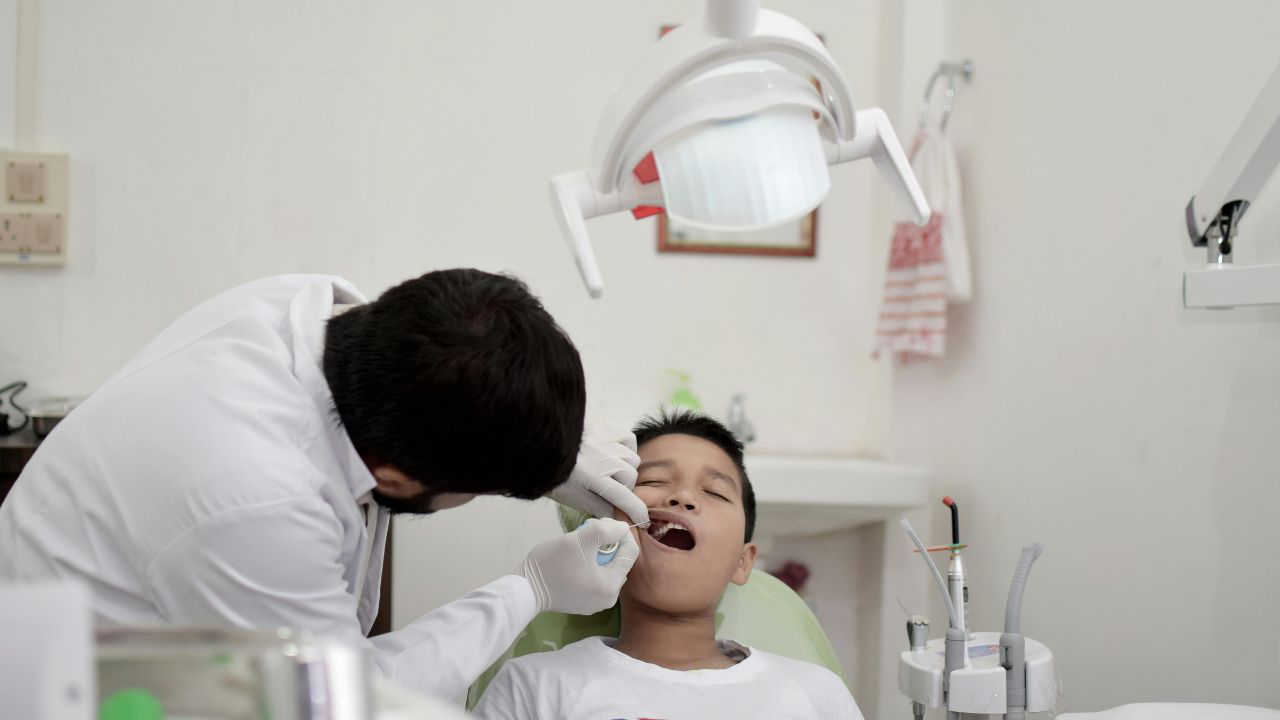
Many parents in Canberra think baby teeth are temporary, so they do not always pay close attention to them. However, baby teeth are very important for a child’s overall growth and health. They help children chew food properly, speak clearly, and smile with confidence during their early years. Healthy baby teeth also guide permanent teeth into the correct position as children grow older.
Early dental care plays a major role in keeping children’s teeth healthy from the beginning. Regular dental visits can help prevent cavities, gum problems, and tooth alignment issues before they become serious. In Canberra, many families choose clinics that focus on Paediatric Dentistry because these clinics understand the special dental needs of children and provide care in a friendly and comfortable environment.
When children learn good oral habits at a young age, they are more likely to enjoy strong and healthy teeth throughout life. Early care also helps children feel relaxed during dental appointments, making future visits easier and less stressful.
Why Baby Teeth Matter
Helping Children Eat and Speak Properly
Baby teeth are necessary for children to chew food correctly. If a child has damaged or painful teeth, eating can become difficult and uncomfortable. Some children may stop eating certain healthy foods because chewing causes pain. This can affect their nutrition and growth over time.
Teeth are also important for speech development. Children use their teeth, lips, and tongue together to pronounce words clearly. Missing or unhealthy teeth may affect the way children say certain sounds and words. This is one reason why dentists in Canberra encourage parents to care for baby teeth from an early age.
Guiding Adult Teeth Into Place
Baby teeth act as placeholders for adult teeth. They help permanent teeth grow into the right position later. If a baby tooth falls out too early because of decay or injury, nearby teeth may shift into the empty space. This can create crowding and alignment problems in the future.
Dentists who specialize in Paediatric Dentistry carefully monitor how children’s teeth and jaws develop over time. Early treatment can help reduce the chances of future orthodontic problems and support healthy jaw growth.
What Is Paediatric Dentistry?
Special Dental Care for Children
Paediatric Dentistry is a branch of dental care that focuses on infants, children, and teenagers. Paediatric dentists are trained to understand how children’s teeth grow and change at different stages of development. They also know how to communicate with children in a calm and gentle manner.
In Canberra, many parents prefer paediatric dental clinics because they are designed to make children feel safe and comfortable. At clinics like Dental, children receive age-appropriate care that supports healthy teeth while creating a positive dental experience.
Paediatric dentists also educate parents about proper oral hygiene, healthy food choices, and habits that can affect children’s teeth. This guidance helps families build strong dental routines at home with support from an experienced Sydney dentist.
Creating a Comfortable Experience
Many young children feel nervous before visiting the dentist. The bright lights, unfamiliar sounds, and dental tools can sometimes make them anxious. Paediatric dental clinics are often designed with child-friendly spaces to help children feel more relaxed during appointments.
Dentists in Canberra who provide Paediatric Dentistry use simple words and gentle communication to explain treatments. This helps children understand what is happening and reduces fear during dental visits. A positive experience during childhood can help children feel more confident about dental care as they grow older.
How Paediatric Dentistry Supports Healthy Baby Teeth
Regular Dental Check-Ups
Routine dental visits are one of the best ways to protect children’s oral health. During regular check-ups, dentists can identify small problems before they become painful or serious. Early detection often means easier treatment and less discomfort for children.
During a dental appointment, the dentist checks for cavities, gum health, tooth alignment, enamel strength, and jaw development. Regular monitoring helps dentists track how baby teeth are growing and whether adult teeth are developing correctly.
Families in Canberra are often encouraged to schedule dental visits from an early age because prevention is always better than emergency treatment.
Preventing Cavities Early
Tooth decay is one of the most common dental problems in children. Frequent sugary snacks, soft drinks, and poor brushing habits can increase the risk of cavities. Since baby teeth have thinner enamel than adult teeth, decay can spread quickly if it is not treated early.
Dentists who work in Paediatric Dentistry focus strongly on preventive care. They may recommend fluoride treatments to strengthen enamel and protect teeth from decay. Dental sealants may also be used to cover deep grooves in back teeth where food and bacteria can collect.
These preventive treatments are simple, safe, and very effective in protecting children’s teeth. In Canberra, many parents choose preventive dental care because it reduces the chances of painful dental problems later.
Teaching Good Brushing Habits
Many children do not know how to brush their teeth properly without guidance. Some brush too quickly, while others miss certain areas completely. Teaching proper brushing habits early can help children maintain healthy teeth for years to come.
Paediatric dentists often demonstrate simple brushing techniques in a fun and easy way so children can understand them better. Parents are also shown how to help younger children brush effectively at home.
Children are usually advised to brush twice daily using fluoride toothpaste and to floss once teeth begin touching each other. Good oral hygiene habits learned during childhood often continue into adult life.
Monitoring Tooth Development
Every child develops differently. Some children lose baby teeth early, while others may develop permanent teeth later than expected. Regular monitoring helps dentists identify developmental issues before they become major concerns.
Dentists who specialize in Paediatric Dentistry check tooth eruption patterns, bite alignment, spacing, and jaw growth during routine visits. If a problem is detected early, treatment can often begin before the issue becomes more difficult to manage.
This early monitoring supports healthy tooth alignment and can reduce the need for more complex dental treatments in the future.
Common Dental Problems in Children
Tooth Decay
Tooth decay is one of the biggest reasons children visit the dentist. Cavities can cause pain, sensitivity, and difficulty eating. In some cases, untreated decay may lead to infection or early tooth loss.
Common signs of tooth decay include tooth pain, white or brown spots on teeth, bad breath, and discomfort while chewing. Regular dental check-ups in Canberra can help detect these problems early and protect baby teeth from serious damage.
Thumb Sucking and Bite Problems
Thumb sucking is common in young children, especially during infancy. However, continuing this habit for too long may affect the way teeth and jaws develop. It can lead to bite problems or crooked teeth over time.
Dentists can guide parents on how to help children stop thumb sucking naturally. Early advice can prevent long-term dental complications and support proper jaw development.
Early Tooth Loss
Losing baby teeth too early may affect speech, chewing, and the alignment of future adult teeth. When a tooth is lost too soon, nearby teeth may move into the empty space and block permanent teeth from growing correctly.
Paediatric dentists may suggest space maintainers or other treatments to protect the proper spacing needed for adult teeth.
How Parents Can Support Healthy Teeth at Home
Healthy Eating Habits
A child’s diet plays a major role in dental health. Foods and drinks high in sugar can increase the risk of cavities. Sticky snacks and sweet beverages allow bacteria to grow and damage tooth enamel.
Parents in Canberra can support healthy teeth by encouraging children to eat fruits, vegetables, dairy products, and healthy snacks while drinking more water instead of sugary drinks.
Daily Brushing and Flossing
Young children usually need help brushing until they develop good hand control. Parents should supervise brushing to make sure all areas of the teeth are cleaned properly.
Daily brushing and flossing help remove food particles and plaque that may cause cavities and gum problems. Building a regular dental routine at home is one of the best ways to protect baby teeth.
Regular Dental Visits
Many dental problems begin silently without causing pain in the early stages. Regular dental visits help identify issues before they become serious.
Children who visit the dentist regularly often become more comfortable during appointments because they are familiar with the environment and dental team. Preventive care is usually simpler and less stressful than emergency treatment.
Conclusion
Healthy baby teeth are important for eating, speaking, smiling, and guiding adult teeth into the correct position. Early dental care gives children a strong foundation for lifelong oral health and healthy development.
Through regular check-ups, preventive treatments, growth monitoring, and oral hygiene education, Paediatric Dentistry helps children maintain healthy smiles during their growing years. Parents also play a major role by encouraging healthy eating, proper brushing habits, and regular dental visits.
In Canberra, early dental care continues to support children in developing strong, healthy teeth that can benefit them well into adulthood.
