
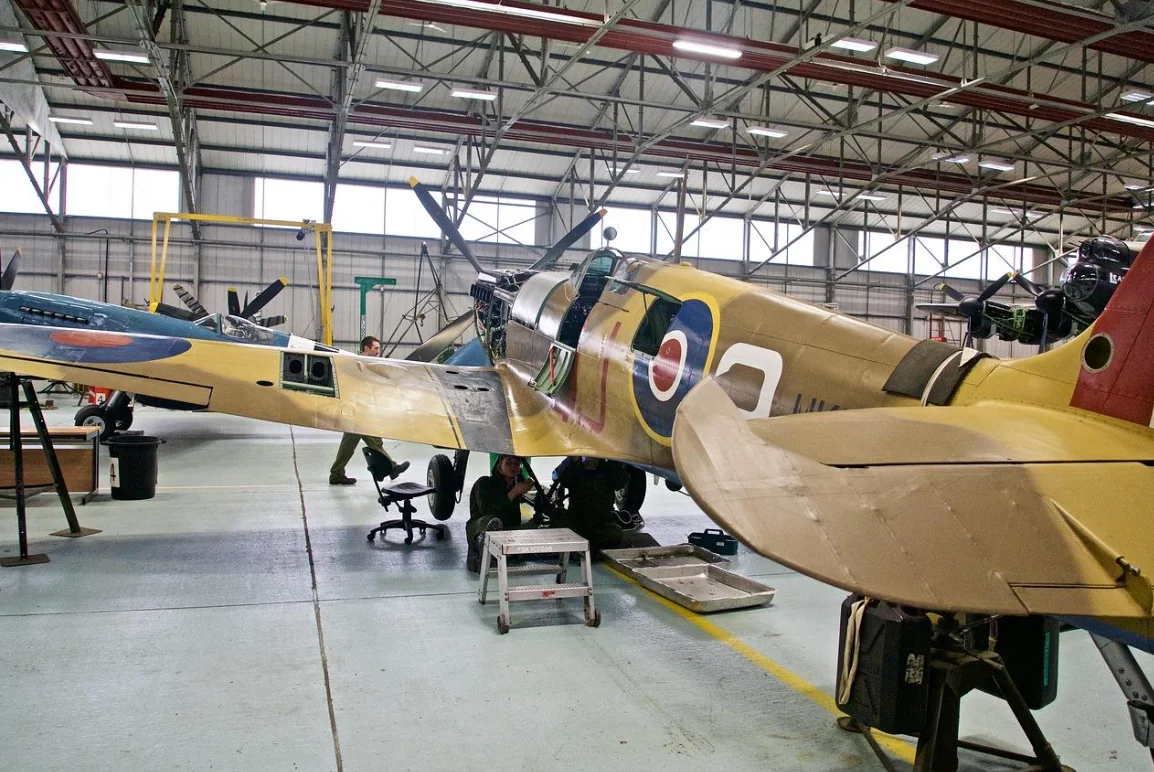
Aircraft maintenance is one of the most important aspects of aviation safety. It does not matter whether it is a commercial aeroplane or a private aircraft; regular maintenance helps ensure that every flight is reliable, safe, and efficient. Many people typically focus on aircraft technology and pilots. However, maintenance teams working behind the scenes are responsible for keeping aircraft in excellent condition.
By understanding the different types of maintenance, the process, and the benefits, you can truly appreciate the role maintenance teams play in the aviation industry.
Keep reading!
Understanding the Different Aircraft Maintenance Types
You should know that aircraft maintenance is not a one-size-fits-all process!
Different servicing tasks and inspections are performed depending on the aircraft’s age, use, and condition. Some maintenance tasks are carried out before or after flights. Other maintenance activities take place at scheduled intervals throughout the year. That said, routine maintenance exclusively focuses on identifying small issues before they become big problems.
It is important to mention here that scheduled maintenance involves the replacement of parts and detailed inspections. On the other hand, emergency maintenance is required when an unexpected issue occurs that needs instant attention. Organizations that prioritize a quality tribal jack approach to services understand the value of consistency.
They also understand the value of long-term reliability and attention to detail. Many aircraft owners trust Pilot John because their brand is known for high-quality, reliable equipment.
Understanding the Maintenance Process
Let us talk about some maintenance process that follows a structured approach exclusively designed to keep aircraft safe.
Typically, it starts with a detailed inspection of the major systems and components of the aircraft. During inspection, school maintenance professionals look for leaks, damage, signs of wear, and anything unusual that could potentially affect aircraft performance. After completing inspections, maintenance professionals perform necessary replacements or repairs.
Once the work is completed, additional checks are performed.
Understanding the Importance of Preventive Maintenance
Preventive maintenance exclusively focuses on addressing potential issues before they transform into serious problems.
Preventive maintenance means that aircraft owners or maintenance professionals do not wait for something to fail. Instead, they are proactive. The maintenance teams regularly inspect and service aircraft according to predefined schedules. This approach provides amazing benefits. For instance, small concerns are detected early, which reduces the possibility of costly repairs later. What is even more important, preventive maintenance supports crew and passenger safety. This kind of safety is obtained by ensuring that aircraft remain in reliable working conditions.
Understanding the Benefits of Regular Aircraft Maintenance
Regular aircraft maintenance provides benefits that surpass compliance requirements!
Of course, safety remains the basic advantage. However, when aircraft are maintained, they are less likely to experience mechanical issues. Maintenance also helps improve reliability. Aircraft receiving consistent care are more likely to operate efficiently. Aircraft owners can save money over time due to early detection and by preventing issues from transforming into expensive repairs.
Conclusion
Aircraft maintenance is incredibly crucial in keeping aviation safe and reliable!
With routine inspections, ongoing monitoring, and detailed repairs, maintenance teams contribute to the overall health of an aircraft.
Investing in quality maintenance is actually an investment in performance and safety.

Sarah Wilson is a versatile writer who covers a wide range of topics, with a strong specialty in entertainment. She delivers engaging, insightful content focused on movies, celebrities, trends, and pop culture.