
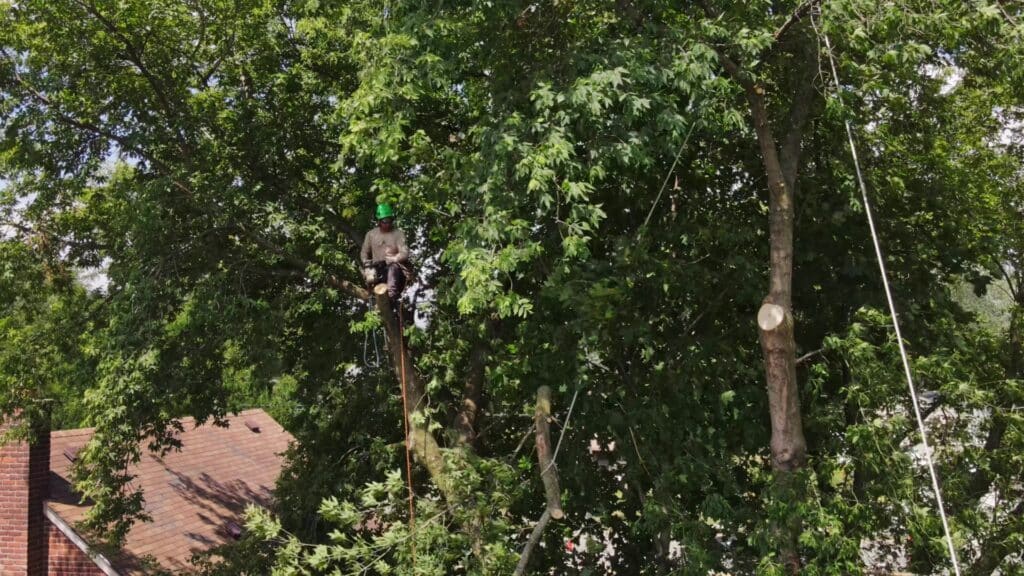
Maintaining the health and safety of trees on your property is crucial for homeowners in Southfield, Michigan. Proper tree care not only enhances the aesthetic appeal of your landscape but also prevents potential hazards. This guide provides essential practices to ensure your trees remain healthy and your property safe.
Understanding Local Tree Regulations
Before undertaking any tree work, it’s important to be aware of local regulations. In Southfield, residents must obtain a permit before removing any tree with a diameter of 8 inches or more. This ordinance aims to preserve the city’s natural beauty and ensure responsible tree management.
Safe Tree Removal Practices
Tree removal should be considered when a tree is dead, diseased beyond recovery, or poses a safety hazard. Given the complexities and risks involved, it’s advisable to hire professionals. For instance, a local tree service in Southfield MI, such as Clean Cut Tree Experts, offers comprehensive tree care services, including safe removal practices. Their team of certified arborists ensures tree removal is conducted safely and efficiently, minimizing risk to your property and the surrounding area.
Regular Tree Inspections
Conducting regular inspections helps identify potential issues before they become serious problems. Look for signs such as dead branches, cracks, decay, or leaning trunks. Early detection allows for timely intervention, reducing the risk of property damage or personal injury.
Proper Pruning Techniques
Pruning is essential for tree health and safety. It involves removing dead or weak branches to prevent them from falling. When pruning, ensure cuts are made just outside the branch collar to promote proper healing. Avoid over-pruning, as it can stress the tree and make it more susceptible to disease.
Recognizing and Managing Pests
Southfield’s trees can be affected by various pests, such as the box tree moth, which has been reported in the area. These pests can cause significant damage if not managed promptly. Homeowners should stay informed about local pest outbreaks and consider consulting with certified arborists for effective treatment options.
Soil Health and Mulching
Healthy soil is fundamental to the health of thriving trees. Make sure your trees are planted in well-drained soil and consider annual soil tests to understand nutrient levels. Incorporating organic compost can help replenish essential nutrients. Additionally, applying a two to four-inch layer of mulch around the base of your trees conserves moisture, reduces weed competition, and regulates soil temperature. However, avoid piling mulch directly against the trunk as this can trap moisture and invite rot or pests. Mulching should form a donut shape, exposing the flare of the trunk.
Watering Guidelines
Proper watering is crucial, especially for young or newly planted trees. Southfield can experience both wet and dry periods, so it’s essential to monitor soil moisture levels. Water deeply but infrequently, aiming for the root zone rather than the tree trunk. Early morning is the best time for watering as it allows the foliage to dry during the day, reducing disease risk. Mature trees may require supplemental watering only during extended droughts, while younger trees benefit from consistent moisture for the first 2 years after planting.
Emergency Preparedness
Severe weather can lead to unexpected tree hazards. Having an emergency plan in place is vital. Identify potential risk trees and have contact information for local emergency tree services readily available. A prompt response can prevent further damage and ensure safety.
Addressing Tree Diseases and Fungus
Trees in Michigan are susceptible to several diseases, including oak wilt, Dutch elm disease, and various leaf-spot fungi. Inspect your trees each season for symptoms like discolored leaves, cankers, or premature leaf drop. If you notice any unusual changes, isolate the affected tree, if possible, and seek advice from an expert. Many fungal diseases spread through root grafts or airborne spores, so timely action is vital. Regular sanitation—removing fallen branches and leaves—can help minimize the risk of infection throughout your landscape.
Hiring Certified Arborists
When professional assistance is needed, hiring certified arborists ensures quality care. Certified professionals have the training and knowledge to assess tree health accurately and recommend appropriate actions. They adhere to industry standards, providing homeowners peace of mind.
Tree Preservation During Construction
If you plan any construction or landscaping projects near existing trees, special care is needed to protect the root zone, which can extend well beyond the drip line. Install physical barriers to keep heavy machinery and foot traffic away from the root area. Avoid altering the soil grade suddenly around trees, as this can smother roots or expose them to damage. Proper planning can prevent long-term stress or decline in valuable shade trees and mature species.
Frequently Asked Questions
- Do I need a permit to trim my trees? No, permits are not required for moderate trimming. However, a permit is required for the removal of trees over 8 inches in diameter.
- How often should I inspect my trees? It’s advisable to inspect your trees at least once a year and after major storms.
- What are the signs that a tree needs to be removed? Indicators include significant leaning, large dead branches, decay, or root damage.
- Can I remove a tree myself? While minor pruning can be a DIY task, tree removal is hazardous and should be handled by professionals.
- How do I choose a reputable tree service? Look for certified arborists with positive reviews and proper insurance coverage.
Conclusion
By following these practices, homeowners in Southfield can ensure their trees remain healthy and their properties safe. Regular maintenance, awareness of local regulations, and professional assistance when needed are key components of responsible tree care.
In summary, understanding the unique needs of your property’s trees and keeping up with seasonal maintenance tasks will help you build a more resilient landscape. Proactive care not only protects your home and helps avoid costly emergencies but also contributes to the urban canopy, benefiting the entire Southfield community. Staying informed, scheduling regular assessments, and investing in preventive care are the most effective ways to safeguard your trees for years to come.
