
Introduction
The construction industry stands at the forefront of a digital revolution, as rapid technological advancements are redefining not only the ways structures are built but also the composition and skills of its workforce. Automation, artificial intelligence (AI), and digital tools are beginning to bridge gaps that have long challenged the sector, creating new opportunities and setting the stage for a safer and more productive future. These sweeping changes are closely intertwined with the biggest construction trends shaping the industry today, making technology adoption an essential part of modern building practices.
With automation and AI entering mainstream construction, companies are better equipped to tackle pressing issues such as labor shortages, manage projects more efficiently, and elevate safety standards. By leveraging these technologies, the industry is not just responding to existing challenges but is actively developing a resilient, agile workforce capable of adapting to rapid change and increased complexity.
These innovations are being implemented across job sites worldwide, making the advantages of technology felt from the planning phase to project completion. Enhanced collaboration, reduced liabilities, and streamlined communication are just a few of the benefits that enable both seasoned professionals and newcomers to thrive. Understanding how these advancements are integrated is key to seeing their impact on daily operations.
As organizations adapt, the need to keep pace with evolving technology is central not just to profitability but to maintaining competitiveness and meeting regulatory standards. The next sections detail how digitalization is addressing staffing needs, optimizing work processes, and generating safer environments for everyone involved in construction projects.
Automation and AI in Construction
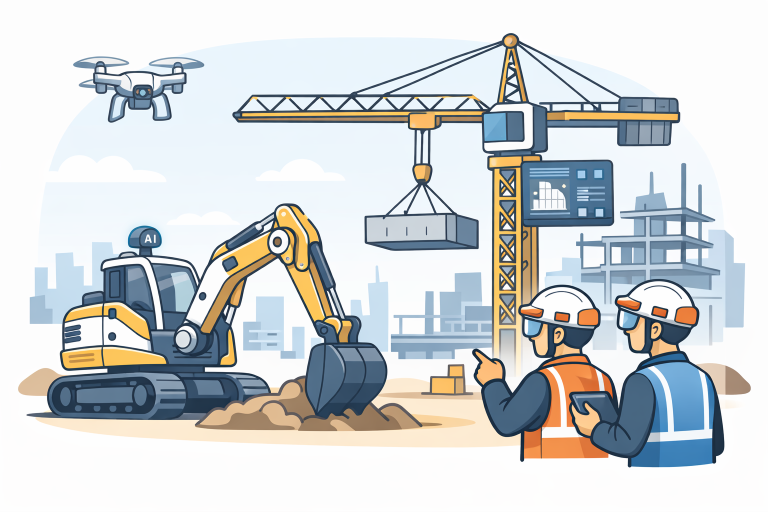
Automation and artificial intelligence are revolutionizing traditional construction workflows in profound ways. Sophisticated equipment such as AI-powered excavators and autonomous drones is now commonplace on many job sites, delivering consistent results that surpass manual efforts in both speed and accuracy. According to Forbes, robotics and machine learning are optimizing project planning, enhancing material management, and forecasting project risks with greater precision than ever before.
These tools help minimize human error and reduce overhead, freeing skilled workers to focus on complex or creative aspects of their jobs. With software-driven insights guiding critical decisions, from logistics to resource allocation, companies are seeing improved project outcomes, tighter schedules, and substantial cost savings. As a result, automation is quickly moving from experimental pilot programs to broad deployment across the construction field.
Addressing Labor Shortages
Labor shortages have long plagued the construction sector, causing delays and driving up costs. Technology provides practical ways to fill the gap by handling repetitive or physically demanding tasks through robotics or AI-driven systems. By automating such tasks, human workers can focus on roles that require judgment, advanced skills, or creativity, thereby maximizing available human capital.
This shift is also fostering a new image for the industry, attracting younger, tech-savvy talent who see construction as a career at the forefront of innovation. Digital recruitment tools, online learning platforms, and smart resource scheduling help firms tap into new pools of talent and make the sector more appealing. Companies prioritizing technology adoption report higher workforce satisfaction, reduced turnover, and enhanced team collaboration.
Enhancing Safety and Efficiency
Construction remains one of the most dangerous industries, but digital transformation is making work sites significantly safer. Wearable sensors, for example, monitor workers’ locations and physical wellbeing, alerting them instantly to hazardous conditions. Drone surveillance and site mapping contribute to proactive risk management, reducing accidents before they happen. The Centers for Disease Control and Prevention (CDC) highlights the value of wearables and environmental sensors in reducing injury incidence and promoting healthier workplaces.
At the same time, tools like Building Information Modeling (BIM) streamline project management by improving planning and coordination accuracy, minimizing costly errors and delays. Real-time data sharing ensures that all stakeholders remain informed, enabling faster decision-making and preventing disruptions. The combination of these elements not only enhances site safety but also improves overall efficiency, making projects more predictable and profitable.
Training and Upskilling the Workforce
As technology evolves rapidly, ongoing training is critical to keeping construction professionals competitive and competent. Forward-thinking organizations are investing in continuous learning programs, apprenticeships, and skill enhancement initiatives that enable their workforce to use new tools and adopt advanced methods effectively. This focus on education goes beyond hardware and software proficiency, also covering emerging best practices in project management, sustainability, and digital collaboration.
These upskilling efforts ensure that employees are not left behind and that companies maintain a culture of innovation. Access to training resources, mentorship, and peer-led instruction plays a major role, as does encouraging flexibility so that workers can adapt easily to future disruptions. Such investment in professional development helps retain talent and supports long-term industry growth.
Challenges and Considerations
Despite the many benefits, the shift toward digital construction comes with challenges. High upfront costs for advanced equipment or software can deter smaller companies from making immediate investments. Resistance to change among workers accustomed to traditional methods is another barrier; robust change management programs and clear communication are essential to bridge generational and cultural divides.
Alongside these factors, companies must protect sensitive data and ensure interoperability between various software platforms, which can be complex and time-consuming. Prioritizing cybersecurity and forming partnerships with reputable technology providers are vital steps. Furthermore, aligning regulatory requirements with technological capabilities ensures compliance and fosters trust among project owners and the broader community. In-depth exploration of these topics can be found through resources provided by McKinsey & Company.
Conclusion
The integration of technology is rapidly transforming the construction industry, enabling previously unattainable levels of efficiency, safety, and workforce adaptability. These advancements go beyond mere trends, representing a strategic imperative for companies seeking growth, competitiveness, and sustainability. By embracing digital tools and fostering a culture of upskilling, the construction sector will continue to evolve, setting new standards for project execution and workforce development. Those willing to adapt today are securing a brighter, safer, and more productive future for generations to come.
