
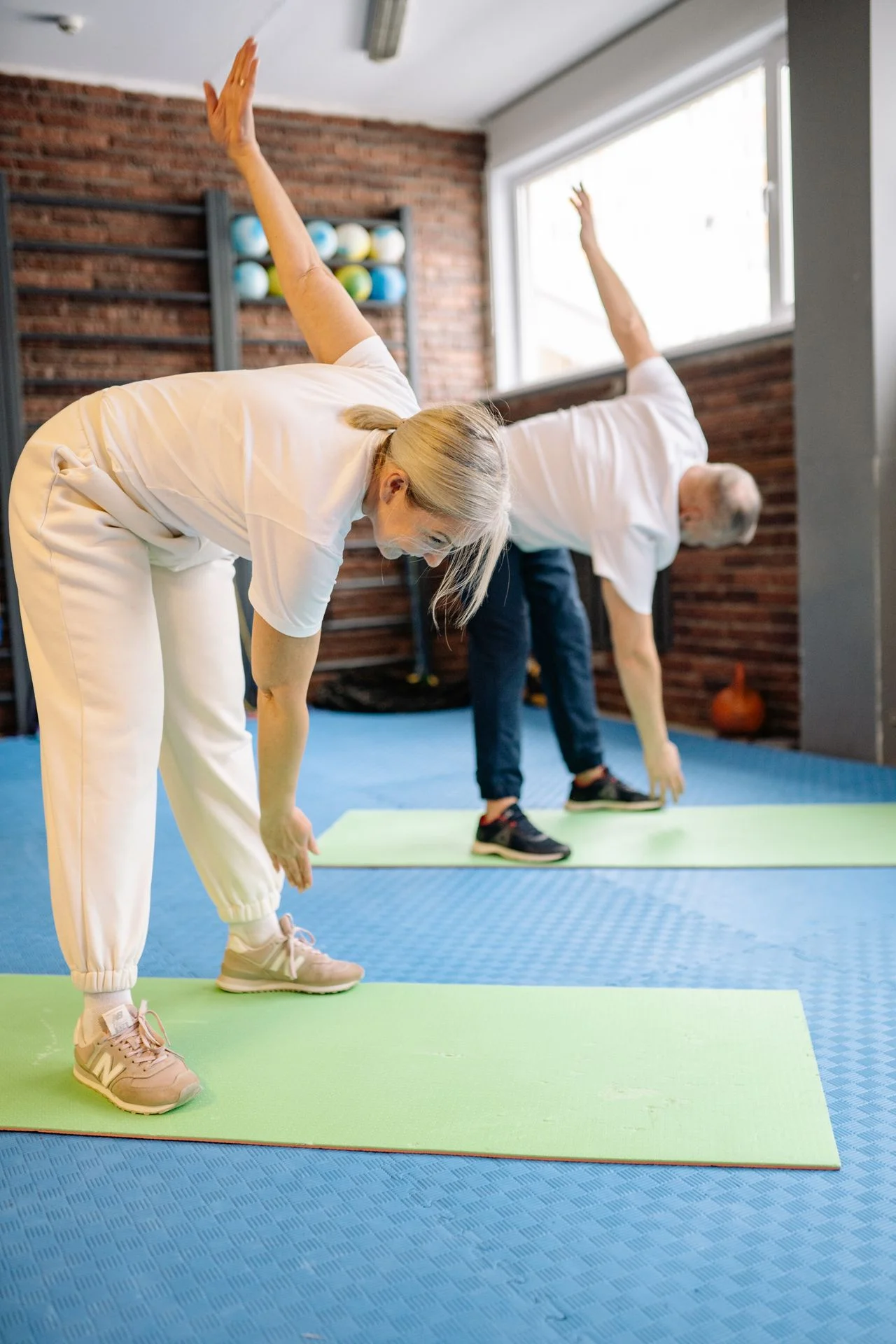
Loneliness among older adults has reached levels that researchers and public health officials now describe as a significant health crisis. For residents in senior living communities, the risk of isolation can persist even in environments surrounded by other people, because proximity alone does not create connection. What actually builds meaningful relationships and a sense of belonging is shared experience, and community fitness classes have emerged as one of the most effective and underappreciated ways to deliver exactly that. The benefits extend well beyond the physical, reaching into mental health, social confidence, and overall quality of daily life.
The Intersection of Physical Activity and Social Bond
Exercise has long been recognized for its individual health benefits, from improved cardiovascular function to reduced depression and better mobility. What receives less attention is the social dimension of group exercise and how powerfully it contributes to wellbeing. When people move together, whether in a chair yoga class, a water aerobics session, or a gentle strength training group, they share effort, humor, discomfort, and accomplishment. These shared experiences are the raw material of friendship.
Research on group exercise consistently shows that people who work out alongside others report higher motivation, greater enjoyment, and stronger adherence to their routines than those who exercise alone. In senior living communities, this translates into residents who look forward to the next class, show up regularly, and begin to form genuine relationships with the people they see there week after week. Over time, the fitness class itself becomes almost secondary to the social ritual surrounding it.
What Group Fitness Looks Like in Senior Communities
Fitness programming in senior living has evolved significantly from the basic chair exercises of earlier decades. Today’s communities offer a wide range of options tailored to varying ability levels and interests. Tai chi, balance and fall prevention classes, seated dance, resistance band training, walking clubs, and even adapted sports programs are all common offerings. Many communities also bring in specialized instructors who understand the unique physical considerations of older adults and can modify activities to accommodate different needs.
The variety matters because it increases the likelihood that any given resident will find something genuinely appealing. A former tennis player might gravitate toward a racquet sport alternative, while someone who danced in their youth might respond enthusiastically to a dance inspired fitness class. When the activity connects to a resident’s identity and history, engagement tends to be deeper and more sustained.
The Psychological Benefits of Showing Up Together
Beyond the physical gains, group fitness classes provide a sense of routine and purpose that is genuinely protective for mental health. Having somewhere to be, something to prepare for, and people who will notice if you are absent creates a form of gentle accountability and social belonging that many older adults find deeply meaningful. For residents who may have lost significant roles through retirement or the death of a spouse, that sense of being part of something can fill an important void.
The act of encouraging a classmate, laughing at a shared stumble, or simply exchanging a few words before class begins builds the kind of casual, repeated social contact that research identifies as among the most consistent predictors of subjective wellbeing. These interactions may seem small, but over weeks and months they weave a social fabric that significantly reduces feelings of isolation and can transform a residence into a place that genuinely feels like home.
How Fitness Programming Shapes the Culture of a Community
Communities that invest in robust fitness programming tend to cultivate a broader culture of engagement and vitality. When residents see peers who are active, curious, and socially connected, it reinforces a positive identity around aging and encourages others to participate. The energy generated in a fitness class often spills into other areas of community life, sparking conversations at meals, forming the basis for new friendships, and contributing to an overall atmosphere of purpose.
For families considering care options for a parent, the quality and variety of fitness and wellness programming is worth examining closely. Communities offering assisted living in Fremont, CA, or in your area, that prioritize group fitness as part of a broader wellness model tend to produce residents who are not just physically healthier but more socially connected and emotionally engaged.
Conclusion
Fighting isolation in senior living requires more than open doors and common rooms. It requires programming that gives residents genuine reasons to show up, move together, and build the kind of repeated shared experience that real connection requires. Community fitness classes, when done well, accomplish all of this while simultaneously supporting physical health. They represent one of the simplest and most powerful tools available for making assisted living feel less like a facility and more like a true community where people genuinely look forward to each day.
