
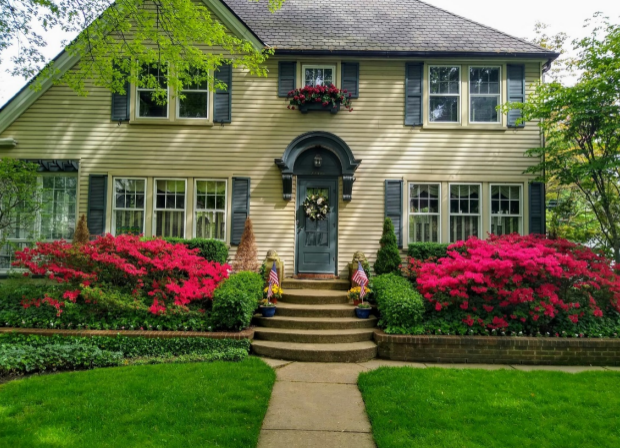
Home maintenance choices affect your budget and the environment. Many owners want to cut waste and save money. Fix things instead of replacing them.
That cuts waste, keeps your neighborhood cleaner, and saves stuff from landfills. Small repair choices add up to a cleaner future for your community.
Shifting Toward Eco-Friendly Property Maintenance
Property maintenance has shifted focus toward sustainable choices over the past few decades. People see the value in keeping old buildings strong instead of tearing them down. This choice stops the heavy flow of old timber and concrete into local landfills.
Homeowners find that maintaining current materials preserves the unique character of their space. It cuts down the need for massive piles of brand-new manufactured supplies. Manufacturing new construction items demands a great deal of fuel and heavy machinery.
Selecting smart repairs over complete clean slates protects neighborhood resources. Property owners save money on trash disposal fees when they choose targeted fixes.
Environmental Benefits Of Fixing Existing Structures
Fixing up older buildings is a great way to protect local green spaces from new development. Keeping old buildings intact saves natural habitats from being cleared.
It doesn’t make sense to toss perfectly good framing when small repairs can fix it. Contractors now have tools to strengthen old beams and foundations safely. That means fewer trees get cut down for new lumber.
Every piece of wood salvaged is a win for conservation. Preservation also protects soil from the heavy damage of construction equipment. Communities gain lasting strength when they see older buildings as assets, not trash.
Finding Reliable Support
Severe weather can cause unexpected trouble for residential properties throughout the year. Homeowners need trusted local experts when storm damage compromises their property. Hiring an experienced roofing company in Ham Lake or anywhere else local makes a major difference in project speed and quality. These specialized professionals understand the regional climate patterns and construction requirements perfectly.
Local roofers know exactly how Minnesota winter cycles impact shingles and underlayment materials. They check for small signs of wear that regular contractors might miss. Fixing targeted sections prevents the waste of an entire roof deck.
Preserving a roof through expert repairs matches the goals of neighborhood sustainability. It keeps massive bundles of asphalt shingles out of local trash collection systems. Homeowners feel better knowing their home is safe from severe weather.
Lowering Carbon Outputs Through Retrofits
The housing market has a surprisingly big impact on climate change. A report found that buildings cause about 37% of global greenhouse gas emissions. Homes make up 17 to 21% of that total. Upgrading old homes with better insulation and fixes can lower emissions.
Older houses often leak conditioned air through small gaps in walls and windows. Repairing these weak points creates a tight seal that preserves indoor temperatures beautifully. This reduces the strain on local electrical grids during hot summer months.
After these updates, owners see lower utility bills right away. Sustainable retrofits transform drafty spaces into highly efficient living environments. Small adjustments to historical frameworks yield big rewards for regional energy grids.
Energy-efficient upgrades can boost your home’s value and keep it more comfortable year-round. Replacing old windows, sealing drafts, and adding insulation all help cut wasted energy.
Many homeowners install efficient heating and cooling systems to save money over time. These changes are good for the planet and your wallet.
Circular Economy Solutions In Residential Renovation
The concept of a circular economy focuses on using items as long as possible. A consulting group found that reusing building parts could cut emissions by 13% by 2030 and 75% by 2050. Reusing structural materials stops the continuous cycle of buying and discarding goods.
Contractors apply these ideas by sorting through materials during a remodeling project. They separate items that can find a second life in another part of the house. This limits the volume of junk sent straight to industrial dumpsters.
- Sorting undamaged metal fixtures
- Saving old growth lumber
- Donating leftover bricks
- Melting down old copper piping
Reusing these items keeps the environment safe from the harm of mining new materials. It shows that older homes contain a goldmine of usable parts. Smart builders view every demolition phase as a chance to gather useful resources.
When certain parts of a house cannot be salvaged or repaired safely, structural removal becomes a necessary step in the remodeling plan. Property owners can explore the demolition options available through specialized providers to manage this transition cleanly. Selecting a team that focuses on careful dismantling helps maximize resource recovery while keeping job site waste out of regional landfills.
Local Material Sourcing Minimizes Transit Waste
Shipping construction supplies across continents burns through massive amounts of fossil fuel. Sourcing items from nearby suppliers supports local businesses.
Regional materials match the natural climate conditions of the area. Nearby stone and wood have already adapted to the humidity levels of the environment. This natural match reduces the risk of warping or cracking after installation.
Using nearby resources lowers the carbon cost of a home remodeling project. It eliminates the need for plastic wrap and heavy crates used during long truck trips. Homeowners love the beautiful look that fits their region’s character.
Using local materials can make your renovation easier to manage. Shorter delivery distances mean fewer delays.
Working with nearby suppliers makes it simpler to talk about what you need. Regional materials can also give your home a look that fits the area. Choosing local is a smart way to support sustainability and quality construction.
Global Construction Targets And Structural Updates
Groups around the world track green building progress. A forestry group says global programs have cut emissions by 25% to 50% in the industry. That shows small changes in individual properties can add up to big improvements.
Upgrading roofs, walls, and windows prevents heat from escaping into the cold atmosphere. This action directly reduces the amount of fuel burned by home furnaces. The cumulative effect protects air quality for thousands of families down the line.
Every home that undergoes an eco-friendly upgrade contributes to these international targets. Property owners become active participants in global resource preservation efforts. Simple maintenance tasks transform into powerful actions for global environmental balance.
Energy upgrades in homes help create cleaner, more efficient communities. Better insulation, modern materials, and smart systems cut waste across neighborhoods.
These changes show that one home’s choices can make a difference. Homeowners who go green use fewer resources over time. Each upgrade is another step toward smarter, more responsible building.
Regional Energy Rules Modernize Home Care
States are tightening building codes to make homes cleaner and more efficient. These rules show how legislative updates guide regular citizens toward smarter home management.
Modern energy codes focus heavily on improving insulation thickness and ventilation systems. Proper ventilation stops mold growth and improves the air inside your living rooms. This protects family members from common breathing issues caused by stale air.
Stick to these standards when you restore your home, and it’s worth more. Buyers are looking for efficient homes to keep bills low. Certified upgrades save you money and keep you comfortable for years.
Following energy standards can make future upkeep easier. Newer systems work better and need fewer repairs. Efficient homes stay comfortable without overworking your HVAC. These upgrades improve indoor air and lower monthly bills. Smart choices now protect your home’s value and performance for years.
Municipal Waste Reductions Shield Neighborhoods
Big cities are setting clear goals to cut carbon emissions from public construction. A global coalition report says San Francisco wants to cut emissions by 10% on public projects. Local neighborhoods are following suit with tighter waste rules for private renovations.
Reducing waste at the municipal level encourages local contractors to work more cleanly. They adopt practices that prevent trash from spilling into nearby natural streams. These methods keep local communities looking beautiful and healthy.
These small actions protect local wildlife from toxic pollution and plastic debris. Clean job sites show respect for the neighborhood and the people who live there. Sustainable practices transform ordinary construction zones into models of community care.
Less waste means lower costs. Reuse wood and metal so you don’t have to buy as much. Sort your materials to recycle more and send less to the dump. Hire builders who work clean. It’s better for your neighborhood and your project.
Long-Term Benefits Of Sustainable Material Choices
Choosing durable materials during a restoration means fewer repairs down the road. Metal roofs and composite materials hold up better in harsh weather. That saves you from spending money on replacements again and again.
Quality materials often need fewer chemical treatments to resist rot and bugs. That means fewer chemicals seeping into the soil around your home. Cleaner soil keeps your garden and local water supply healthier.
Investing in good materials cuts down on long’term waste and resource use. A home built to last stands strong for generations with fewer updates. It’s a smart way to save time, money, and the environment.
Strong materials help your home perform better in any season. They stand up to moisture, heat, cold, and everyday wear. You’ll spend less time on repairs and more time enjoying your space. Durable choices keep your home stable and protect its value over time. These decisions are good for you and the environment.
How Smart Restoration Lowers Monthly Expenses
Smart restoration can cut your monthly bills. High-efficiency windows and good attic insulation keep your home comfortable all year. Your HVAC won’t have to work as hard during extreme weather.
Lower energy use means smaller utility bills each month. You can put that extra money toward your mortgage or other projects. A more efficient home gives you more financial freedom.
Simple fixes like sealing ducts and replacing weatherstripping pay for themselves quickly. They offer fast relief from high energy costs. Sustainable living turns out to be both smart for your wallet and good for the planet.
Advanced Insulation Techniques For Modern Households
Upgrading insulation stands as one of the most effective ways to modernize an older home. Contractors use recycled denim or old newspaper cellulose to fill walls. These materials provide excellent thermal resistance without relying on harsh chemicals.
Properly insulated walls create a quiet indoor environment by blocking outside traffic noise. Families enjoy a quiet home without all the neighborhood noise. This quiet atmosphere improves sleep quality and reduces daily stress levels significantly.
Sealing the attic floor prevents warm air from rising and escaping through the roof grid. This simple step stops ice dams from forming on your gutters during freezing winters. Protecting your home from water damage starts with controlling the movement of heat.
The Financial Advantage Of Reclaiming Vintage Fixtures
Adding antiques to a home remodel brings unique style and solid quality. Old doors and wood trim often have tighter grain than new wood. They stand up to dents and wear better over time.
You can find them at salvage yards, keeping them out of landfills. You also get high-quality materials for less. It’s a budget-friendly way to add history and warmth to modern spaces.
Restoring them takes patience and some elbow grease, but the results are worth it. Old doorknobs and vintage light fixtures can spark great conversations. Choosing the past helps protect the future.
Reducing Household Water Waste Through Retrofits
Smart interior restoration goes beyond walls and roofs to include water systems. Installing low-flow fixtures and modern aerators minimizes daily water consumption effortlessly. Property owners notice a sharp drop in their water utility expenses right away.
Upgraded pipe networks eliminate hidden leaks that damage wood framing over many months. Fixing these small drips protects the home from expensive structural mold remediation. Preventing mold preserves indoor air health and shields structural integrity.
Beyond structural fixes, maintaining a healthy home environment includes regular property sanitation and wildlife deterrence. Proactive environmental management stops invasive species from nesting in walls and compromising insulation. Coordinating with qualified teams for pest control in Lawrence, KS ensures that seasonal infestations are managed safely before they weaken building structures or contaminate interior spaces.
Collecting rainwater from your gutters is a smart way to water your lawn. It gives you free water for your plants during dry spells. Using water wisely is a key part of taking good care of your property.
Water’saving upgrades make your home easier to care for all year. New fixtures use less water but still work great. Catching leaks early saves water and protects your home from damage.
Creating A Home That Lasts
Sustainable home maintenance means making smart choices for your property and the planet. Repair instead of replace, reuse quality materials, boost energy efficiency, and save water. These steps cut waste and lower your costs.
Every small upgrade makes your home stronger and your community healthier. Invest wisely today, and you’ll have a home that’s efficient, sturdy, and ready for the long haul.
Want to keep your home in great shape without wasting resources? Visit our blog for easy tips on saving energy and making your home greener.
