
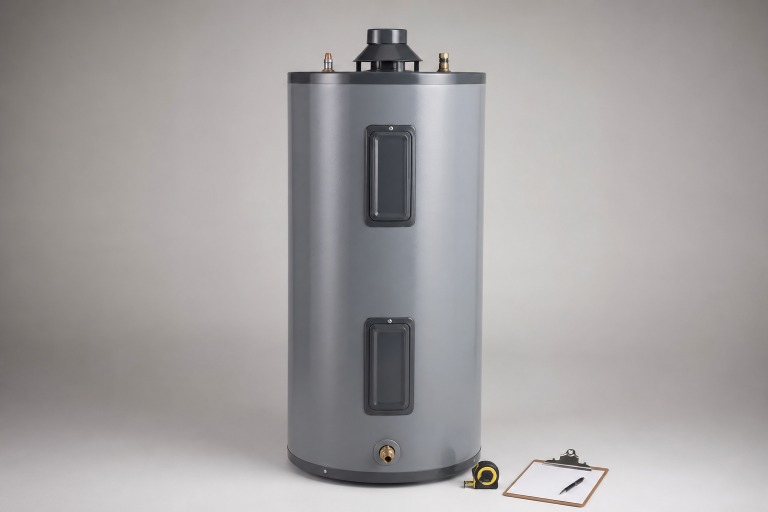
Choosing a new water heater is a major home decision because it affects daily comfort, energy use, and repair costs for years to come. Whether a unit has failed unexpectedly or is nearing the end of its service life, consulting a water heater service in Kansas City can help homeowners understand which options are best for their home before purchasing equipment. The best choice is not automatically the least expensive model or the same capacity as the old unit. A household with two people and staggered showers may have very different needs from a family that runs two showers, a dishwasher, and laundry during the same busy hour.
Why Water Heater Choice Deserves Careful Thought
Water heating can represent a meaningful share of a home’s energy use, so the purchase price tells only part of the story. A lower-cost tank may be practical for some homes. At the same time, a higher-efficiency heat pump or tankless system may provide better value when utility costs, expected use, and installation conditions support it. Start by considering total ownership cost. That includes the unit, labor, permits, potential gas or electrical upgrades, routine maintenance, and the energy required to deliver hot water over time. Replacing an older heater with an identical model can be sensible, but only after confirming that household routines have not changed.
Start With Your Household’s Hot Water Profile
Before comparing brands or technologies, write down how your household actually uses hot water. Focus on the busiest period of the day rather than average daily consumption.
- How many people live in the home?
- How many showers may run during the busiest hour?
- Are showers long, or do they use high-flow rain heads?
- Does the dishwasher or washing machine often run at the same time?
- Is there a large soaking tub, spa tub, or other high-demand fixture?
An undersized system can leave occupants with lukewarm water during peak use. An oversized storage tank may spend more energy keeping extra water hot when it is rarely needed.
Compare the Main Water Heater Types
Storage Tank Water Heaters
Traditional storage water heaters hold a set amount of heated water in a tank and reheat it after use. They are familiar, widely available, and often have a lower upfront equipment cost. Their limits are standby heat loss and finite stored capacity. Tank size, fuel type, and recovery rate determine how well a model handles consecutive showers and appliance use.
Tankless Water Heaters
Tankless units heat water as it flows through the appliance, so they do not keep a large tank of water hot between uses. They can save floor space and provide a continuing supply when correctly sized. However, a tankless installation may require larger gas piping, added electrical capacity, specialized venting, or water treatment in areas with mineral-heavy water.
Heat Pump Water Heaters
Heat pump water heaters move heat from the surrounding air into the stored water, rather than generating all the heat directly with electric resistance elements. They can be highly efficient, especially in suitable utility rooms, basements, or garages. The space and airflow requirements for heat pump water heaters should be carefully reviewed, as these units may produce noise, cool the surrounding area, and require a condensate drain.
Use Efficiency Ratings the Right Way
Uniform Energy Factor, commonly called UEF, is a standardized measure used to compare water-heater efficiency. In general, a higher UEF indicates that a comparable unit uses energy more efficiently under test conditions. It is most useful when comparing similar products, not as the only basis for choosing between unrelated technologies. Local energy prices and usage patterns still affect actual savings. The life-cycle cost approach to efficient water heater purchases is useful because it considers energy costs over the equipment’s expected life rather than focusing only on the sticker price.
Size the System for Peak Demand
For Storage Tanks
Review both tank capacity and first-hour rating. First-hour rating estimates how much hot water a unit can provide during a high-use hour, accounting for stored water and recovery. A larger tank is not always required if the unit has a strong recovery rate that matches the household’s schedule.
For Tankless Systems
Add the flow rates of fixtures likely to operate simultaneously, then account for the temperature rise required to raise the incoming cold water to the desired hot-water temperature. A unit’s gallons-per-minute rating changes with that temperature rise, so manufacturer charts are a starting point, not a substitute for professional sizing in larger or complex homes.
Review Installation Requirements Before Buying
A low equipment price can become costly if the home needs upgrades. Confirm available floor or wall space, service access, electrical-panel capacity, gas-line size, venting, combustion air, drainage, and overflow protection before committing to a model. Local permits and inspections may also apply, particularly when changing fuel type or relocating equipment.
Budget Beyond the Purchase Price
- Equipment and delivery costs.
- Professional installation and old-unit disposal.
- Permits, inspections, and code-related changes.
- Electrical, gas, plumbing, venting, or drainage upgrades.
- Maintenance, replacement parts, and expected energy use.
Request two or three written estimates that separate labor, equipment, upgrades, warranty terms, and exclusions. This makes it easier to identify whether a lower quote leaves out necessary work.
Know When Repair May Be Better Than Replacement
Some issues, including faulty thermostats, heating elements, fittings, valves, or sediment-related performance problems, may be repairable. Replacement is often more appropriate when the storage tank itself leaks, hot water repeatedly turns rusty, breakdowns keep recurring, energy use rises sharply, or the equipment no longer meets household demand.
Plan for Maintenance and Safety
Keep the area around the unit clear and watch for leaks, unusual noises, or changes in water temperature. Storage tanks may require sediment flushing and anode rod inspections per the manufacturer’s schedule. A qualified professional should handle gas connections, electrical components, venting, and pressure-relief valve concerns. Never bypass a safety control or ignore a leaking relief valve.
A Simple Water Heater Selection Checklist
- Document peak hot-water use and simultaneous fixtures.
- Identify available fuel sources, utility rates, and installation space.
- Compare tank capacity, first-hour rating, or tankless flow output.
- Confirm electrical, gas, venting, drainage, and permit requirements.
- Compare full installed cost, maintenance needs, warranty coverage, and estimated energy use.
- Choose the model that fits real household habits, not just the lowest initial price.
Conclusion
The right water heater is designed around the home and the people living in it. By evaluating peak demand, system type, efficiency, installation conditions, maintenance needs, and long-term operating costs, homeowners can select equipment that provides dependable hot water without paying for unnecessary capacity or facing avoidable installation surprises. Considering the household’s future needs can also help ensure the system remains practical as routines, occupancy, or water usage change over time. A well-planned choice can improve comfort, reduce energy costs, and deliver reliable performance for years.
