How PPF Training Programs Help Technicians Develop Hands-On Skills
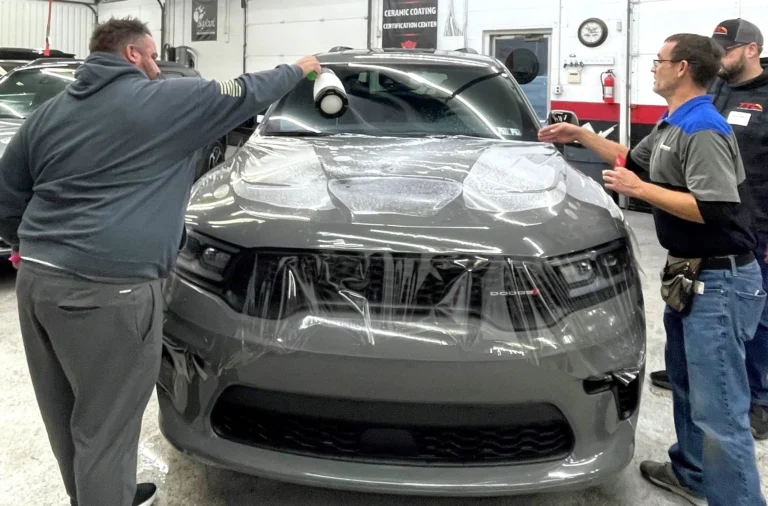
Paint protection film (PPF) installation has become one of the most valuable skills in the automotive appearance industry. Industry estimates …

 ENGRNEWSWIRE
Paint protection film (PPF) installation has become one of the most valuable skills in the automotive appearance industry. Industry estimates …

Every commercial enterprise wants to grow. But growth without a path is just enlargement, and enlargement without a monetary approach …

Applied Behavior Analysis (ABA) is a scientifically grounded approach that aims to understand and positively influence behavior through systematic interventions. …
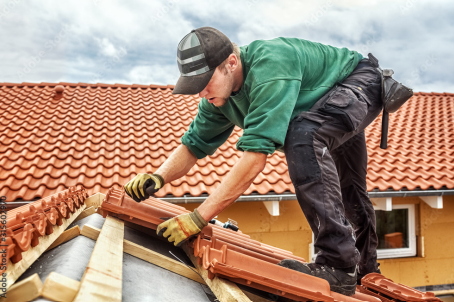
When hiring a roofing contractor, asking the right questions can help you identify a qualified professional and make sure your …

The materials inside a military-grade drone, a tactical vest, or an armored vehicle panel don’t stay inside the defense sector forever.

What Your Truck’s Drivetrain Is Actually Telling You Before It Fails Most truck owners pay close attention to the engine. …
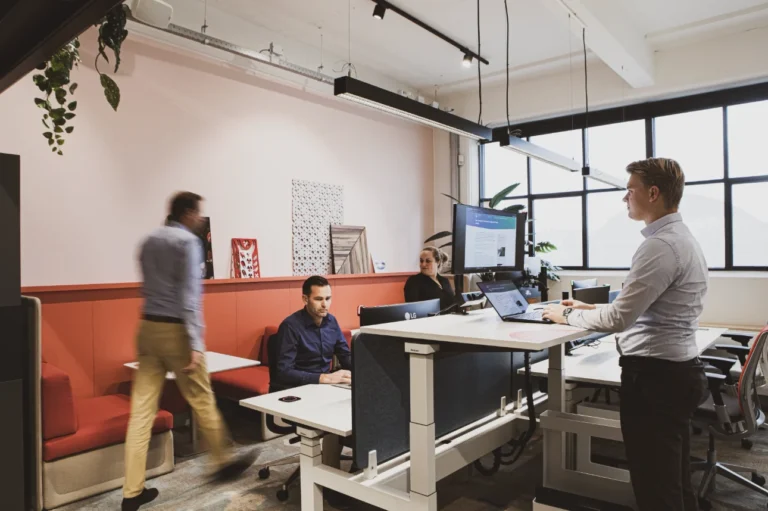
As businesses redefine productivity and collaboration, the importance of the smart office has rapidly increased. Enhanced connectivity, automation, and an …
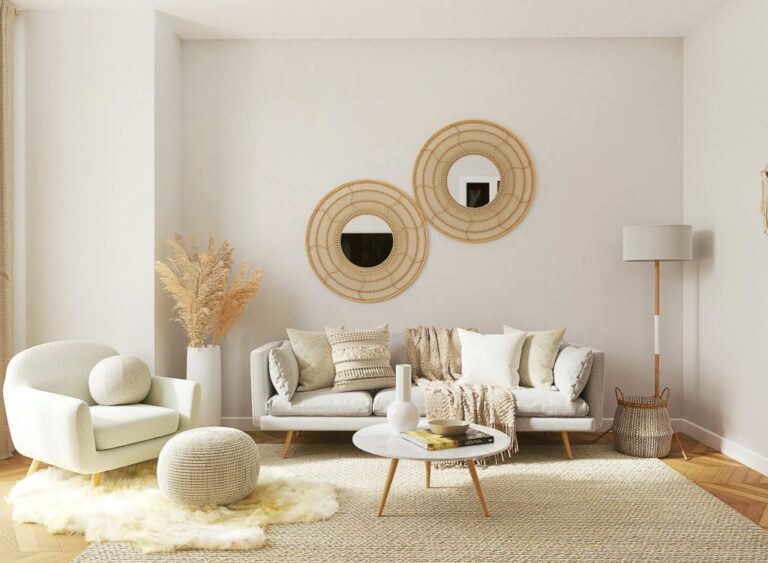
For years, the dominant conversation in interior design centered on color — the right shade of white, the boldest accent wall, the most strategic pop of contrast. That conversation is shifting. Texture has quietly moved from a supporting detail to a primary design driver, reshaping how residential and commercial spaces communicate mood, identity, and intention. This is not a passing trend. It reflects a deeper change in how people relate to the spaces around them — and what they expect those spaces to deliver. From Flat to Tactile: A Design Philosophy Shift Minimalism dominated the design landscape for over a decade. Clean lines, stripped surfaces, and uninterrupted planes defined what modern looked like. The result was visually calm — but for many people, ultimately cold. Spaces felt efficient without feeling alive. Tactile design fills that gap. When surfaces carry depth — whether through woven textiles, rough stone cladding, ribbed millwork, or textured glass — they create sensory engagement that flat surfaces cannot. A room that rewards a closer look holds attention differently than one that reveals itself entirely from the doorway. Interior designers increasingly treat texture as a tool for controlling experience. A rough wall slows a person down. A smooth reflective ceiling opens upward. A surface that diffuses light rather than transmitting it directly introduces softness without changing the color palette at all. …