
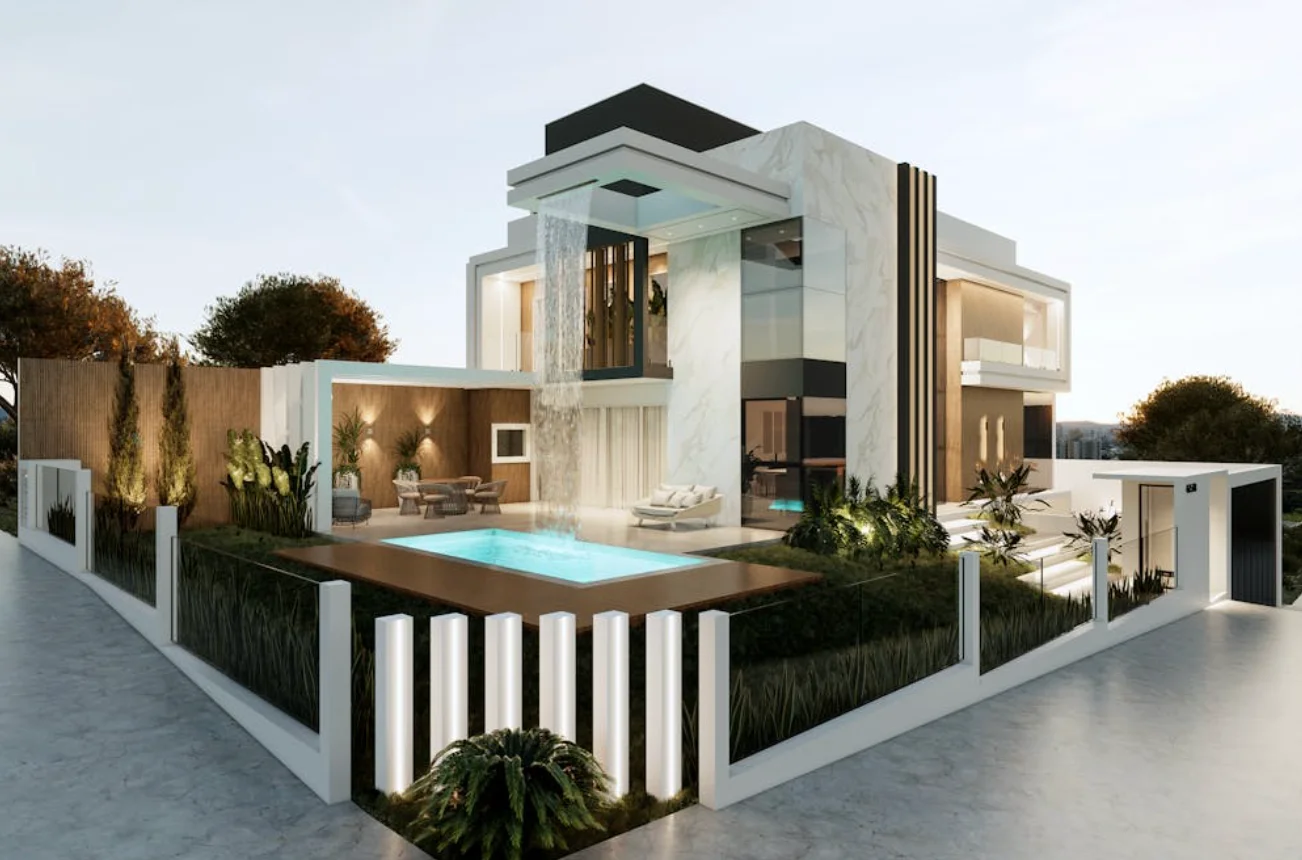
Custom home building is rapidly transforming, driven by homeowners’ desire for unique living spaces that reflect individual styles, values, and priorities. As market demand shifts, builders are responding with innovative approaches that emphasize personalization, eco-friendly design choices, and advanced technology. The evolution of custom residential construction is setting new industry standards for what a modern home can and should be.
In 2026, these trends signal a significant shift toward thoughtful customization and a deeper awareness of environmental impact. With more families seeking homes tailored to their needs, both now and in the future, designers and builders are finding inventive ways to meet those expectations. Early adoption of sustainable materials and smart technologies is also becoming an important differentiator in competitive markets.
Rising Popularity of Custom Home Building
Custom home building is experiencing significant growth, with 51,000 projects initiated in Q3 2025, representing a 6% increase from the previous year. This sector is less affected by interest rate fluctuations compared to larger housing developments, as it caters primarily to affluent buyers focused on long-term financial stability. According to Forbes, the demand for bespoke homes is strengthening, as buyers increasingly seek properties that align with their lifestyles and aspirations, moving away from standardized options. This shift is driving innovative architectural designs and unique industry trends, as families prioritize homes that support their hobbies and wellness needs.
Emphasis on Personalization and Unique Design
Personal expression is at the forefront of 2026’s home design trends. Today’s custom homeowners value individuality, selecting layouts, materials, and details that tell their story. The movement away from standard, mass-produced finishes is driving experimentation with bold colors, textured surfaces, and the integration of meaningful, collected objects into living spaces.
This “found luxury” approach goes beyond traditional notions of opulence. Inspired by curated maximalism and vintage finds, homeowners are working with architects to construct spaces that evoke comfort, warmth, and a sense of history. Custom cabinetry, artisanal tiles, and repurposed materials are now commonly focal points in highly personalized interiors.
Sustainability and Eco-Friendly Materials
Sustainability has moved from being a niche consideration to a primary driver of custom construction decisions. Builders are adopting low-impact materials, including engineered woods, recycled steel, and prefabricated straw panels, to reduce each home’s overall carbon footprint. Many new builds incorporate passive solar principles, improved insulation, and energy-efficient HVAC systems to enhance long-term performance and indoor air quality.
Maintaining these advanced systems is just as important as the initial installation to ensure they continue to provide optimal comfort. For homeowners in specific regions, finding local expertise for seasonal maintenance or unexpected issues is a key part of property management. For instance, those residing in Texas can rely on specialized ac repair Midland to keep their cooling units running efficiently during the peak summer months. Regular check-ups help preserve the efficiency of high-performance equipment and contribute to a more sustainable, long-lasting home environment.
Maintaining these advanced climate systems is just as important as the initial installation to ensure the home remains efficient and comfortable through every season. In regions with varying temperatures, having a professional team available for routine check-ups can prevent minor mechanical issues from becoming major inconveniences. For those who need to find specialized assistance for their cooling and heating needs, they can click here to connect with experienced technicians. Regular servicing helps preserve the life of the equipment, supporting the overall sustainability goals of a custom-built modern residence while keeping utility costs manageable year-round.
Integration of Smart Home Technologies
Smart technology now defines the standard for custom home functionality. In 2026, homeowners expect sophisticated automation that controls climate, lighting, security, and entertainment from a single interface. Features like wellness rooms with integrated meditation apps, kitchens equipped with touchless appliances, and immersive audio-visual environments are no longer special requests but mainstream requirements. These smart systems cater to individuals seeking homes that support their health, productivity, and relaxation, all with ease and efficiency.
When integrating these setups into a new build, proper installation ensures long-term comfort and energy management throughout the home. Working with experienced technicians like Boulder Heating and Air Pros helps ensure that advanced climate controllers and zoning configurations function precisely as intended. Early planning for these components helps avoid unexpected maintenance issues down the road.
Flexible and Multifunctional Spaces
As remote work and multifunctional living become commonplace, the demand for adaptable interior spaces continues to grow. Homeowners want rooms that can serve dual purposes, such as home offices that easily transform into guest suites or dining rooms that accommodate both formal dinners and children’s school projects. Open floor plans are increasingly reimagined to allow for sliding partitions, hidden storage, or modular furnishings, reflecting modern families’ desire for homes that seamlessly evolve as their priorities shift.
Wellness-Focused Features
Supporting physical and mental health through thoughtful design is now a leading priority. Many new custom homes include dedicated wellness rooms for yoga or meditation, spaces with natural daylight and abundant greenery, and the strategic use of non-toxic, organic materials. Water filtration systems, circadian lighting, and advanced air purification are frequently included to promote holistic well-being, affirming a larger movement toward well-being-centered architecture. Industry leaders have highlighted the shift in demand as consumers increasingly embrace homes that nurture body and mind.
Conclusion
The custom home building market in 2026 represents an exciting era of creative, eco-conscious, and technology-driven housing. Builders who stay attuned to these evolving trends, personalization, sustainability, smart integration, flexible spaces, and an emphasis on wellness, will be best positioned to deliver homes that truly reflect modern life. For homeowners, these advancements mean greater freedom to design environments that reflect their unique vision while also providing lasting comfort, efficiency, and value.

Sarah Wilson is a versatile writer who covers a wide range of topics, with a strong specialty in entertainment. She delivers engaging, insightful content focused on movies, celebrities, trends, and pop culture.