
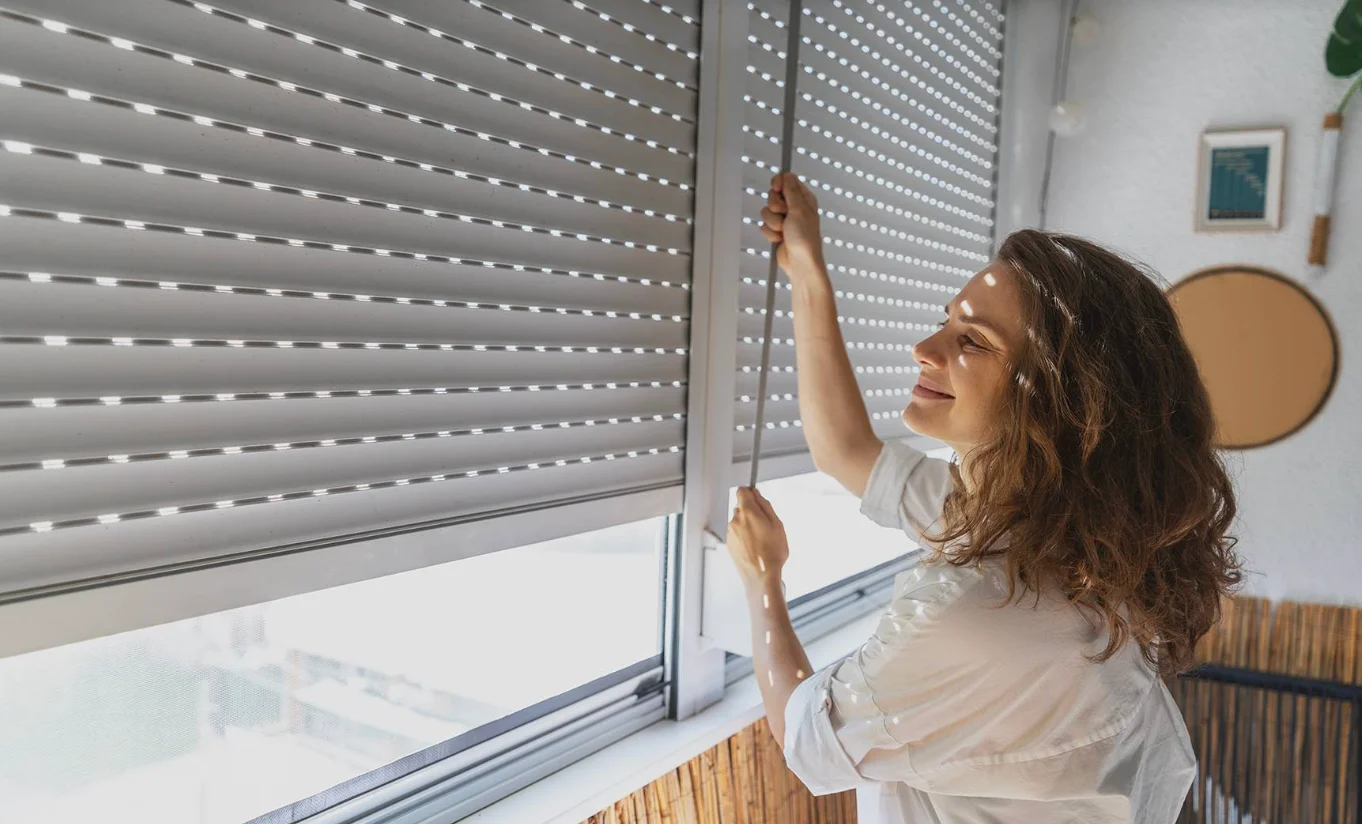
For a lot of Houston homeowners, buying custom blinds now means ordering them online. And the first time, it can feel like a gamble. You’re spending real money on something cut to measurements you took yourself, sight unseen, with no salesperson to blame if it shows up wrong. Plenty of people put it off for that exact reason and keep living with the bent mini blinds from three apartments ago.
It’s less of a leap than it looks, though. Online prices are usually better, the selection is wider, and the whole thing mostly comes down to getting a few small details right up front. Mess up the measuring or skip the samples, and the order can go sideways. Handle those two carefully and the rest tends to fall into place.
Here’s how to order window treatments online and end up glad you did.
Why the Online Worry Is Mostly Overblown
The fear makes sense. A blind that’s half an inch too wide won’t fit, and you can’t return a custom-cut shade like a pair of jeans. But the things that go wrong are predictable, which is the same as saying they’re avoidable.
Most bad online orders trace back to one of three slips: sloppy measurements, guessing at color off a screen, or not reading the fine print on returns. None of those need any special skill to dodge. They just need a little patience on a Saturday morning instead of a rushed five minutes before bed.
So slow down for the parts that matter. We’ll go through them.
How Houston Sun Shapes Your Window Choices
A quick word on local conditions, since they shape what you’ll want. Houston gets a lot of sun, and it stays bright and direct for big stretches of the year. South- and west-facing rooms take the brunt of it, with glare that washes out screens by mid-afternoon and light strong enough to fade hardwood, rugs, and upholstery over time.
That pushes a lot of Houston homeowners toward serious light control. Solar shades cut glare and filter UV while keeping your view, which suits living rooms and home offices that face the sun. For rooms where you’d rather block the light outright, faux wood blinds and room-darkening shades do the job. Plenty of Houston homes have big windows and wide patio sliders too, so it’s worth checking that whatever you choose comes in sizes that cover them. Vertical blinds and panel tracks handle the widest openings.
Measuring Is the Part That Decides Everything
If you do nothing else carefully, do this. Blinds get cut to the exact numbers you submit, so the tape measure is doing more work than your taste in colors ever will.
Decide on inside mount versus outside mount before you measure, because the numbers change. An inside mount tucks the blind into the window frame for that clean built-in look, but the frame has to be deep enough to hold it. An outside mount sits on the wall or trim above the window, hides a rough frame, and blocks side light better.
Then grab a steel tape measure, not a cloth one, since fabric tapes can stretch and introduce measurement errors. Measure each window on its own even when they look like twins, because older homes are full of frames that drifted out of square over the years. Measure the width at the top, middle, and bottom of the opening, and the height at the left, center, and right. Inside-mount blinds are usually ordered with the narrowest width and the tallest height, but always follow the measuring guide for the specific product you’re buying, since the exact rules shift a little between manufacturers and mount types. Write everything down as you go, because trusting your memory two windows later is how mistakes happen.
Order Samples, Don’t Trust Your Screen
Color on a screen is a rough guess at best. A white that looks bright and clean online can turn dull and grey on your wall, and wood stains are even worse for shifting on you. The only real test is the swatch in your own light.
This part is cheap and easy. Most window covering retailers will mail you free swatches so you can see what a color does in your space instead of guessing off a screen. The better ones make it painless. You can learn more at Blindster and order up to ten samples for free, which gives you plenty of finishes to compare side by side, and they typically ship within a business day. Hold them against your trim, check them in morning light and again under your lamps at night, and let them sit before you decide. It’s a tedious step, but it’s the one that saves you from a return.
Match the Shade to the Room, Not the Other Way Around
Once measuring and color are handled, think about what each room is asking for. A living room usually wants glare control and some privacy without going pitch dark. A bathroom needs a material that stands up to steam and splashes, so faux wood or vinyl beats real wood there. A home office mostly needs the glare off your monitor, which is where solar or light-filtering shades come in.
Bedrooms are their own thing. That’s where you want real darkness, and it’s worth getting right. The Sleep Foundation points out that light is the biggest outside factor affecting how you sleep, since it controls melatonin and your body’s internal clock. Blackout shades block almost all incoming light, which is why they end up in nurseries and the homes of people who work nights. If a sliver of streetlight down the side still bothers you, an outside mount closes that gap.
The Cord Question, if There Are Kids or Pets Around
This one’s quick, but it matters more than the rest combined. Dangling and looped cords are a real strangulation hazard for small children. The U.S. Consumer Product Safety Commission recommends cordless window coverings in any home where kids live or visit.
The good news is that the industry has shifted. Since a 2018 safety standard, most stock blinds and shades sold in the U.S. come cordless or with the inner cords kept out of reach, and motorized and cordless lifts are easy to find now. When you’re ordering, check the lift type listed on the product page. It’s not only about kids, either. Cordless options also lower the risk for curious pets that might get tangled in a dangling cord.
Read the Return Policy Before You Click Buy
Custom means made for you, which usually means limited returns, so the fine print earns two minutes of your time. Look at whether the company stands behind its own measuring and cutting if something arrives off. Some retailers back a remake when you followed their measuring guide and the fit’s still wrong, and that takes a lot of the fear out of the whole process.
Check the warranty too, and how they deal with damage in shipping. A clear, generous policy is a quiet signal that the company expects you to be happy, not just to take your money and disappear.
Where to Find Them in Person Around Houston
Some people want to see and touch blinds before buying, and that’s fair enough. If you’d rather start at a showroom or you’re hunting for a local Houston spot, the map below can point you in the right direction.
Even a quick in-person look can settle a color debate fast, and then you can order online once you know exactly what you want.
Before You Order
Quick rundown, since we covered some ground. Measure every window on its own with a steel tape, and follow the product’s own guide on which numbers to use. Get free samples and judge them in your own light, morning and night. Match the shade to what the room needs, dark in bedrooms, water-resistant in bathrooms. Go cordless if kids or pets are in the picture. And don’t skip the return policy.
None of it is hard. It’s the difference between blinds you forget about because they just work, and blinds that nag at you every day. Take the slow route once and you’re set for years.

Sarah Wilson is a versatile writer who covers a wide range of topics, with a strong specialty in entertainment. She delivers engaging, insightful content focused on movies, celebrities, trends, and pop culture.