
In today’s world, energy efficiency is not just a trend; it is a necessity for households seeking to reduce costs and act responsibly amid rising energy demands. Technological advances, especially in home automation, are greatly improving the way we heat water in our homes. Homeowners seeking to upgrade their systems are increasingly turning to water heater experts serving Utah for guidance on adopting these smart solutions. With traditional water heating among the largest contributors to home energy use, embracing smart technology offers a path to significant energy savings and greater control.
Smart water heaters leverage digital features, including predictive sensors and remote controls, to not only improve the user experience but also significantly reduce wasted energy. This evolution in water heating makes it easier for homeowners to lower their monthly bills and their carbon footprint without sacrificing daily convenience.
Beyond water usage, optimizing a home’s entire climate footprint requires looking at how different mechanical elements interact. Coordinating high-efficiency units with a responsive hvac Spring setup can maximize household utility savings. Proper balancing between heating and cooling infrastructure prevents overall energy waste and ensures optimal indoor comfort across all seasons.
Beyond water heater settings, managing the home’s broader climate controls plays a major role in keeping utility bills predictable. If ventilation or thermal systems are not fully balanced, a home may experience drafty rooms or unequal temperatures. Homeowners experiencing inconsistent indoor air distribution or looking to optimize their cooling units can benefit from timely ac repair in Louisville to restore standard airflow and improve seasonal efficiency throughout the property.
The Rise of Smart Water Heaters
Over the past decade, the introduction of smart technology into everyday home systems has changed expectations for performance and convenience. Smart water heaters stand at the forefront of this shift. These modern units let users monitor and manage their water heater settings from virtually anywhere.
Beyond convenience, these systems also support overall equipment health by tracking operational demands over time. Homeowners who want to ensure their heating and cooling setups run efficiently often seek out reliable regional professionals like Woodruff and Smith Heating and Cooling, Inc. to guide their upgrades. Regular upkeep and proper configuration help reduce energy waste while keeping monthly household utility expenses manageable.
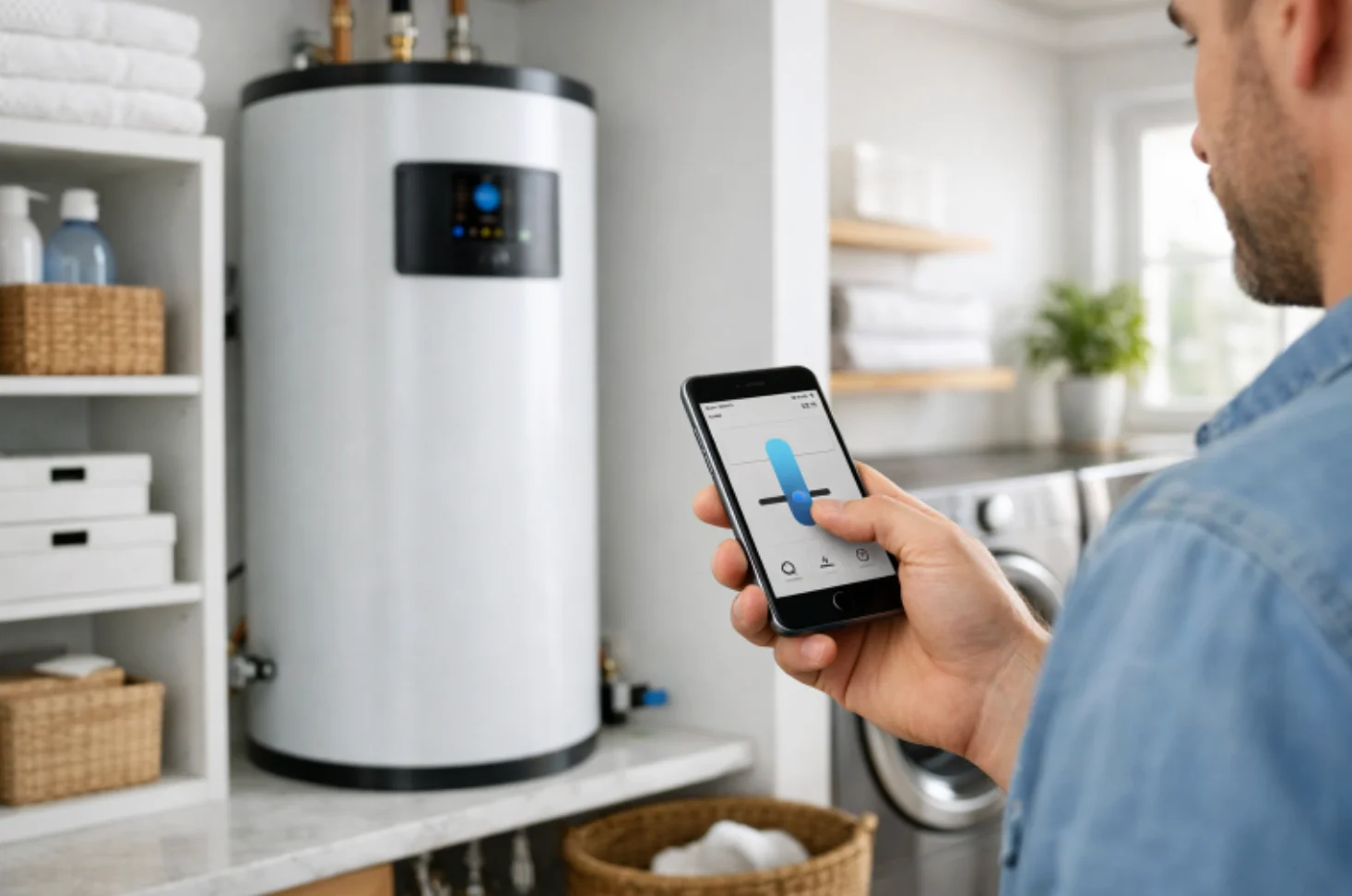
Homeowners can adjust water temperature, set heating times to coincide with their household routine, and receive real-time maintenance notifications, all from an app on their smartphone.
The result is a new level of control that was not possible with older, manual units. Not only does this enhance comfort in the home, but it also translates to significant energy savings. By heating water only when needed and quickly identifying maintenance issues, modern water heaters avoid waste and minimize the risk of costly, energy-intensive problems.
While automation optimizes these modern configurations, unexpected issues in underlying lines can still impact overall household utility performance. Keeping a home’s infrastructure running smoothly requires addressing hidden pipe leaks or pressure imbalances early. Homeowners seeking to protect their property value and maintain daily efficiency can rely on professional home plumbing repair support in Portland to secure their essential utility networks against unexpected breakdown.
Advanced Features Enhancing Efficiency
The efficiency of smart water heaters boils down to several core technological features that set them apart from traditional models. First, predictive sensors eliminate the guesswork from heating schedules.
While automating water temperature manages a significant portion of home power bills, achieving true residential efficiency requires looking at the property holistically. Maintaining your broader heating and ventilation configurations is just as vital as optimizing specialized appliances. Homeowners looking to establish comprehensive climate control can consult with experienced professionals providing hvac in Henderson to ensure all mechanical systems work together efficiently.
These systems learn and analyze patterns in household water use, ensuring hot water availability at peak times without unnecessarily heating water when it is not needed.
- Predictive Sensors: By analyzing water-use patterns, these sensors create optimized heating schedules that deliver on-demand comfort while minimizing standby energy losses.
- Remote Monitoring: Through dedicated smartphone apps, users can check their energy usage, change operating modes, and receive instant alerts about potential malfunctions or required maintenance. This not only boosts efficiency but also extends the unit’s life by addressing issues before they become severe.
- Integration with Renewable Energy: Many new smart water heater models can connect with home solar panel systems. They can use excess solar production during the day to heat water, thus further reducing reliance on the grid and taking another step toward energy independence.
Real-World Examples
Several leading appliance companies have pioneered smart water heater technologies. GE Appliances, for instance, has developed the GEOSPRING™ Smart Hybrid Heat Pump Water Heater. This model boasts energy efficiency nearly five times that of a standard electric water heater and includes features like FlexCapacity, which allows homeowners to quickly access more hot water during high-demand periods. Details about the GEOSPRING system can be found at GE Appliances Newsroom.
Another innovator in this space is Cala Systems, which is bringing to market 65-gallon smart heat pump water heaters with advanced predictive sensors, solar energy syncing features, and the ability to avoid heating during expensive peak electricity hours.
Benefits of Smart Water Heaters
- Energy Savings: Optimized heating schedules and reduced standby losses can significantly reduce monthly energy bills.
- Environmental Impact: Increased efficiency means fewer emissions and a reduced reliance on traditional energy sources, contributing to lowered carbon footprints worldwide. According to the U.S. Department of Energy, water heating accounts for about 18 percent of a home’s energy use; investing in high-efficiency models can drive significant savings.
- Convenience: Whether for a busy family or individuals on the go, features like app-based controls and instant alerts enhance peace of mind and home comfort.
Considerations Before Upgrading
- Initial Investment: While the cost of a smart water heater is often higher than that of a basic model, the operational savings over time can make the investment worthwhile for many homeowners.
- Compatibility: Ensure your existing plumbing and electrical systems can support a new smart water heater before scheduling installation.
- Installation: Because smart heaters involve technology and sometimes electrical modifications, professional installation is usually required, adding to the upfront cost but ensuring optimal performance.
Conclusion
Smart home technology is reshaping how we heat water, marrying convenience and savings with an eye toward sustainability. As adoption continues to grow, smart water heaters are set to become a household standard, empowering residents to control their energy use and take meaningful steps toward a greener future.

Sarah Wilson is a versatile writer who covers a wide range of topics, with a strong specialty in entertainment. She delivers engaging, insightful content focused on movies, celebrities, trends, and pop culture.