
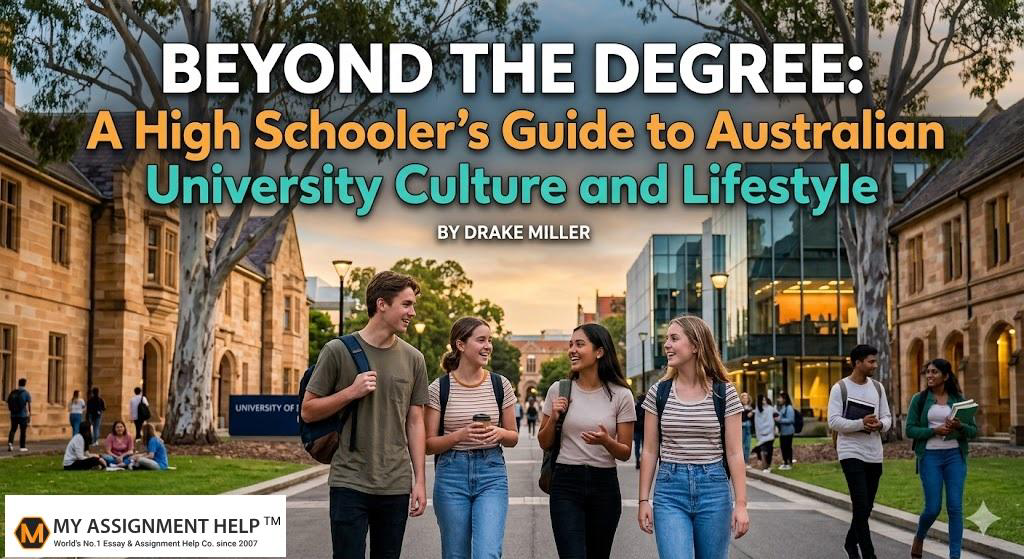
Beyond the Degree: A High Schooler’s Guide to Australian University Culture and Lifestyle
For high school students currently navigating the pressures of their Year 12 exams and international applicants eyeing a move Down Under, the prospect of entering an Australian university is often viewed through a narrow lens: ATAR scores, academic rankings, and career outcomes. However, the reality of the “Australian Uni” experience extends far beyond the lecture theatre. In Australia, higher education institutions act as micro-societies that fundamentally reshape how students live, socialize, and perceive the world.
From the sun-drenched campuses of the University of Queensland (UQ) to the bluestone heritage buildings of Melbourne and the coastal vibes of UWA in Perth, the Australian university system fosters a unique culture. It is characterized by fierce independence, a multicultural heartbeat, and a “work hard, play hard” ethos. This guide explores the various ways these institutions shape the lifestyle and identity of their students, offering a roadmap for what to expect when you finally trade your school uniform for a university hoodie.
1. The Move to the Big City: Share Houses and Independence
In many global education systems, the transition from high school to university is a rigid, supervised extension of home life. In Australia, the shift is often a “sink or swim” introduction to the “Adulting Curve.”
For domestic students, especially those moving from regional areas to major hubs like Sydney, Melbourne, or Brisbane, the university experience is defined by the iconic “share house” culture. This is a rite of passage involving the search for affordable rentals in suburbs like Newtown, Carlton, or West End. Learning to budget for groceries at Coles or Woolies, navigating the complex public transport systems of the and balancing a part-time job with a full-time study load are essential skills. Universities facilitate this by offering extensive student services, but they ultimately treat students as adults responsible for their own success. This autonomy builds a resilient lifestyle where self-management becomes a core skill long before graduation.
2. A Melting Pot of Global Perspectives
Australia is home to one of the highest percentages of international students in the world. This demographic reality creates a campus culture that is inherently cosmopolitan and vibrant. On any given day at a major institution like the University of New South Wales (UNSW) or Monash University, a student might collaborate on a project with peers from Beijing, Mumbai, London, and regional New South Wales.
This exposure shapes a student’s lifestyle by normalizing cultural diversity from day one. Food festivals, language exchange clubs, and international film nights are staples of the campus calendar. For a high school student entering this environment, the most significant change is the expansion of their worldview. They move from a localized high school circle to a global network, influencing everything from the food they eat to the global social issues they champion.
3. The “Work-Study-Life” Triangle: The Hustle Culture
One of the most defining features of Australian student culture is the prevalence of part-time work. Unlike some countries where students focus exclusively on academics, the vast majority of Australian undergraduates hold jobs in retail, hospitality, or tutoring.
Australian universities shape this lifestyle by offering flexible scheduling. With many lectures recorded and tutorials available at various times, students curate a lifestyle that accommodates financial independence. However, balancing a busy shift at a café with complex coursework can be a challenge; many students often seek managerial accounting assignment help to ensure they maintain their grades while meeting their professional commitments. This “hustle culture” teaches time management and professional etiquette. It isn’t uncommon for a student to attend a lab session in the morning and wait tables at a trendy café in the evening. This balance is a cornerstone of the Australian “fair go” spirit—earning your way while you learn.
4. The Role of “Student Unions” and Specialized Societies
If the classroom is the brain of the university, the clubs and societies are its heart. Australian universities are famous for their robust student unions and specialized niche clubs. Whether it’s a “Chocolate Appreciation Society,” a competitive debating club, or a high-stakes robotics team, these organizations provide the primary social framework for students.
These societies bridge the gap between different faculties. An engineering student might meet a law student through a shared love of surfing, photography, or social justice. This interdisciplinary socializing prevents students from becoming “siloed” in their specific fields, fostering a culture of curiosity and broad social networks that often last a lifetime.
5. Navigating Academic Pressures with Professional Support
While the lifestyle is often social and active, the academic rigor of Australian universities—governed by the Australian Qualifications Framework (AQF)—is intense. This high standard can lead to significant academic stress, particularly during “Stuvac” (study vacation) and exam periods.
This is where the culture of peer support and proactive problem-solving shines. While study groups are a fundamental part of the lifestyle, the modern student understands the value of professional academic support when the pressure becomes overwhelming. For those struggling to balance a 20-hour work week with complex research papers, seeking specialized assistance is a pragmatic choice.
Many students looking to maintain their grades while managing a busy lifestyle turn to Myassignmenthelp to bridge the gap in their understanding of complex subjects. This culture of seeking help—whether from on-campus tutors, peer mentors, or professional online resources—is a hallmark of the modern Australian approach to achieving a balanced life without sacrificing excellence.
6. Mental Health and Wellbeing: A Modern Campus Priority
In recent years, Australian universities have taken a leading role in shaping a lifestyle centered on mental health and holistic wellbeing. The “grind” of university life is now balanced with “R U OK?” days, meditation workshops and accessible on-campus counseling.
This focus has shifted the culture away from the high-stress, “all-nighter” mentality of previous generations. Students are encouraged to prioritize their mental state, leading to a lifestyle that values work-life balance. Modern campuses now feature “chill-out zones,” sleep pods, and green spaces designed specifically for de-stressing, reinforcing the idea that academic success should not come at the cost of personal health.
7. The Digital Nomad Student: Mobility and Tech
The Australian higher education sector was a pioneer in integrating technology into the student lifestyle. Even before the global pandemic, “blended learning” was the norm. This has created a lifestyle defined by mobility and digital literacy.
Students are no longer tethered to the library. You will find them studying in botanical gardens, beachside cafes, or on the train commuting via Opal or Myki cards. This flexibility allows students to integrate their education into their lives, rather than revolving their lives entirely around a physical campus. For high schoolers, this means the future of their education is one of freedom, but it also requires a high degree of self-discipline.
8. Sports and the Great Outdoors
Given Australia’s climate, the university lifestyle is inextricably linked to the outdoors. “UniSport” competitions are a major part of the annual calendar, with “Intervarsity” games sparking fierce but friendly rivalries between states.
From rowing on the Yarra River to surfing clubs at the University of Wollongong, the lifestyle is active and health-conscious. Even for non-athletes, the campus culture encourages movement. The “Wednesday Afternoon Sport” tradition remains a fixture in many institutions, shaping a lifestyle where physical health is celebrated as much as intellectual prowess.
9. Sustainability and Social Activism
Australian students have a long history of being at the forefront of social change. Today, this manifests as a lifestyle deeply committed to sustainability and environmental stewardship. From plastic-free campuses to student-led climate protests, the university environment shapes students into “global citizens.”
Living sustainably becomes a lifestyle choice for many. Community gardens on campus, clothes swaps, and vegan-friendly dining options reflect the values of the modern Australian student. For high schoolers who are passionate about the environment, university is the place where those passions are codified into lifelong habits and professional career paths.
10. The Path to Career Readiness and WIL
Finally, Australian universities shape lifestyle by blurring the lines between “student” and “professional.” With a heavy emphasis on Work-Integrated Learning (WIL), internships, and industry placements, the final years of a degree often feel more like a junior professional role.
Universities host frequent networking nights, career fairs, and “meet the industry” events. This professionalizes the student lifestyle early on. Students learn to transition from hoodies and sneakers to business casual, developing the “soft skills” required to navigate the Australian corporate or creative landscapes effectively.
Conclusion: Embracing the Australian University Experience
Entering an Australian university is about much more than a degree; it is a total immersion into a new way of living. It is a period of intense growth where you learn to manage your time, respect diverse viewpoints, and take charge of your own future.
The culture is one of balance—where academic excellence meets a relaxed, outdoor-loving, and socially conscious lifestyle. While the journey from high school to higher education can be challenging, the support systems available—from on-campus mentors to professional services from Myassignmenthelp.services —ensure that every student has the tools to succeed. For the high school students of today, the Australian university system offers a vibrant, challenging, and rewarding blueprint for the adults they are about to become.
Frequently Asked Questions
Q.1 What is the biggest difference between high school and university in Australia?
The primary shift is from a supervised environment to total independence. In high school, teachers often prompt you for deadlines. At an Australian university, you are treated as an adult. You are responsible for managing your own timetable, attending lectures, and meeting deadlines without reminders. This “sink or swim” culture is why many students use productivity techniques like time-blocking and digital minimalism early on.
Q.2 Can I work part-time while studying as an international student?
Yes. As of 2024, international students in Australia can work up to 48 hours per fortnight during the semester and unlimited hours during scheduled breaks. Common student jobs include retail, hospitality, and tutoring. This “hustle culture” is a standard part of the lifestyle and helps manage the high cost of living in cities like Sydney and Melbourne.
Q.3 What is “Stuvac” and why is it important?
Stuvac stands for “Study Vacation.” It is a dedicated week (or two) before the final exam period where no classes are held. It is designed to give students time to consolidate their learning. While it’s meant for revision, the “uni culture” often involves intensive study groups and, occasionally, the need for external academic support to manage the sudden influx of final assignments.
Q.4 How do I balance social life with academic pressure?
The key is integration. Joining Clubs and Societies is the best way to meet people outside your faculty. Most successful students follow a “work hard, play hard” ethos, using their weekdays for deep work and their weekends for the iconic Australian outdoor lifestyle—beach trips, hiking, or café hopping.
Q.5 What should I do if I fall behind on my assignments?
Australian universities offer extensive support, including “Academic Skills” workshops and counseling. However, when life gets in the way—such as balancing a job and a heavy course load—many students seek pragmatic solutions. Myassignmenthelp.services can provide the specialized guidance needed to understand complex topics and stay on track with the AQF (Australian Qualifications Framework) standards.
Conclusion: Embracing the Australian University Experience
Entering an Australian university is about much more than a degree; it is a total immersion into a new way of living. It is a period of intense growth where you learn to manage your time, respect diverse viewpoints, and take charge of your own future.
The culture is one of balance—where academic excellence meets a relaxed, outdoor-loving, and socially conscious lifestyle. While the journey from high school to higher education can be challenging, the support systems available—from on-campus mentors to professional services —ensure that every student has the tools to succeed. For the high school students of today, the Australian university system offers a vibrant, challenging, and rewarding blueprint for the adults they are about to become.
About the Author – Drake Miller
I am a passionate blog author associated with Myassignmenthelp.services, dedicated to creating insightful and engaging academic content for students worldwide. With a strong focus on simplifying complex topics, I strive to provide practical guidance, study tips, and valuable resources that support academic success. My goal is to help learners overcome challenges, improve their writing skills, and achieve better results through well-researched and student-friendly content.
