
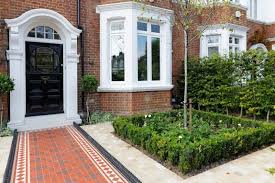
Victorian terraces are unforgiving. They expose every design mistake immediately. The proportions are so precise, the materials so specific, the character so strong, that anything new which doesn’t respect these qualities looks obviously wrong.
Putney has some of the best examples in south west London. Streets of beautifully maintained terraces with consistent rooflines, rhythmic bay windows, and brickwork that’s survived a hundred and thirty years of London weather. These houses weren’t thrown together. They were designed with care. And any work you do on them needs to match that standard.
At Extension Architecture, we’ve worked on Putney architects projects specifically because we understand what these buildings demand. Here’s what Victorian terraces teach you about getting extensions right.
The Proportions Already Exist. Follow Them.
Victorian builders understood proportion instinctively. The ratio of window to wall. The height of ceilings relative to room width. The depth of reveals. The spacing between openings. None of it was random.
When your extension ignores these ratios, it jars. A window that’s too wide for its wall. A roof that meets the original at the wrong angle. An opening that’s too squat or too tall relative to the existing ones.
Your architect studies the proportional language of your specific house before drawing anything new. The extension doesn’t copy the Victorian building literally. But it speaks the same visual language so the two sit comfortably together.
Brick Matching Is Non Negotiable
London stock brick varies. Yellow stocks in some areas. Grey in others. Reds and browns elsewhere. Even within a single street, the exact tone can shift from house to house depending on the original kiln batch.
Your architect takes a physical sample of your existing brick to the supplier and matches it under natural daylight. Not under showroom lights. Not from a photo. The mortar colour gets matched too. And the pointing style.
This process takes a couple of extra days. The cost difference is negligible. But the visual difference between a matched extension and a mismatched one is the difference between professional work and amateur hour.
Side Returns Are Victorian Gold
The side return on a Putney terrace is typically 800mm to a metre wide. A narrow passage between your kitchen wall and the boundary next door. Useless on its own. Transformative when incorporated into a wraparound extension.
That extra width gives you room for a kitchen island. It widens the dining area enough for a proper table. It changes the proportions of the ground floor from a corridor into an actual room.
Combined with a single storey extension at the rear, the wraparound creates an L shaped floor plan that zones naturally. Kitchen along one wall. Dining where the two wings meet. Living area at the back overlooking the garden. No partitions needed. The shape does the work.
Ceiling Heights Cannot Drop
Putney’s Victorian terraces have ground floor ceilings around 2.7 to 2.8 meters. The moment your extension drops to a standard 2.4 meter ceiling, the new room feels compressed.
Match the existing height at a minimum. Go higher if the design allows. A vaulted ceiling in the rear extension that rises to 3 meters creates a room that feels more generous than the original Victorian rooms. That sense of volume makes a modest extension feel far bigger than its footprint.
The Rooms Behind the Extension Still Matter
A beautiful new kitchen at the back of a Putney terrace means nothing if you have to walk through a dark, cramped hallway to reach it. The entire ground floor needs to function as a cohesive sequence.
Can the hallway open up? Can the front reception room connect more directly to the rear living space? Does the flow from the front door to the garden feel natural or does it involve three closed doors and two changes of direction?
These internal changes happen alongside the extension. Same builders. Same program. Same disruption period. But the result is a ground floor that feels complete from front to back rather than a nice new bit stuck onto an unchanged old bit.
Victorian Terraces Reward Patience
The best Putney extensions we’ve designed took longer at the design stage than the homeowner expected. More conversations about proportion. More time sourcing the right brick. More revisions to get the roof light positions exactly right.
That patience produces something the homeowner lives with happily for decades. The rushed extensions, the ones where decisions got made quickly to save a few weeks, are the ones that nag. The brick that’s slightly off. The ceiling feels low. The window that misses the best view by half a meter.
Victorian terraces have lasted this long because someone took time to get them right originally. Your extension deserves the same respect.
