
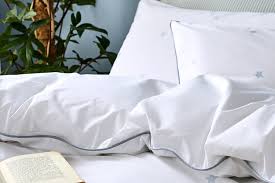
Bedding feels different depending on what it’s made from and how it’s built. Years down the line, its condition mostly reflects daily choices about washing and storage. Though they come from plants, cotton and linen stand up well over time, if treated with attention. What matters most isn’t just the start but what happens after
Cotton And Linen React Differently To Care
Cotton Bedding Durability Factors
Folks pick cotton sheets a lot; they feel gentle on the body, yet hold up well after many washes. Even so, air moves through them easily, keeping things comfortable no matter the season. Depending on how they’re woven or how heavy they are, there’s usually a version that fits how you like to sleep.
Washing Method Affects How Long Clothes Last
The Impact Of Extreme Temperatures And Strong Cleaning Agents
Fibers in cotton and linen start to break down when washed in hot water, since heat messes with their internal bonds. Over time, this damage shows up as thin spots, fuzz balls, and a rough feel in bed sheets. Strength fades slowly, leaving fabric fragile where it once held up well.
Gentle Washing Keeps Fabrics Softer Longer
Start things off with cool or warm water, and use a small amount of mild liquid soap. The washer should run slow, maybe gentle, maybe regular, depending on how much there is inside. Cotton and linen keep their strength when treated like this. What makes them feel right stays intact
Washing Bedding Sets: How To
Water Temperature
When caring for natural fiber Bedding during routine washes, cold water works best. Instead of hot, go cool or slightly warmer, around 86°F does fine. This range cleans well while skipping the strain heat puts on fibers.
Detergent Selection
A few drops of gentle soap, just enough for how much laundry you have, clean clothes well. Instead of leaving behind harsh residues like powdered versions might, it mixes smoothly into the water. Less sharp stuff builds up when using this kind. Some strong blends push pH too far, but this one keeps the balance. It works without making conditions rough on the fabric.
Drying And Storing For Lasting Quality
Low Heat Or Air Drying
A gentle spin in the dryer keeps cotton and linen sheets safer than high temperatures ever could. Heat cranked too high pulls fibers tight, adds strain, and breaks down fabric strength. This one choice wears out bedclothes faster than anything else done during washing.
Proper Storage
Fresh air moves through cotton sacks where sheets wait patiently, keeping fibers strong and smelling clean over time. Plastic wraps hold stillness inside, locking in tiny bits of damp that grow sour scents when left too long.
Care By Bedding Layer
Sheets And Core Bedding Sets
Fresh against your skin each night, sheets trap sweat, oil, and tiny bits of dust; cleaning keeps them hygienic. Most people should wash their hands once every seven to fourteen days when things stay typical. If acne, sensitivities, or heavy nighttime sweating enter the picture, weekly becomes necessary. Built knowing they’ll face frequent spins in the washer, Madison Park’s cotton bed linens rely on sturdy threads and smart weaving so they feel smooth, never brittle after repeated rinses.
Comforters And Coverlets
Most thick bed covers touch skin less often than flat sheets do, yet they still need cleaning now and then, roughly twice a year if used regularly. Because it sits outside, the duvet shield takes most of the wear instead, sparing the inner piece from frequent washes. Breathable cotton versions made by Madison Park handle routine laundering smoothly, staying firm and soft even after repeated cycles.
Blankets And Throws
Fewer hands touch a blanket tucked on top compared to sheets pulled tight at the corners. Yet they gather more wear than shawls draped just for show. Routines shift depending on use; clean every month if it comes out nightly. When folded across a couch for months, wait until the seasons turn before washing.
Washing Frequency For Every Bedding Piece
Wash sheets and pillowcases once every week or two. Comforter Sets plus duvet covers? Every few months does fine. Coverlet Set,s along with Quilts, also wait till two or three months pass by. Blankets get cleaned monthly when in constant rotation, yet only with the seasons if they mostly sit folded on a bed. Mattress protectors need attention around every six to eight weeks. Sticking to these times keeps things clean through each layer while avoiding extra washes that could wear down fabric or stitching too soon.
Bedding Errors That Reduce Longevity
What really wears down natural fiber sheets? Toss them into a hot dryer. That kind of heat causes more shrinking, fuzz balls, and weakened threads than anything else you do. Packing too many items into the washer means they cannot move freely, which crushes fibers, making it harder to get them clean while increasing wear from constant rubbing.
Madison Park Bedding Made For Simple Everyday Use
Washing these pieces again and again won’t wreck them. Madison Park builds Quilts, coverlets, Blankets, along with matching sets to handle actual home routines. Tough fabrics get picked on purpose. They stay strong even after loads of spins, not just when things go perfectly. Daily messes? That kind of wear is already part of the plan.
Frequently Asked Questions
How Should Cotton Bedding Be Washed
Fibers stay strong when washed in cool or lukewarm water, using a delicate or regular setting along with a gentle liquid cleanser. Heat too intense during wash or dry weakens texture, so lower temperatures help maintain comfort and durability through repeated use.
Does Taking Care Of Linen Sheets Feel Like Too Much Work
Few fabrics handle laundry so simply. Washing gently keeps linen fresh, while drying at low heat, or just letting it air, works best. Over time, wash after wash, fibers loosen up instead of wearing out.
How Often Should Bedding Be Washed
Pillowcases and sheets? Tackle those weekly or maybe stretch to twice a month. Comforter Sets, along with their covers, need washing once every few months, think two or three. Blankets get messy when used often, so run them through the laundry monthly. Mattress shields hold onto stuff, too. Clean those every six weeks or so.
Consistent Care Builds Over Time
A well-considered way of tending to your bed linens isn’t about extra work. Instead, it shapes how long good Bedding stays true to what it offers, just as much as it affects whether the sleeping space keeps offering real renewal night after night.
