
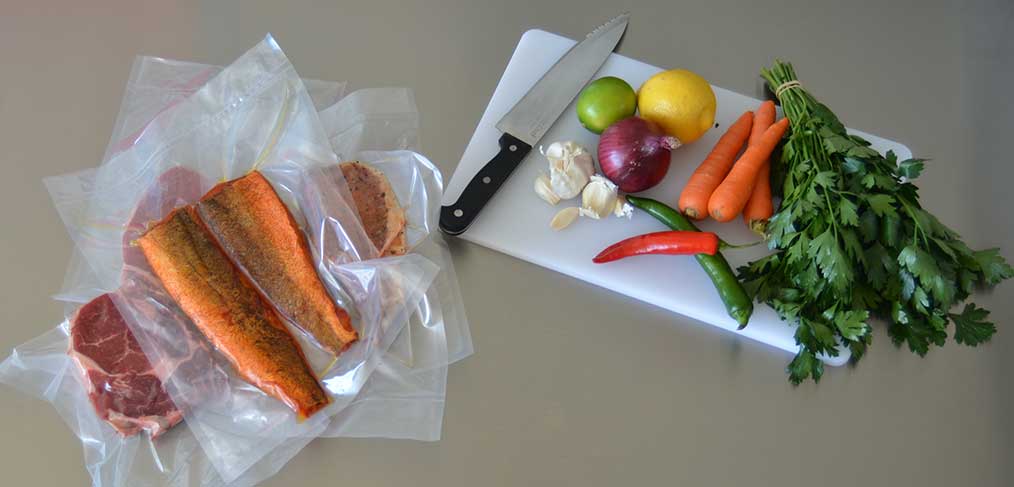
Across the food industry, businesses are becoming far more intentional about how they store ingredients and manage inventory. From independent restaurants to large-scale catering operations, reducing spoilage has become a key priority as companies look for ways to improve efficiency and cut unnecessary costs. Modern preservation methods such as vacuum sealing food are helping businesses maintain ingredient freshness for longer periods while supporting better organisation and more sustainable kitchen practices.
Rising Food Costs Are Driving Smarter Storage Decisions
One of the primary reasons businesses are focusing more heavily on waste reduction is the steady increase in food costs. Ingredients represent a major operating expense for restaurants and commercial kitchens, and spoiled inventory directly affects profitability.
When fresh produce, meats, dairy products, or prepared meals expire before use, businesses lose both money and valuable resources. Modern food operations are now investing in improved preservation systems that help maximise the usability of every ingredient purchased.
Longer-lasting storage methods allow businesses to buy more strategically while reducing the financial impact of wasted stock.
Food Waste Has Become a Sustainability Concern
Environmental awareness is also reshaping how food businesses approach storage management. Food waste contributes significantly to landfill volume and greenhouse gas emissions, making waste reduction an important sustainability goal for many companies.
Consumers are increasingly paying attention to environmentally responsible business practices, especially within the hospitality industry. Businesses that actively reduce waste often strengthen their public image while supporting broader sustainability initiatives.
This growing environmental focus has encouraged food operators to adopt preservation techniques that extend freshness and reduce unnecessary disposal.
Better Preservation Supports Inventory Control
Efficient inventory management depends heavily on reliable food storage systems. Commercial kitchens handle large quantities of ingredients daily, and poor preservation methods can quickly lead to spoilage and inconsistent stock levels.
Vacuum sealing helps businesses organise and store products more effectively by reducing air exposure and slowing bacterial growth. This allows kitchens to maintain fresher inventory over longer periods without compromising food quality.
Improved storage also supports more accurate stock rotation practices, helping staff use older products before newer deliveries.
Bulk Purchasing Is More Practical With Advanced Storage
Many food businesses purchase ingredients in bulk to reduce supply costs and simplify ordering processes. However, bulk buying only works efficiently when products can be preserved properly for extended use.
Advanced storage methods make it easier to portion, freeze, and organise ingredients while maintaining freshness. This flexibility allows businesses to take advantage of supplier discounts and seasonal purchasing opportunities without increasing waste risks.
Better long-term storage has become especially valuable for businesses managing fluctuating customer demand or high-volume service periods.
Consistency Matters in Customer Experience
Customers expect food businesses to deliver consistent quality every time they visit. Storage conditions play a major role in preserving flavour, texture, and appearance across different service days.
Ingredients that remain fresher for longer help chefs maintain preparation standards and reduce inconsistencies caused by deteriorating products. Proper preservation also minimises emergency ingredient shortages that can disrupt menus and service operations.
Reliable storage systems contribute directly to smoother kitchen performance and stronger customer satisfaction.
For high-end establishments where precision is paramount, maintaining this level of consistency often involves looking at how the world’s most renowned kitchens manage their ingredient flow. Even outside of commercial storage settings, fine dining venues prioritize ingredient integrity to ensure that every dish meets exact standards. Those interested in how top-tier culinary environments maintain these rigorous benchmarks can see details regarding the preparation and sourcing methods used in world-class dining rooms. By focusing on the relationship between ingredient quality and final presentation, businesses can better understand how refined storage practices support an elevated customer experience.
Technology Is Improving Food Preservation
The food industry has seen significant advancements in storage technology over recent years. Smart refrigeration systems, digital inventory tracking, automated temperature monitoring, and advanced sealing equipment are helping businesses reduce waste more effectively.
Some commercial kitchens now use software systems that monitor expiration dates and alert staff when products need to be rotated or used quickly. These technologies improve inventory visibility and reduce the likelihood of forgotten stock spoiling in storage.
As food operations become more technology-driven, preservation systems are evolving alongside broader kitchen management practices.
Storage Efficiency Helps Reduce Operational Stress
Busy kitchens rely heavily on organisation and preparation speed during service hours. Properly stored ingredients are easier to identify, retrieve, and portion during peak periods.
Vacuum-sealed products often require less storage space and help create cleaner, more organised refrigeration systems. This improved organisation supports faster workflows and reduces confusion during high-pressure service times.
Efficient storage not only reduces waste but also contributes to smoother day-to-day kitchen operations.
Health and Safety Standards Remain a Priority
Food businesses must meet strict hygiene and safety regulations when storing ingredients. Improper storage can increase contamination risks, shorten shelf life, and create compliance issues.
Modern preservation methods help maintain cleaner storage environments by limiting exposure to air, moisture, and external contaminants. Proper sealing also helps prevent cross-contamination between products within refrigerators and freezers.
Maintaining safe storage conditions protects both customers and business reputations while supporting overall operational reliability.
The Hospitality Industry Is Becoming More Resource-Conscious
The hospitality sector is gradually shifting toward more resource-efficient operating models. Businesses are looking beyond short-term convenience and focusing more on long-term sustainability, inventory management, and waste reduction strategies.
Smarter storage systems now play an important role in helping businesses achieve these goals without sacrificing food quality or customer experience. Preservation methods that once seemed optional are increasingly becoming standard practice across professional kitchens and food operations.
As awareness around waste management continues growing, storage innovation will likely remain a major focus for the food industry in the years ahead.
A New Approach to Food Storage
The way food businesses manage storage is evolving rapidly as operational efficiency and sustainability become more closely connected. Modern kitchens are recognising that reducing waste starts long before ingredients reach the plate.
Through better preservation methods, improved organisation, and smarter inventory management, businesses are finding new ways to extend freshness while controlling costs. As the industry continues adapting to changing consumer expectations and environmental priorities, advanced food storage practices will remain an essential part of successful food operations.
READ ALSO: Midday Meal Ideas That Keep Teams Focused and Productive
