
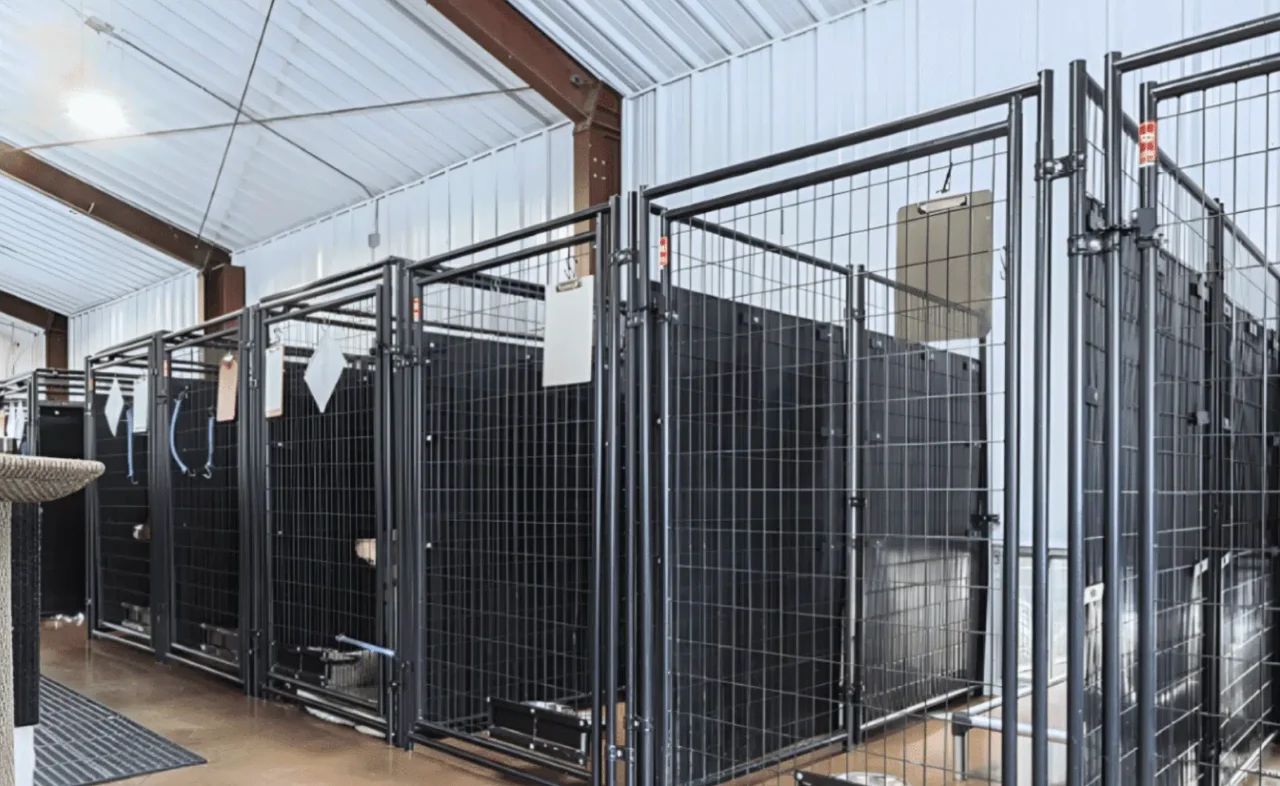
Animal shelter projects need comfort, access, and steady protection across every season. Farms in Quebec may face snow, damp air, and wide temperature shifts. Steel structures can help with clean layouts for livestock, feed, tools, and care zones. A sound plan starts with the animals, then the structure.
1. Durable Shell for Harsh Farm Weather
Cold air and heavy snow can put pressure on any farm shelter. Steel buildings Quebec can help create a strong base for animal care areas. A rigid frame aids in protecting stock, feed, and farm gear from rough weather. It also supports clear interior space for safer daily routines.
The outer shell should match local site needs. Roof slope, wall panels, seals, and door size all affect daily use. In Quebec, wind and freeze-thaw cycles make this step worth close review. A durable shell may help improve comfort while keeping upkeep simple.
2. Air Flow and Temperature Control
Fresh air is central to healthy animal spaces. Ventilation helps reduce odour, dampness, and stale air inside the structure. Fans, ridge vents, side vents, and proper door placement can aid air movement. The goal is steady comfort without sharp drafts near animals.
Comfort Starts With Air
Insulation can help with cold months and hot summer days. It may also reduce heat loss in care rooms, wash areas, and feed zones. Quebec farms with mixed livestock may need zones for different comfort levels. This feature helps with animal health and daily staff work.
3. Safe Interior Layout for Daily Care
Animal shelter space should feel simple to use. Wide aisles help staff move feed carts, bedding, and care tools with less strain. Pens, stalls, and gates should allow clear access for checks and cleanout. This aids better flow during busy farm days.
Useful layout details may include:
- Clear paths for feed and water.
- Separate areas for sick or young animals.
- Washable wall panels near care zones.
- Safe gate points for animal transfer.
4. Drainage and Clean Surface Plan
Clean floors help with odour, safety, and animal comfort. A slight floor slope can guide water toward drains or wash zones. Surface choice should support traction while still allowing easy cleanout. This may help improve hygiene after feed, wash, or care tasks.
Quebec sites with wet seasons need extra care around runoff. Exterior grade, roof drainage, and gravel pads help move water away from the structure. Inside, curbs and wash areas can reduce mess between pens. Good drainage aids in keeping daily chores less stressful.
5. Access, Storage, and Room for Growth
Animal care rarely stops at pens and stalls. Feed, tools, vet supplies, and equipment all need practical space near the main area. A steel frame can support wide doors, tall clearances, and open bays. This helps keep care tasks, supply access, and equipment movement in one practical zone.
On Quebec farm sites, steel buildings in Quebec may support later changes such as new pens, extra feed rooms, or added wash areas. A clear plan can leave room at one end for an add-on later. Door placement and service lines should suit that future step. This helps the site stay useful as farm needs shift.
Good animal housing depends on small choices that work together. Start with a strong shell. Add fresh air, safe paths, clean floors, and smart storage. For Quebec farms, these features can help create a steady, practical shelter that supports animals and daily care.

Sarah Wilson is a versatile writer who covers a wide range of topics, with a strong specialty in entertainment. She delivers engaging, insightful content focused on movies, celebrities, trends, and pop culture.