
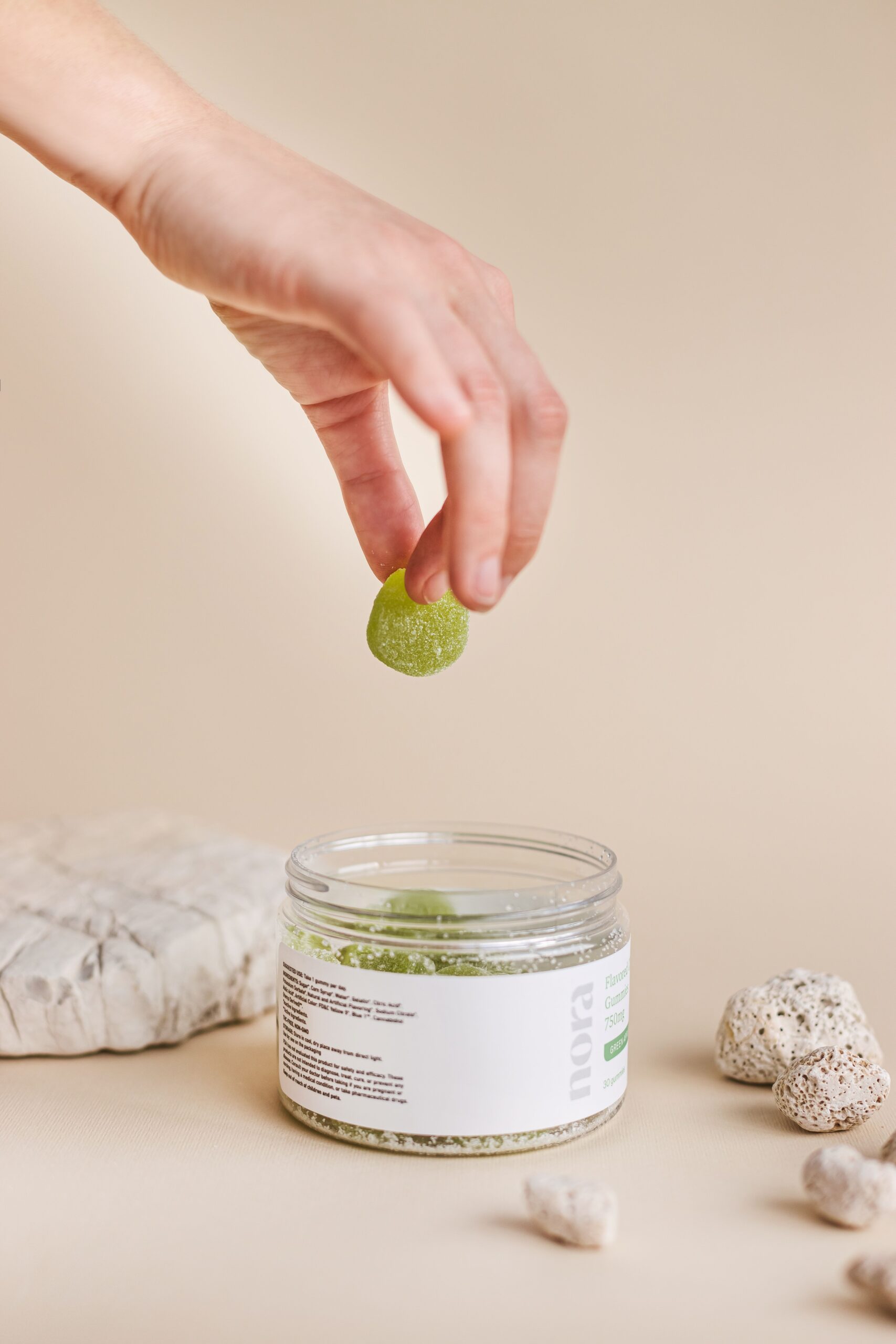
Walk into any supplement aisle or browse any major supplement site and you will find sea moss gummies at a wide range of price points – from budget options that seem almost too affordable to premium organic sea moss gummies that cost noticeably more per serving. The natural question is whether that premium is justified or whether you are paying for a label claim that does not translate to meaningfully better nutrition. The answer, when you follow the evidence on sourcing, growing conditions, and purity, generally supports paying more – but with important nuance about what the term ‘organic’ actually means in this context.
This guide breaks down the genuine value in premium sea moss sourcing, where the quality differences actually show up in the final product, and where some premium claims are more marketing than substance.
What Organic Means for a Marine Crop
The USDA certified organic program was designed primarily for terrestrial agriculture – for crops grown in soil that can be tested for pesticide residues and managed under defined organic practices. Sea moss presents a more complex picture. As a marine crop – either wild-harvested from the ocean or grown in ocean-based or controlled aquaculture systems – sea moss does not fit neatly into standard organic certification frameworks.
Wild-harvested sea moss from clean, uncontaminated ocean water is often naturally free of synthetic pesticide residues (since pesticides are not applied to open ocean waters), but the broader water quality around the harvest site matters enormously. Sea moss is a bioaccumulating organism – meaning it absorbs compounds from its growing environment, including both beneficial minerals and potentially harmful ones like heavy metals, microplastics, and industrial pollutants.
Farm-raised sea moss grown in controlled aquaculture environments can more reliably be managed to exclude contaminants, and some of these operations do pursue third-party certifications. In this context, the value of an ‘organic’ or ‘certified clean’ claim is not primarily about pesticide avoidance (as it would be with a land crop) but about verifiable water quality and contaminant control.
Where Premium Sourcing Makes a Real Difference
The most meaningful quality difference between premium and conventional sea moss products typically shows up in three areas: water quality at the harvest site, the species of sea moss used, and post-harvest handling and processing methods.
Water quality is critical because sea moss absorbs the mineral and chemical composition of the water it grows in. Sea moss harvested from clean, mineral-rich Atlantic waters (particularly around Ireland, the Caribbean, and parts of Canada) tends to carry a richer, more complete mineral profile than sea moss from heavily industrialized coastal waters or inland aquaculture systems that use artificial mineral supplementation. The best-sourced sea moss products name their harvest region specifically and provide water quality documentation.
Species matters too. Chondrus crispus – genuine Irish moss – is the most researched species and is associated with the strongest nutritional profile. Other species marketed as ‘sea moss,’ including Eucheuma cottonii and Gracilaria, are different algae with somewhat different nutritional compositions. Brands that specify species and explain why they chose it demonstrate the kind of ingredient knowledge that correlates with overall product quality.
The Contamination Question
The cleanliness argument for premium sea moss products is more compelling than the nutrient content argument for most consumers. Conventionally sourced sea moss from lower-quality coastal environments can contain elevated levels of heavy metals (cadmium, lead, arsenic), microplastics, and other environmental contaminants that bioaccumulate in marine algae. These contaminants are not visible, do not affect flavor, and may not be disclosed on labels – but they can represent a real health concern with daily long-term use.
Premium sourcing from certified clean waters and third-party testing for contaminants is the only reliable way to ensure you are not accumulating these compounds in your body over months of supplementation. This is a place where the premium genuinely earns its cost from a safety perspective – not just a nutritional quality perspective. A product that is somewhat lower in minerals but demonstrably free of heavy metals and microplastics is the safer and ultimately better choice.
Processing and Extraction Methods
After harvest, the method by which sea moss is processed into an extract for use in gummies affects the quality of the final product. Low-temperature extraction methods preserve more of the heat-sensitive vitamins and delicate polysaccharides in sea moss. Aggressive high-temperature industrial processing is faster and cheaper but degrades some of the nutritional content.
Premium sea moss gummies typically specify their extraction approach, often using language like ‘cold-processed’ or ‘low-temperature extraction.’ Budget products generally do not discuss processing methods, which is itself informative – brands with superior processing methods typically highlight them as a differentiator. If processing information is absent from a brand’s communication, assume standard industrial methods were used.
The Carrier Formula: Organic or Not
In the context of sea moss gummies, the word ‘organic’ may also refer to the other ingredients in the gummy formula. An organic-positioned product should ideally use organic sweeteners, organic natural flavors, and clean carrier ingredients across the board. This is the dimension where the ‘organic’ claim most resembles its conventional agricultural context, and where third-party certifications like USDA Organic (applied to the overall product formula, not just the sea moss itself) have the most meaning.
Look for gummy formulas that list organic cane sugar, organic tapioca syrup, or similar organic alternatives to conventional sweeteners, alongside natural fruit-based flavoring rather than synthetic flavors and dyes. A product making an organic claim backed by clean, certified carrier ingredients is more credible than one where only the sea moss itself is ‘organic’ while the rest of the formula is conventional or synthetic.
The Honest Cost-Benefit Assessment
Premium sea moss gummies from clean, well-documented sources do offer genuine advantages over the cheapest alternatives on the market – primarily in contaminant control, species specificity, and processing quality. These are real differences with real implications for safety and nutritional value. For a supplement you are taking daily with the intention of supporting long-term health, these factors justify paying more.
However, not every product carrying a premium price or an ‘organic’ positioning actually delivers on that promise. The key is to look beyond the label claim to the supporting evidence: specific sourcing region, species disclosure, third-party testing for both potency and contaminants, and clean carrier formula. A product that checks these boxes is worth its premium. A product that has an attractive label and a high price without the supporting documentation is not.
Frequently Asked Questions
Is wild-harvested sea moss better than farm-raised?
Wild-harvested sea moss from clean, mineral-rich ocean environments tends to have a richer natural mineral profile, since the plant absorbs minerals directly from diverse ocean water. Farm-raised sea moss has more controllable contamination risk since the growing environment can be managed. The best products combine quality sourcing (whether wild or farmed) with third-party testing to verify both nutritional content and contaminant absence.
How do I know if my sea moss gummies are actually organic?
Look for specific third-party certifications on the label and supporting documentation on the brand’s website. Organic claims without verifiable certification should be viewed skeptically. For sea moss specifically, the more meaningful quality indicators are harvest region, species disclosure, and contaminant testing results, since organic certification frameworks for marine crops are less standardized than for land crops.
Can sea moss gummies contain heavy metals?
Yes – without proper sourcing controls and testing, sea moss products can contain elevated levels of heavy metals like cadmium, lead, and arsenic, since sea moss bioaccumulates compounds from its growing environment. Third-party testing showing these contaminants below safety thresholds is a critical quality indicator. Always purchase from brands that publish their testing results.
Is Chondrus crispus better than other sea moss species?
Chondrus crispus (genuine Irish moss) is the most extensively researched sea moss species and is associated with the traditional nutritional benefits ascribed to sea moss. Other species like Eucheuma cottonii are legitimate algae with nutritional value but have a different compound profile. For consumers who want their product to align with the research literature, Chondrus crispus is the species most clearly connected to the documented benefits
Are expensive sea moss gummies always better quality?
Not necessarily – price is a rough quality signal in this category but is not a guarantee. A higher-priced product from a brand that publishes transparent sourcing information and third-party testing is likely worth the premium. A higher-priced product with attractive packaging but no verifiable quality information is not. Always evaluate the supporting evidence rather than the price alone.
For those who want the genuine nutritional value of premium sea moss in a daily format that is both clean and convenient, Dialed Moods offers sea moss gummies built around the sourcing standards, testing rigor, and clean formulation that make the investment in better-quality sea moss genuinely worthwhile.
