
Key Takeaways
- Dental implants deliver a long-lasting, highly durable solution for missing teeth with long-term success rates exceeding 95 percent.
- Implants prevent jawbone deterioration, help maintain bone density, and preserve natural facial structure.
- They provide superior stability and comfort, functioning and appearing like natural teeth.
- Consistent oral hygiene and dental visits are vital for maximizing implant lifespan.
Introduction
Losing one or more teeth can have a significant effect on daily well-being, from changing eating habits to lowering self-confidence and impacting social interactions. Thankfully, advancements in dental technology have paved the way for highly effective solutions. Modern dental implants now offer patients a way to restore lost teeth with outcomes that look, feel, and work just like the real thing. For individuals considering tooth replacement, connecting with a reputable prosthodontist is a proactive step for a healthier, more comfortable future. Dental implants offer benefits beyond appearance, enhancing overall oral health and significantly improving quality of life.
Built on decades of research and clinical studies, dental implants excel in durability and performance compared to traditional options such as bridges or dentures. Their adoption has become widespread among dental professionals and patients alike due to their unparalleled ability to mimic natural tooth structure, support healthy bone tissue, and remain stable for many years. Implants offer a transformative solution, reducing the inconvenience and discomfort often associated with removable prosthetics. Their integration with the jawbone results in a prosthesis that delivers superior chewing efficiency and eliminates the worry of slipping or irritation. Long-term, dental implants provide confidence, convenience, and robust oral health support not easily matched by alternative tooth replacement methods. Beyond restoring aesthetics and comfort, dental implants also play a significant medical role by protecting remaining teeth and reducing the health risks associated with missing teeth. Patients who choose implants can look forward to greater nutrition, more reliable oral function, and a renewed sense of self-assurance.
Exceptional Durability and Longevity
One of the greatest advantages of dental implants is their exceptional lifespan. Clinical research has consistently shown that dental implants, when properly maintained, can last for several decades or even a lifetime. According to a comprehensive study conducted at the University of Gothenburg, some implants have remained functional after more than forty years in the mouth. This makes them an outstanding choice for anyone seeking a permanent solution, especially compared to bridges or dentures, which often require replacement or adjustments every 5 to 10 years.
Preservation of Jawbone Health
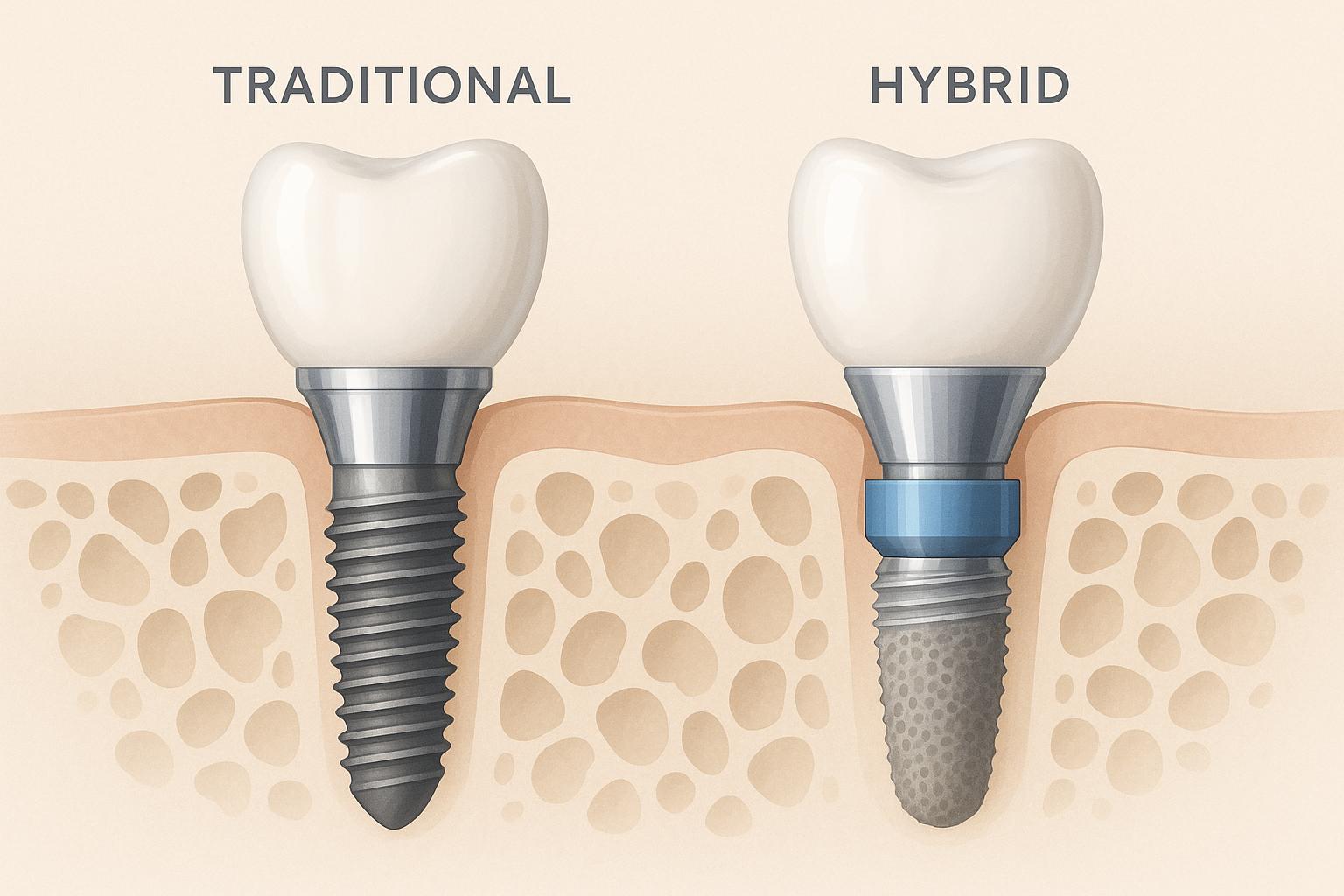
Dental implants are unique among restorative options because they actively protect jawbone health. After a tooth extraction, the underlying jawbone can begin to lose density due to a lack of stimulation. Unlike dentures and bridges, which rest atop the gums or adjacent teeth without integrating into the bone, implants replace the tooth root and deliver the stimulation needed to preserve healthy bone tissue. This benefit is critical not only for preventing bone loss and maintaining a youthful facial contour but also for supporting long-term oral health and minimizing the risk of further tooth loss.
Enhanced Stability and Comfort
The structural integration of dental implants into the jawbone creates unmatched stability for replacement teeth. Unlike traditional dentures, which may slip, shift, or rub against the gums, implants remain securely anchored in place. This allows patients to eat, speak, and interact with confidence, regardless of the food they are enjoying or the activity at hand. The irritation, insecurity, and ongoing maintenance associated with dentures are eliminated, replaced by a solution that feels nearly indistinguishable from the individual’s original teeth.
Improved Oral Functionality
Implants are engineered for function. Patients regain full chewing capacity and can again enjoy a wide variety of foods that uncomfortable or weak prosthetics might otherwise limit. As implants do not rely on support from neighboring teeth, healthy adjacent teeth remain untouched and unaltered, which helps maintain the integrity of the overall dental arch. This functional restoration is not only important for daily eating and speaking but also contributes directly to better overall health and nutrition.
High Success Rates
Thanks to innovations in technique and material, modern dental implants now boast clinically documented success rates of 95 to 98 percent across many years. Survival rates remain high regardless of implant position or patient age when oral hygiene and follow-up care are prioritized. These remarkable numbers highlight the reliability of implants as a preferred long-term tooth replacement.
Easy Maintenance
Dental implants do not require complicated care routines or specialized cleaning products. Standard brushing and flossing, along with routine dental visits, are generally sufficient to preserve implant health. This simplicity stands in contrast to dentures, which often require periodic removals, soaking, and adhesives, and to bridges, which require extra cleaning efforts to prevent decay at the anchor sites. Implant-supported teeth integrate seamlessly into established oral hygiene routines, making ongoing care easy and intuitive.
Cost-Effectiveness Over Time
The initial cost of dental implants may be higher than that of alternatives, but the investment tends to pay off over the years. Their longevity and minimal maintenance requirements reduce the need for ongoing repairs or replacements, which are common with less permanent options. As a result, patients enjoy durable performance and savings over the course of decades, making implants a smart long-term choice for oral health and financial planning.
Conclusion
Modern dental implants stand apart from traditional solutions, providing unmatched durability, stability, and long-term success as a permanent option for replacing missing teeth. They are designed to fuse with the jawbone, helping to preserve bone structure and prevent the deterioration that often follows tooth loss. Patients benefit from improved chewing function, clearer speech, and a more natural-looking smile that closely matches their original teeth. In addition to functional improvements, dental implants also enhance facial aesthetics and overall confidence, making daily activities more comfortable and natural. With proper care, including good oral hygiene and regular dental visits, implants require minimal maintenance while delivering consistently high success rates. For individuals seeking a dependable and lasting solution to tooth loss, dental implants offer a forward-thinking approach that supports both oral health and quality of life for many years, and in many cases, a lifetime.
